As the New Year of 2026 approaches, a beautiful tradition is experiencing a quiet resurgence. In an era dominated by instant digital messages, more people across India are rediscovering the profound emotional value of creating handmade New Year cards. This simple act of crafting a greeting by hand transcends mere creativity; it becomes a tangible expression of time, effort, and thoughtful intention that no technology can replicate.
The Emotional Power of a Handmade Gesture
In today's fast-paced world, where text messages and online greetings are the norm, taking the time to manually create a card carries immense sentimental weight. The very knowledge that someone paused their hectic routine to design a unique piece is deeply endearing. For recipients, especially elderly family members, these cards often trigger fond memories and a sense of cherished connection. Friends appreciate receiving a one-of-a-kind artifact that feels personal and special, standing out in a sea of identical digital pixels.
Your Guide to Crafting the Perfect Card at Home
The beauty of this tradition lies in its simplicity and accessibility. You do not need to invest in expensive materials. Look around your home for supplies: old chart paper, notebook sheets, or even cardboard from packaging boxes can form the base. Raid your drawers for sketch pens, crayons, watercolours, glitter, and ribbons. Old magazines are a treasure trove for colourful cutouts and letters, making the activity an excellent lesson in reuse for children.

Begin by selecting a theme that aligns with your message. For "fresh beginnings," consider motifs like sunrises, new calendars, or blooming flowers. A "gratitude" theme could use warm colours and thankful texts. For kids, fun elements like fireworks, stars, or smiling clocks are perfect. A clear theme ensures your creation is cohesive and tells a story.
Step-by-Step Creation Process
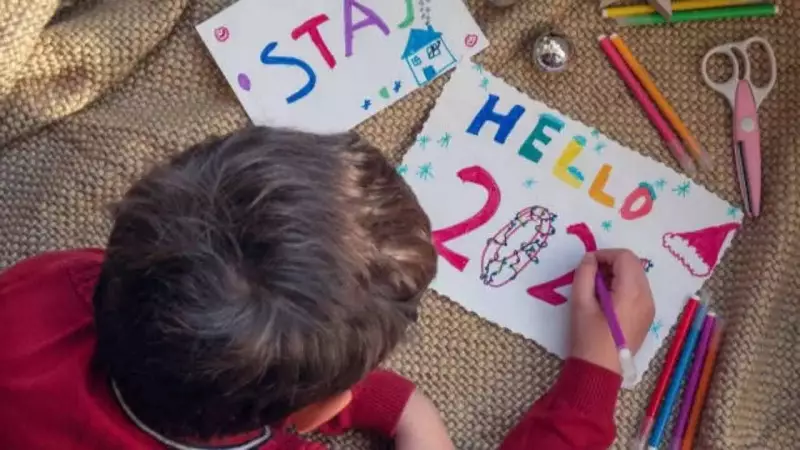
Start by neatly folding your chosen paper to form the card. The front cover creates the first impression, so decorate it with sketches or pasted images related to the New Year—think "2026," firecrackers, or celestial shapes. Inside, use a reliable pen or paint marker to compose your message. You can add light design elements around the text, but avoid overcrowding. If you've used glue or paint, allow ample time for the card to dry completely.
The heart of any greeting card is its written message. Sincerity is key. For family, express heartfelt thanks and affection. For friends, recall a shared memory or an inside joke. Simple phrases like "Thank you for being part of my year" or "To growing together in 2026" can sound profoundly genuine when written by hand. The physical effort of pen-on-paper makes the sentiment noticeably more impactful.
Making It a Family Affair and Adding Final Touches
Transforming card-making into a family activity amplifies its joy. Children love drawing, colouring, and sticking, while simultaneously learning to articulate emotions. Parents can guide them in writing messages for grandparents and friends. The resulting cards, imbued with a child's innocent emotions, become precious souvenirs and powerful vehicles of happiness.
Never underestimate the effect of easy finishing touches. A ribbon bow, a strip of decorative washi tape, or a delicate leaf imprint can elevate the design. Writing the recipient's name in calligraphic style adds an elite feel. For close relatives, a subtle touch of perfume or a wax seal can make the card extraordinarily special. These small details require minimal effort but significantly enhance the card's overall charm and perceived value.
Ultimately, a handmade New Year greeting card is far more than paper and ink. It is a keepsake of care, effort, and pure intention. Years later, finding such a card tucked in a drawer can instantly transport someone back to a moment of connection. As we welcome 2026, this revived tradition reminds us that the most meaningful celebrations are built on genuine human bonds, thoughtfully nurtured.