The beauty of Himachali cuisine lies in its contrasts — simple yet complex, rustic yet refined, rich yet humble. The food is deeply rooted in seasonality, and every season brings its own ingredients, flavours, and traditions to the table. Shaped by a diverse geography that ranges from valleys and dense forests to barren high-altitude deserts, Himachal’s food reflects the character of its land.
A Shift in Culinary Recognition
A decade ago, travelling to Himachal with the hope of experiencing authentic local cuisine often led to disappointment. Restaurants were dominated by Punjabi fare and fast food, while ‘pahadon wali Maggi’ and chai had become a staple. Until the early 2000s, as tourism flourished, visitors to Himachal only caught occasional glimpses of regional dishes.
The shift began around 2010, gained momentum by 2015, and accelerated after the pandemic. Himachali cuisine finally found its voice and a wider audience. Yet even today, there remains a need to understand what this cuisine truly represents.

Beyond Iconic Dishes
Dham, the ceremonial feast, is widely known, and siddu has become the flag-bearer of the state’s culinary identity, but Himachali food extends far beyond these iconic dishes. To appreciate it fully, one must look beyond the plate and into the landscape itself. Himachal’s geography, climate, and agricultural traditions shape everything people eat.
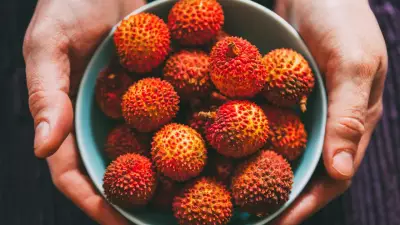
The state produces some of India’s finest fruits, dry fruits, grains, dairy, and seasonal produce. Kinnaur is the only region in India where pine nuts grow, while walnuts, almonds, pecans and wild berries flourish across the upper Himalayas. Its apples are among the finest in the world, while plums, apricots, cherries, and peaches arrive in abundance every summer. Even the lesser-celebrated mangoes of Kangra contribute to its exceptional aam papad and amchur, prized for their distinctive tang.
Grains and Dairy
The region is equally rich in grains and millets. Buckwheat, maize, wheat, and rice form the backbone of local diets, while dairy remains an essential part of everyday cooking. Himachal also produces excellent ghee, butter, and milk, all of which play an important role in traditional recipes.
Cultural and Regional Diversity
The state’s bounty is cultural as well. Every ingredient tells the story of a land where geography and tradition come together to create enduring flavours. The cuisine embraces a remarkable range of cooking techniques, including steaming, frying, roasting, griddle cooking, tandoor preparation, and open-fire cooking.
Food habits vary dramatically. In the high-altitudes of Lahaul-Spiti and Kinnaur, meals are simpler, with steamed dishes, minimal spices, and a stronger presence of meat. In the warmer valleys of Kangra, Bilaspur, and Mandi, fried foods, fermented preparations, and tangy flavours are more common. Across the state, grains, millets, rice, and maize are transformed into countless dishes that reflect local traditions and seasonal availability.
Seasonal and Foraged Foods
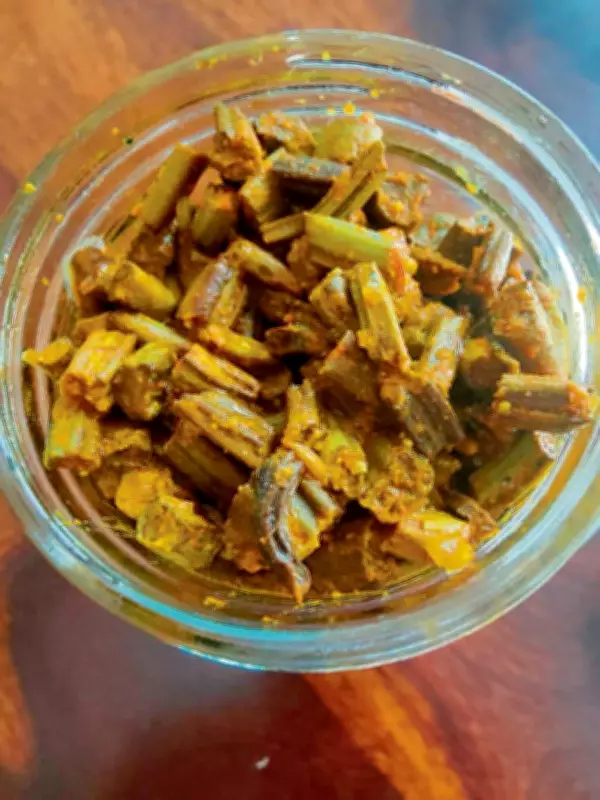
Summer brings foraged greens and wild vegetables. Among them, fiddlehead fern, locally known as lingdi, remains a favourite. It is cooked dry, simmered in curd-based gravies, or preserved as a pickle, lending a distinctive umami flavour to meals. Small village shops are often stocked with locally made chutneys, pickles, jams, marmalades and fruit squashes prepared by women entrepreneurs and self-help groups, offering visitors an authentic taste of the region.
Iconic Dishes: Siddu and Dham
No discussion of Himachali food is complete without mentioning siddu. This steamed bread, served generously with ghee and chutney, is available across Kullu, Manali, and Shimla. It comes with both sweet and savoury fillings. Equally significant is dham, the ceremonial feast prepared at weddings, for festivals, and community gatherings. It represents collective identity, hospitality, and culinary knowledge passed down through generations.

Unlike other celebrated regional cuisines that evolved through commercial spaces, Himachali food has largely remained within homes and community spaces. This relative isolation helped preserve many traditional recipes. Preservation techniques such as drying vegetables, fruits, and meat enabled communities to endure harsh winters and difficult terrain while retaining valuable ingredients throughout the year.
Modern Revival and Exploration
Today, growing interest in regional Indian cuisines has brought renewed attention to Himachali dishes such as madra, babru, chha meat, bhaturu, siddu and millet-based specialties. Yet, Himachali cuisine is much more than a handful of famous dishes — a collection of micro-cuisines shaped by mountains, trade routes, migration, climate, caste traditions, and local communities. Kangra differs from Kullu, Chamba from Mandi, and Kinnaur from Lahaul-Spiti, each region offering its own unique culinary identity.
And let’s be honest, nobody goes to Himachal only for the views. We go for the food as well. Beyond the famous dishes, there are hearty mutton preparations, river trout, breads of every kind, and traditional sweets found in old halwai shops. Dham, once reserved for ceremonies, can now be enjoyed in restaurants, while local pickles, jams, dry fruits, and fruit wines are available all across. The true joy of Himachali food lies in wandering through markets, villages, and roadside stalls, discovering flavours in places without grand signs or famous names.
— The writer is a chef, researcher. Follow PahadiPattal on Instagram
Recipes from Himachal
Fiddlehead Pickle (Lingdi ka Achaar)
Ingredients:
- Fiddlehead fern (Lingdi) 500 g
- Salt 1.5 tsp
- Fenugreek (methi) powder 2 tbsp
- Fennel seed (saunf) powder 1 tbsp
- Yellow mustard (sarson) seeds (coarsely ground) 2 tbsp
- Asafoetida (heeng) 2-3 pinches
- Turmeric powder 1 tsp
- Carom seeds (ajwain) 1/2 tsp
- Red chilli powder 1 tsp
- Galgal/Hilly lime 3 tbsp
- Mustard oil 1/4 cup
Instructions:
- Wash lingdi thoroughly and cut into small pieces. Boil in water for 3-4 minutes. Drain and spread on a muslin cloth to dry for 2 hours.
- Heat mustard oil until it smokes lightly to remove its raw smell. Let it cool.
- In a large bowl, combine the dried lingdi pieces with salt, fenugreek powder, fennel seed powder, mustard seeds, asafoetida, turmeric, carom seeds and red chilli powder. Add lime or galgal juice to the dry spice mix.
- Pour cooled mustard oil over the mixture and coat lingdi/fiddlehead fern pieces with it.
- Transfer the pickle to an airtight glass jar. Keep in sunlight for 3-4 days. It is ready to eat immediately, but flavours deepen after a few days.
- Stays fresh for 1 month at room temperature or 3-4 months when refrigerated. Always use dry and clean spoon.
Chha Meat (Himachali Mutton Curry)
Ingredients:
- Mutton (bone-in pieces) 500 g
- Buttermilk (chha or chhach) 2 cups
- Onions, finely sliced 2
- Ginger-garlic paste 1 tbsp
- Green chillies, slit 2
- Turmeric powder 1 tsp
- Red chili powder 1 tsp
- Coriander powder 1 tsp
- Garam masala 1/2 tsp
- Mustard oil 2 tbsp
- Chickpea flour (besan) 1 tsp
- Salt To taste
- Fresh coriander leaves For garnish
Instructions:
- Wash and clean the mutton pieces. Marinate lightly with salt and turmeric for 15 minutes.
- Heat mustard oil until it smokes, cool slightly, then add sliced onions. Fry until golden brown.
- Stir in ginger-garlic paste, green chillies, red chilli powder, and coriander powder. Cook until aromatic.
- Add marinated mutton pieces. Sear until browned and coated with spices and cook for 20-25 mins on medium-low flame.
- Lower the heat and add buttermilk gradually, stirring continuously to prevent curdling. You can also add 1 tsp of chickpea flour to the buttermilk to prevent curdling.
- Cover and cook on low flame for 40-45 minutes or until the meat is tender and gravy thickens.
- Add garam masala. Garnish with fresh coriander before serving.