Holi 2026: A Vibrant Celebration of Colors and Tradition
Holi stands as one of the most significant and auspicious Hindu festivals, celebrated with immense enthusiasm and fervor throughout India and beyond. Known universally as the Festival of Colors, this joyous occasion brings people together in a vibrant display of unity and happiness.
Holi 2026 Date and Timings
This year, Holi will be observed on Phalguna Purnima, which falls on March 4, 2026. The festivities commence with Holika Dahan, scheduled for March 3, 2026, immediately following the eclipse. The specific timings for the rituals are as follows:
- Holika Dahan Muhurta: 06:22 PM to 08:50 PM
- Bhadra Punchha: 01:25 AM to 02:35 AM
- Bhadra Mukha: 02:35 AM to 04:30 AM
The Purnima Tithi begins at 05:55 PM on March 2, 2026, and concludes at 05:07 PM on March 3, 2026, setting the stage for the main celebrations.

Significance and Religious Importance
Holi holds profound religious significance for Hindus worldwide, symbolizing the eternal triumph of good over evil. The festival is deeply rooted in mythology, commemorating the divine protection of Prahlad by Lord Vishnu, which led to the burning of the demoness Holika. This story is reenacted during Holika Dahan, where bonfires are lit to signify the destruction of negativity and the victory of righteousness.
Additionally, Holi celebrates the playful and loving relationship between Lord Krishna and Radha. According to legend, young Krishna, conscious of his dark skin compared to Radha's fair complexion, was encouraged by his mother Yashoda to color Radha's face. This act gave rise to the tradition of applying colors, making the festival a symbol of love, harmony, and new beginnings.
How Holi is Celebrated
The celebrations unfold in two main phases:
- Holika Dahan: On the eve of Holi, communities gather around bonfires to perform rituals that honor the story of Prahlad and Holika. This event marks the symbolic burning of evil and the protection of devotion, fostering a sense of spiritual renewal.
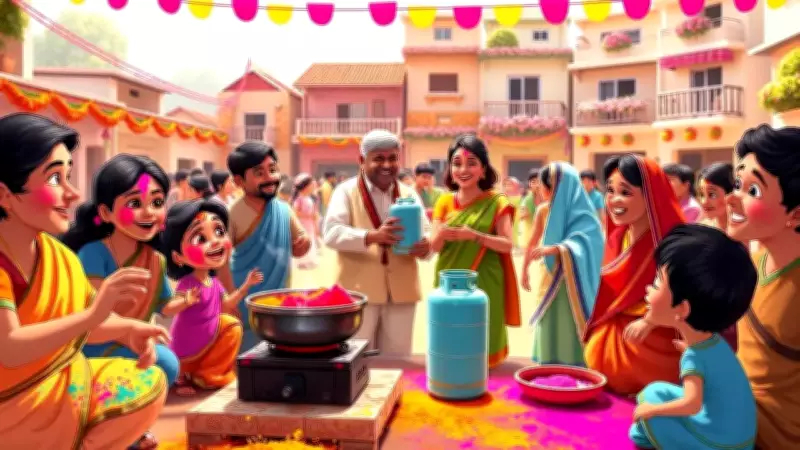
- Rangwali Holi or Dhulandi: The following day, known as Rangwali Holi, is filled with exuberant activities. People joyfully play with gulal (colored powders) and water, engaging in spirited singing and dancing. The colors represent celebration, happiness, and the spreading of joy, creating an atmosphere of unity and festivity.
Holi transcends geographical boundaries, with Hindu communities across the globe participating in these traditions. Even those living outside India embrace the festival with great enthusiasm, using it as an opportunity to connect with their cultural heritage and spread positivity.
A Festival of Unity and Joy
More than just a religious event, Holi is a cultural phenomenon that emphasizes spreading happiness, fostering harmony, and embracing new beginnings. It brings families and friends together, strengthening bonds through shared experiences of color, music, and dance. The festival's universal appeal lies in its message of love and the victory of good, making it a cherished occasion for millions around the world.