Holika Dahan 2026: Understanding the Sacred Parikrama Ritual
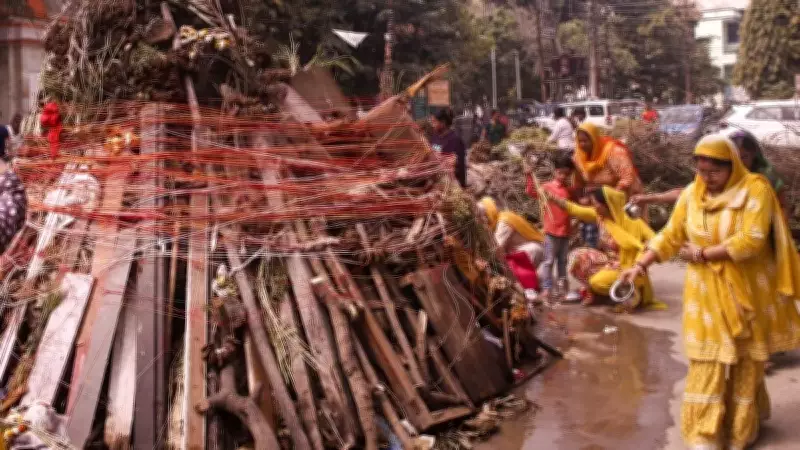
The festival of Holi, celebrated with vibrant colors and joyous festivities, is preceded by the solemn and spiritually significant ritual of Holika Dahan. In 2026, this sacred observance falls on a date that holds deep meaning for millions of devotees across India and the Hindu diaspora worldwide. At the heart of Holika Dahan lies the ancient practice of Parikrama, or circumambulation, around the holy bonfire. This ritual is not merely a tradition but a profound spiritual act imbued with symbolism and divine purpose.
The Core Significance of Parikrama in Holika Dahan
Parikrama during Holika Dahan symbolizes the devotee's journey towards purification, protection, and spiritual enlightenment. The bonfire, representing the victory of good over evil as depicted in the legend of Prahlad and Holika, serves as a focal point for this transformative practice. By performing Parikrama, individuals seek to absorb the positive energies emitted by the sacred flames, which are believed to ward off negativity, burn away past sins, and invoke divine blessings for prosperity and well-being. The act of circling the fire is a physical manifestation of one's commitment to walking the path of righteousness and truth, aligning with cosmic principles of dharma.
Detailed Rules and Guidelines for Performing Parikrama
To ensure the ritual is conducted with utmost reverence and efficacy, specific rules and guidelines must be followed. Traditionally, Parikrama is performed in a clockwise direction, starting from the east, as this aligns with the movement of the sun and is considered auspicious in Hindu cosmology. Devotees are advised to maintain a calm and focused mindset, often chanting mantras or prayers dedicated to Lord Vishnu or other deities associated with the festival. It is customary to offer items such as grains, coconut, or flowers into the fire during the circumambulation, symbolizing the surrender of one's ego and material attachments to the divine.

The Spiritual Meaning Behind 1, 3, and 7 Rounds of Parikrama
The number of rounds performed during Parikrama holds distinct spiritual significance, each offering unique benefits and intentions.
- One Round (1 Parikrama): Performing a single round is often associated with seeking basic protection and purification. It symbolizes a simple yet sincere appeal to the divine for safeguarding against evil forces and negative influences. This round is ideal for those new to the ritual or with time constraints, emphasizing devotion over complexity.
- Three Rounds (3 Parikrama): Three rounds are deeply rooted in Hindu philosophy, representing the trinity of Brahma (the creator), Vishnu (the preserver), and Shiva (the destroyer). This practice aims to balance the three gunas—sattva (purity), rajas (activity), and tamas (inertia)—within oneself. It is believed to foster harmony, dispel ignorance, and attract divine grace for overall life stability.
- Seven Rounds (7 Parikrama): Seven rounds are considered the most potent and spiritually advanced form of Parikrama. This number corresponds to the seven chakras (energy centers) in the body, the seven days of the week, and the seven realms of existence in Hindu cosmology. Performing seven rounds is said to activate spiritual awakening, promote deep inner transformation, and align the individual with cosmic energies for ultimate liberation (moksha). It requires greater dedication and is often undertaken by seasoned practitioners or those seeking profound spiritual growth.
Preparations and Best Practices for Holika Dahan 2026
As Holika Dahan 2026 approaches, devotees are encouraged to prepare both physically and mentally for the ritual. Key preparations include:

- Cleansing the body through a bath before the ceremony to signify purity.
- Wearing traditional attire, preferably in colors like white or yellow, which symbolize peace and auspiciousness.
- Arranging the bonfire with sacred woods such as sandalwood or neem, and ensuring it is lit at an astrologically auspicious time.
- Maintaining a respectful distance from the fire to avoid accidents while performing Parikrama.
- Following local customs and community guidelines, as practices may vary regionally across India.
By adhering to these practices, participants can fully immerse themselves in the spiritual essence of Holika Dahan, making the most of this sacred opportunity for renewal and divine connection.
Conclusion: Embracing the Timeless Tradition
Holika Dahan 2026 offers a moment to reconnect with ancient spiritual traditions that emphasize the triumph of good over evil. The Parikrama ritual, with its specific rounds of 1, 3, or 7, provides a structured path for devotees to engage in meaningful worship. Whether seeking protection, balance, or enlightenment, this practice serves as a powerful reminder of the enduring values of faith, purity, and spiritual dedication in Hindu culture. As families and communities gather around the bonfire, the shared experience of Parikrama fosters unity and reinforces the timeless message of hope and righteousness that Holi embodies.