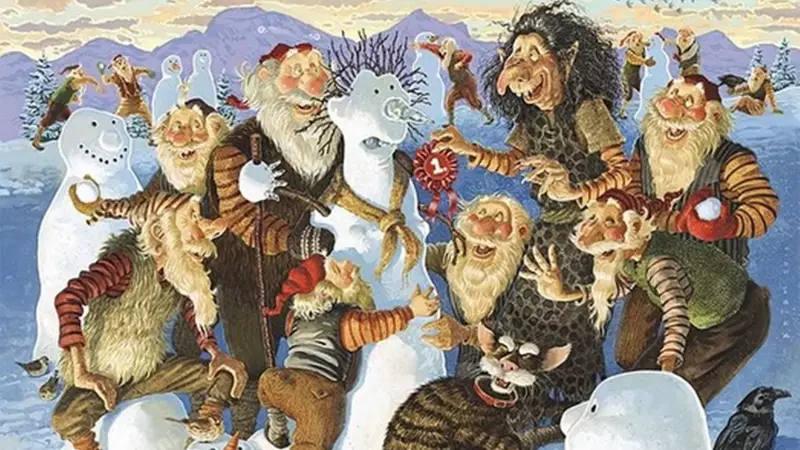
While children worldwide eagerly await a visit from a single Santa Claus, Icelandic youngsters prepare for a festive procession of not one, but thirteen magical visitors. This unique Nordic tradition, centred around the mischievous Yule Lads, adds a distinct and enchanting flavour to Christmas celebrations in Iceland.
The Origins of Iceland's 13 Christmas Figures
The fascinating lore of the Yule Lads, or Jólasveinar, was first formally documented in 1862. Author Jón Árnason, inspired by collectors like the Brothers Grimm, began compiling Icelandic folktales, capturing these characters for posterity. The tradition was further cemented decades later when Icelandic poet Jóhannes úr Kötlum published his famous poem ‘Yule Lads’ in the 1932 book Christmas is Coming. This work firmly established their names and distinct personalities.
According to the stories, these thirteen brothers are the sons of the fearsome troll Grýla. Over time, their originally sinister reputation softened, transforming them from creatures of fright into figures of playful mischief and conditional gift-giving.
Meet the Mischievous Yule Lads: A December Countdown
The Yule Lads visit children on thirteen consecutive nights leading up to Christmas Eve. Each has a peculiar name and habit, reflecting their playful nature. Icelandic children place a shoe on their windowsill each night, hoping to find a small gift left by the Lad.
The folklore promises that children who are well-behaved throughout the year receive a small gift from each of the thirteen brothers. However, there is a catch for naughty children: they might find only a raw or rotten potato in their shoe as a reminder to improve their behaviour.
Here is the procession of the Yule Lads:
- Stekkjastaur (Sheep-Cote Clod) – Arrives on 12 December. He tries to steal milk from sheep in the barn.
- Giljagaur (Gully Gawk) – Comes on 13 December. He sneaks into barns to drink cow's milk.
- Stúfur (Stubby) – Visits on 14 December. The shortest lad, he steals leftover food from frying pans.
- Þvörusleikir (Spoon Licker) – Appears on 15 December. True to his name, he licks spoons clean.
- Pottasleikir (Pot Licker) – Arrives on 16 December. He steals unwashed pots to lick them.
- Askasleikir (Bowl Licker) – Comes on 17 December. He snatches bowls from under beds to eat leftovers.
- Hurðaskellir (Door Slammer) – Visits on 18 December. He loves slamming doors, especially if left open.
- Skyrgámur (Skyr Gobbler) – Appears on 19 December. He is obsessed with skyr, the traditional Icelandic yoghurt.
- Bjúgnakrækir (Sausage Swiper) – Arrives on 20 December. He swipes and eats any sausages he finds.
- Gluggagægir (Window Peeper) – Comes on 21 December. He peeps through windows, looking for items to steal.
- Gáttaþefur (Door Sniffer) – Visits on 22 December. He has a large nose and sniffs around doorways for baked goods.
- Ketrókur (Meat Hook) – Appears on 23 December. He uses a hook to steal meat.
- Kertasníkir (Candle Beggar) – Finally arrives on 24 December. The last Lad, he is known for stealing candles.
The Fearsome Yule Cat and Lasting Cultural Impact
The Yule Lads are not the only unique element of an Icelandic Christmas. They share their home with the Yule Cat, or Jólakötturinn. This gigantic and vicious feline, said to be the pet of Grýla and her sons, prowls the snowy countryside during Christmas. According to legend, it hunts and eats anyone who did not receive new clothes to wear before Christmas Eve, adding another layer of incentive for good behaviour and festive preparation.
This rich tapestry of folklore continues to define Christmas for Icelandic families. The tradition of the thirteen Yule Lads beautifully blends gentle moral lessons with whimsical mischief, creating a Christmas experience unlike any other in the world. It highlights how cultural traditions can evolve from darker myths into beloved family customs that spark joy and anticipation in children every December.