Indian-American Community Faces Cultural Debate Over Dating and Marriage
A significant cultural conversation has erupted within the Indian-American community following a public call by a policy analyst to fundamentally rethink long-standing attitudes toward relationships, dating, and marriage. The debate centers on whether traditional mindsets are hindering young adults from forming meaningful connections in modern American society.
Policy Analyst Calls for Cultural Shift
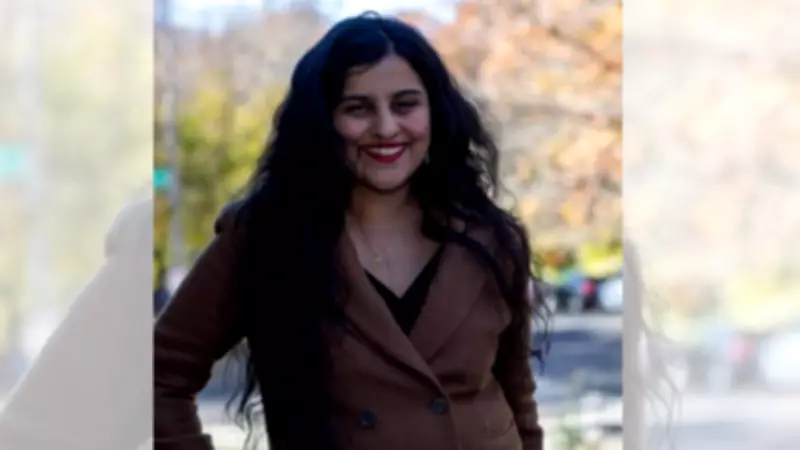
Gender expert and policy analyst Neeraja Deshpande sparked the discussion by responding to a 2024 NBC News report that documented a noticeable rise in arranged marriages among young South Asian Americans. Deshpande argued that this trend is driven not merely by dissatisfaction with dating apps but by deeper, more entrenched cultural attitudes that need urgent examination.
In a pointed post on social media platform X, Deshpande declared, "Another hot take: the Indian-American community needs to collectively throw out the stunted immigrant anti-dating mindset, and facilitate events and gatherings in which dating is socially acceptable." She emphasized that fostering more social opportunities is crucial for improving chances of finding compatible partners.

Deshpande warned, "Otherwise, parents can’t act surprised when their adult children, while professionally and even socially successful (because THAT is encouraged), are alone at 30." Her comments highlight a perceived contradiction where professional success is prioritized while romantic relationships are often discouraged or stigmatized.
The Rise of Modern Arranged Marriages
The NBC News report that prompted this discussion revealed that many young South Asian Americans are increasingly disillusioned with mainstream dating platforms like Tinder, Hinge, Bumble, OkCupid, and Coffee Meets Bagel. This frustration has led some to actively seek introductions through parents or community networks, viewing arranged marriage less as a forced union and more as a formal, structured introduction process.
Academic perspectives support this evolution. Scholars such as Harleen Singh of Brandeis University explained to NBC that contemporary arranged marriages within the diaspora frequently involve extended periods of dating—sometimes lasting months—before any formal commitment is made. This modern approach blends traditional matchmaking with contemporary dating practices.
Broader Dissatisfaction with Dating Apps
The conversation extends beyond cultural specifics to address wider discontent with digital dating platforms. According to reports from The New York Times, major dating corporations like Match Group have experienced substantial financial losses, with billions of dollars in market value evaporating in recent years. Users frequently complain about being forced to pay for essential features and describe conversations on these apps as superficial and unfulfilling.
However, Deshpande contends that the issue transcends technological shortcomings. She wrote, "There is an insane stuntedness around dating and relationships and sex and marriage among people in this community who are, ostensibly, adults, and it needs to end if we value family as much as we claim to." She advocates for a cultural reset that prioritizes the autonomy and happiness of younger generations.
Deshpande further challenged traditional family dynamics, stating, "Family isn’t just about pleasing the elders, as we often make it out to be, and if elders’ social mores and the family formation of the young are coming into conflict, the latter should always, always win out." This statement underscores a call for intergenerational understanding and adaptation.

Background on Neeraja Deshpande
Neeraja Deshpande serves as a policy analyst at Independent Women, where her work focuses extensively on education and gender-related issues. Her professional responsibilities include editing opinion pieces and contributing to grassroots journalism initiatives within the organization. Originally from Somerville, Massachusetts, Deshpande is a magna cum laude graduate of Wellesley College, holding a degree in Russian. Her diverse background includes experience teaching English, mathematics, and financial literacy at both middle and high school levels, providing her with a multifaceted perspective on social and educational matters.
This ongoing debate reflects broader tensions between preserving cultural heritage and adapting to contemporary social norms within immigrant communities. As young Indian-Americans navigate the complexities of identity, tradition, and modernity, discussions like these are likely to continue shaping the community's approach to relationships and family life for years to come.