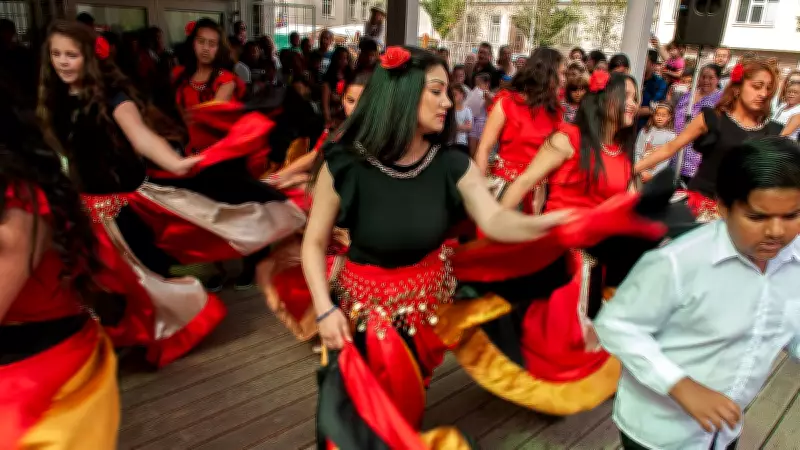
Unveiling the Indian Roots of Flamenco's Gypsy Diaspora
A single glance at the Gypsy communities, historically known by the nomenclature derived from their time in Egypt, reveals an unmistakable connection to India. This link is evident in their physical appearance, including the distinctive color of their skin, the unique bone structure of their faces, and their predominantly long, black hair. These features strongly suggest ancestral ties to the Indian subcontinent, pointing to a diaspora that has preserved its heritage across centuries and continents.
Linguistic Parallels That Bridge Continents
Beyond physical traits, the linguistic connections between Gypsy languages and Indian dialects are profound and telling. Numerous words in Gypsy vocabularies bear a striking resemblance to those in Indian languages, serving as a living testament to their origins. For instance, the word nak for nose, dant for teeth, yek for one, and trin for three are just a few examples that highlight these deep-rooted linguistic parallels. These similarities not only underscore the historical migration patterns but also enrich our understanding of how cultural elements have been transmitted and adapted over time.
The Cultural Journey to Flamenco
The Gypsy diaspora's journey from India to regions like Spain has significantly influenced global culture, most notably through the art of flamenco. This vibrant dance and music form, often associated with Gypsy communities, embodies a fusion of traditions that trace back to Indian roots. The emotional intensity, rhythmic complexity, and expressive movements in flamenco can be seen as echoes of ancient Indian performing arts, adapted through centuries of travel and interaction with other cultures.

This exploration into the Gypsy diaspora's Indian connections offers a fascinating glimpse into how human migrations shape cultural identities. By examining both physical and linguistic evidence, we gain a deeper appreciation for the enduring legacy of these communities and their contributions to arts like flamenco. As research continues, it underscores the importance of preserving and celebrating these diverse heritages in our globalized world.