India's 7 Architectural Marvels That Define Structural and Design Brilliance
India's architectural landscape presents a breathtaking journey through time, where ancient craftsmanship meets cutting-edge engineering. These seven structural marvels stand as testaments to human creativity, technological advancement, and cultural expression. Each landmark tells a unique story of vision, precision, and innovation that continues to inspire architects and visitors worldwide.
Taj Mahal: The Epitome of Symmetrical Perfection
The Taj Mahal in Agra remains one of history's most celebrated architectural achievements. Commissioned in the 17th century by Mughal Emperor Shah Jahan as a memorial for his beloved wife Mumtaz Mahal, this white marble mausoleum exemplifies flawless symmetry and ornamental harmony. Its majestic central dome, surrounded by four elegant minarets and intricate pietra dura inlay work, represents the absolute pinnacle of Indo-Islamic architectural design and artistic craftsmanship.
Lotus Temple: Modern Expression of Unity and Serenity
New Delhi's Lotus Temple stands as a contemporary architectural icon with its distinctive flower-inspired form. Designed by Iranian architect Fariborz Sahba, this structure features 27 free-standing white marble "petals" arranged in graceful clusters that create a tranquil, open interior space welcoming people of all faiths. Its expressionist design not only captures natural beauty but also emphasizes principles of unity, simplicity, and the transformative power of light within architectural spaces.

Victoria Memorial: A Majestic Fusion of Architectural Styles
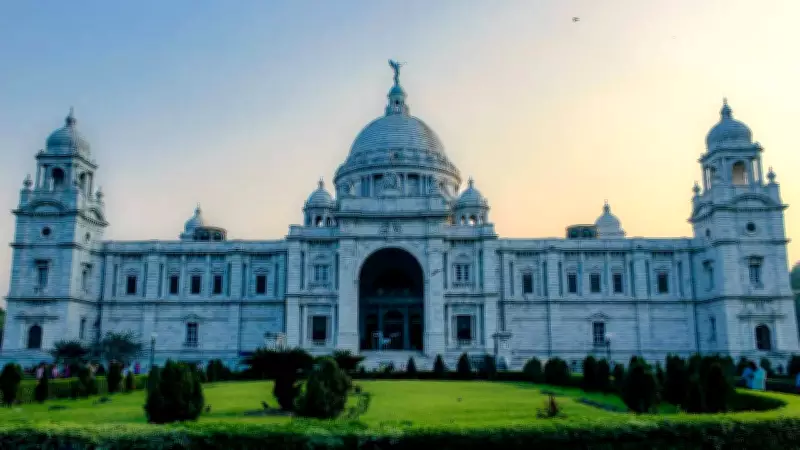
Kolkata's Victoria Memorial beautifully blends British imperial and Mughal architectural influences into a stunning Indo-Saracenic masterpiece. Constructed from gleaming white Makrana marble, this early 20th-century structure features elegant domes, colonnades, and terraces that evoke both imperial grandeur and local architectural heritage. Set amidst expansive, meticulously planned gardens, the memorial stands as a refined example of stylistic synthesis and thoughtful urban planning.
Bandra-Worli Sea Link: Engineering Marvel Transforming Urban Mobility
The Bandra-Worli Sea Link in Mumbai represents modern engineering excellence through its cable-stayed bridge design spanning 5.6 kilometers across Mahim Bay. With its towering pylons and sleek stays creating a dynamic silhouette against the Mumbai skyline, this infrastructure marvel demonstrates a perfect balance between structural efficiency and visual appeal. Beyond its functional role in reducing commute times, the bridge has become an iconic architectural landmark that symbolizes urban progress and engineering innovation.
Cybertecture Egg: Futuristic Design Meeting Sustainable Principles
Mumbai's Cybertecture Egg in the Bandra Kurla Complex showcases how modern architecture can merge bold aesthetics with environmental consciousness. This 13-story commercial building features an innovative diagrid exoskeleton supporting its distinctive oval silhouette, using significantly fewer materials than conventional designs. Its futuristic form illustrates how contemporary architecture can achieve both visual impact and ecological performance, setting new standards for sustainable commercial construction.
Auroville Dome (Matrimandir): Architectural Expression of Spiritual Harmony
The Auroville Dome, commonly known as Matrimandir, presents a unique architectural interpretation of peace and introspection. Located at the heart of the Auroville township, this golden spherical structure rises with pure geometric perfection, supported by hidden structural pylons that maintain its flawless form. Inside, a meditative chamber of white marble houses a crystal globe that captures and reflects natural light, creating a harmonious interplay of form, illumination, and spiritual space.

Pamban Bridge: Historic Engineering Solution Connecting Land and Sea
Tamil Nadu's Pamban Bridge stands as India's first sea bridge, an engineering marvel completed in 1914 that connects Pamban Island with the mainland. This railway structure features a remarkable double-leaf bascule span that could be lifted to allow ships passage, representing an ingenious engineering solution for its era. With its nearly 2.1-kilometer length and innovative movable design, the bridge served as both essential infrastructure and a lasting symbol of early 20th-century structural ingenuity.
From the timeless symmetry of the Taj Mahal to the futuristic silhouette of the Cybertecture Egg, India's architectural heritage forms a rich tapestry of human achievement. These seven structural marvels—spanning centuries, materials, and purposes—demonstrate how architecture transcends mere functionality to express cultural values, inspire reflection, and advance engineering excellence. Whether carved from marble or spanning seas, each of these remarkable works continues to draw global admiration for their technical mastery and artistic vision.