India's Ancient Tattoo Traditions: A Cultural Legacy Beyond Trends
Tattooing in India is far more than a fleeting modern trend; it is an ancient tradition with deep roots in rural communities, practiced for centuries across the country. This art form, known by various regional names such as godna in central India, reflects a rich cultural heritage that transcends mere body decoration. Although many of the rituals associated with tattooing have diminished over time, this age-old practice offers invaluable insights into India's diverse cultural tapestry and historical identity.
The Apatanis of Arunachal Pradesh
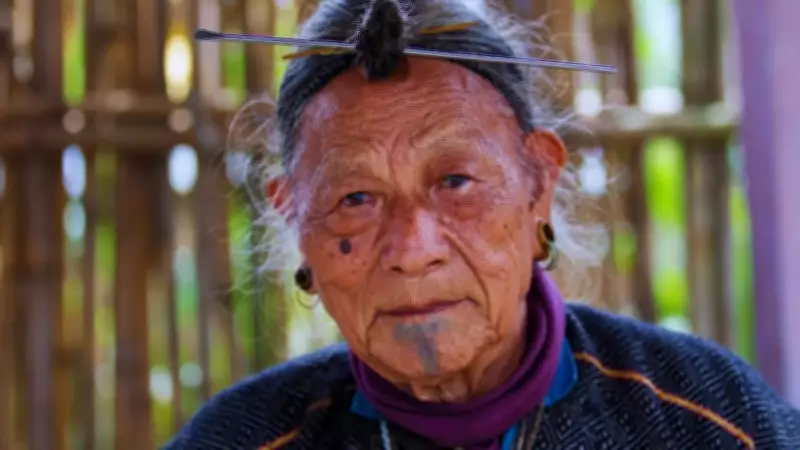
Among the most renowned tattoo traditions in India are those of the Apatani tribe in Arunachal Pradesh. Older women from this community are often seen with distinctive facial tattoos featuring vertical stripes that run from the forehead down to the chin, complemented by traditional nose plugs unique to the tribe. Elders have cited various reasons for this practice, though no single definitive cause is documented. The custom was officially discontinued in the 1970s, and today, younger generations no longer follow it, making these tattoos a rare and fading symbol of Apatani heritage.
The Baigas of Madhya Pradesh and Chhattisgarh
Tattooing serves as a key distinguishing feature of the Baiga tribes in Madhya Pradesh and Chhattisgarh. Godna, a specific form of tattooing, plays a crucial role in Baiga culture, particularly among women. Geometric patterns and intricate designs are incorporated into tattoos at different life stages, each holding significant cultural meaning. These tattoos are not just decorative but are deeply embedded in the tribe's traditions, symbolizing identity and social milestones.

The Konyaks of Nagaland
The Konyak tribe of Nagaland is one of the most visually striking tattooed communities in India. Historically, facial and body tattoos were closely tied to social status and life achievements, with markings often linked to the now-abandoned practice of headhunting. These tattoos signified accomplishments and transitions, serving as a visual record of an individual's journey. In contemporary times, the practice has largely faded due to evolving social norms, and such tattoos are primarily observed among older members, preserving a glimpse into a bygone era.
The Rabaris of Gujarat and Rajasthan
Among the Rabari tribes of Gujarat and Rajasthan, tattooing remains a vibrant cultural tradition. Women adorn their hands, arms, and necks with elaborate designs that often feature animal motifs, religious symbols, and geometric patterns. These tattoos act as a means of identification within the community and are cherished as permanent jewelry, reflecting the tribe's artistic expression and social bonds.
The Todas of Tamil Nadu
Historically, the Toda people of the Nilgiri Hills in Tamil Nadu practiced tattooing on women's bodies, using simple geometric patterns created with thorns to prick the skin. Although this custom has become exceedingly rare today, it holds significant historical importance for Toda culture, representing a traditional art form that once played a role in their societal rituals and identity.
The Gonds of Central India
The Gond community in central India incorporates tattooing as an integral part of their cultural expression. Designs are frequently inspired by nature, featuring animals and plants, which underscores the community's profound connection with the natural world. These tattoos are more than mere adornments; they are symbolic representations of the Gond's environmental harmony and cultural values.
In summary, India's ancient tattoo traditions, from the Apatanis to the Gonds, offer a window into the country's rich cultural diversity. Despite the decline of many rituals, these practices continue to teach us about heritage, identity, and the enduring legacy of tribal artistry in modern India.