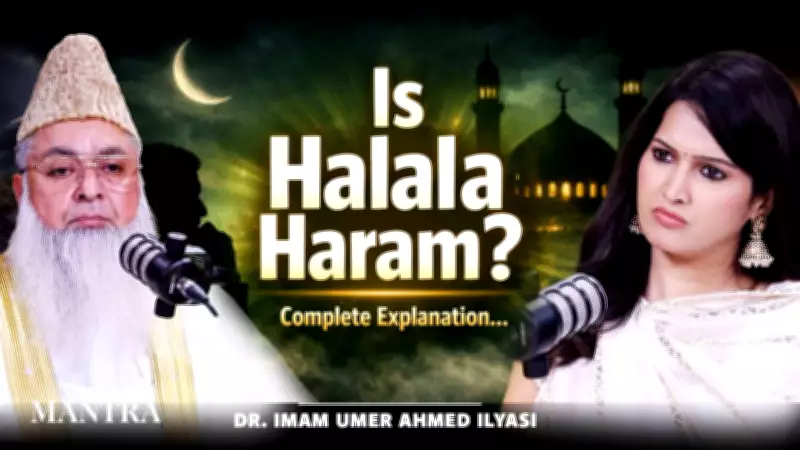
Is Halala Permissible in Islam? Dr. Imam Clarifies the Controversial Practice
Halala stands as one of the most intensely debated and frequently misunderstood subjects within contemporary Islamic discourse. In a comprehensive and enlightening dialogue, Islamic scholar Dr. Imam meticulously deconstructs this complex concept, offering clarity and an authentic religious viewpoint. This analysis delves into whether Halala is genuinely sanctioned by Islamic teachings or if it has been subject to widespread misinterpretation across generations.
Exploring the Religious Context and Common Misconceptions
The conversation with Dr. Imam thoroughly examines the foundational religious context surrounding Halala. He addresses prevalent misconceptions that often cloud public understanding, emphasizing the need to distinguish between cultural practices and core Islamic principles. Dr. Imam highlights how historical and social factors have contributed to the confusion, sometimes leading to practices that deviate from the original intent of Islamic law.
The Real Intent and Ethical Considerations Behind Halala
Dr. Imam elucidates the genuine purpose and ethical framework intended by Shariah regarding Halala. He explains that the practice is not meant to be exploited or misused but exists within specific, narrow circumstances designed to uphold marital integrity and religious compliance. The discussion underscores the importance of consulting qualified scholars and relying on authentic sources rather than hearsay or unverified opinions.

Why This Discussion Is Crucial for the Muslim Community
This segment serves as an essential resource for individuals seeking a transparent and honest comprehension of this sensitive issue. Dr. Imam's insights aim to foster informed dialogue within the Muslim community, promoting religious literacy and reducing stigma. By clarifying the theological underpinnings, the conversation encourages a more nuanced approach to Islamic teachings on marriage and divorce.
Key takeaways from Dr. Imam's explanation include:
- The distinction between permissible Halala and prohibited manipulation.
- The role of Islamic jurisprudence in governing such practices.
- The ethical responsibilities of individuals and communities in adhering to Shariah.
- The importance of seeking guidance from knowledgeable religious authorities.
This detailed exploration not only addresses the question of permissibility but also advocates for a deeper, more respectful engagement with Islamic legal traditions. It is a must-watch for anyone committed to understanding the complexities of Halala from a grounded, scholarly perspective.