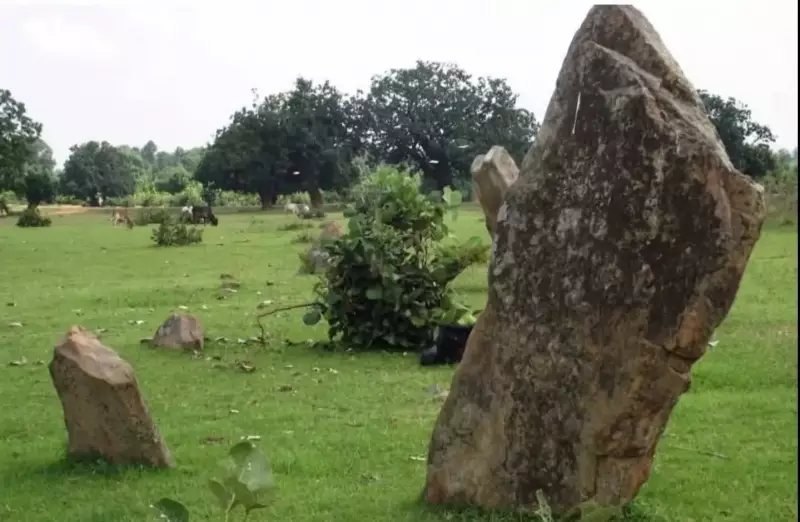
Uncovering Jharkhand's Ancient Megalithic Heritage: An ASI Expert's Perspective
In an exclusive conversation with STOI's Shikha Yadav, Niraj Kumar Mishra, assistant superintendent archaeologist at the Archaeological Survey of India's Ranchi Circle, sheds light on the fascinating megalithic heritage of Jharkhand. The discussion covers ongoing archaeological surveys, recent discoveries, and the complex challenges involved in documenting and protecting these ancient sites across the state.
Understanding Prehistoric Life Through Megalithic Structures
When asked about what Jharkhand's numerous megalithic sites reveal about prehistoric life, Mishra explained that these structures are culturally significant markers of past societies. "Megaliths reflect the socio-religious beliefs, burial customs, economic conditions and subsistence patterns of ancient communities," he stated.
Particularly on Jharkhand's Chhotanagpur Plateau, megaliths are widespread and represent a unique cultural feature of different ethnic groups that have inhabited the region since ancient times. One remarkable aspect is that megalithic burial traditions continue as living cultural practices among several communities even today.

Despite many sites being documented, Mishra emphasized that their dates have not been scientifically determined. He stressed the importance of detailed documentation of these practices, along with references to earlier writings, folklore and oral traditions, to understand how beliefs and customs have evolved over time.
ASI's Documentation Efforts and Recent Progress
The ASI's Ranchi circle has been actively exploring and visiting sites of archaeological importance across Jharkhand through village-to-village surveys. During these surveys, numerous megalithic sites have been reported from different parts of the state.
Mishra highlighted that in archaeological and anthropological contexts, it is well established that the ancient Asura ethnic groups of the region played a significant role in the development of iron technology. Many megalithic burial sites found in the Chatra and Hazaribag regions are associated with the Asura people.
A major development occurred during the 2022–23 field season when an archaeological excavation was conducted at a megalithic site in Obra block of Chatra district. "The excavation yielded iron ornaments and evidence of iron smelting near burial structures," Mishra revealed. These findings suggest that the Asuras may have had temporary settlements in the area or practiced seasonal migration during different cultural phases.
Although scientific dating is yet to be completed, the site appears culturally significant and may belong to the early historical period, around the 1st century CE.
Important Discoveries for Understanding Jharkhand's Past
Mishra provided historical context about earlier archaeological work in Jharkhand, including trial excavations carried out in 1920 by anthropologist Dr. S.C. Roy at megalithic burial sites near Khuntitoli, where cremated bones were found. Later, during 1964–65, further excavations at Khuntitoli revealed charred skeletal remains of multiple individuals.
However, these early excavations lacked scientific dating, leaving the chronology of megaliths in the region unresolved for decades.
The breakthrough came in 2022–23 with the scientific excavation of the megalithic burial site at Obra village in Pathalgada block of Chatra district. Located near the confluence of the Parsauniya and Bhurahi rivers, the site was first brought to notice by a local resident.
The excavation, conducted using systematic scientific methods, yielded:
- Urns containing cremated remains
- Bone remains
- Rings and other ornaments
- Pottery fragments
- Beads made of semi-precious stones
These finds provided evidence of secondary burial practices, where cremated remains were placed inside sealed urns and marked by standing stones or menhirs. The discovery of ancient iron smelting remains near the site is also particularly significant.
Several other megalithic sites have been located in the surrounding area, making Obra an important centre for understanding Jharkhand's megalithic culture.

Challenges in Protecting Megalithic Sites
Mishra identified several major challenges in protecting Jharkhand's megalithic heritage:
- Damage from human activity: Urban expansion has led to the destruction of several megalithic sites, particularly those located near growing towns and cities.
- Removal of stones: Ancient burial sites often have stones removed, reflecting a lack of awareness among local communities about their heritage value.
- Vulnerability of abandoned sites: Megalithic sites located in isolated forest or rural areas remain unprotected and unnoticed, making them particularly vulnerable to damage.
Potential for Heritage and Tourism Development
When asked about developing Jharkhand's megalithic sites as heritage or tourism circuits, Mishra emphasized that "a proper policy framework is needed for this." He stressed the importance of helping people understand that these sites are directly connected to their own past and ancestors.
"Heritage, in any form, creates opportunities for growth and development and also helps restore one's cultural identity," Mishra concluded, highlighting the potential benefits of properly preserving and promoting these ancient sites.