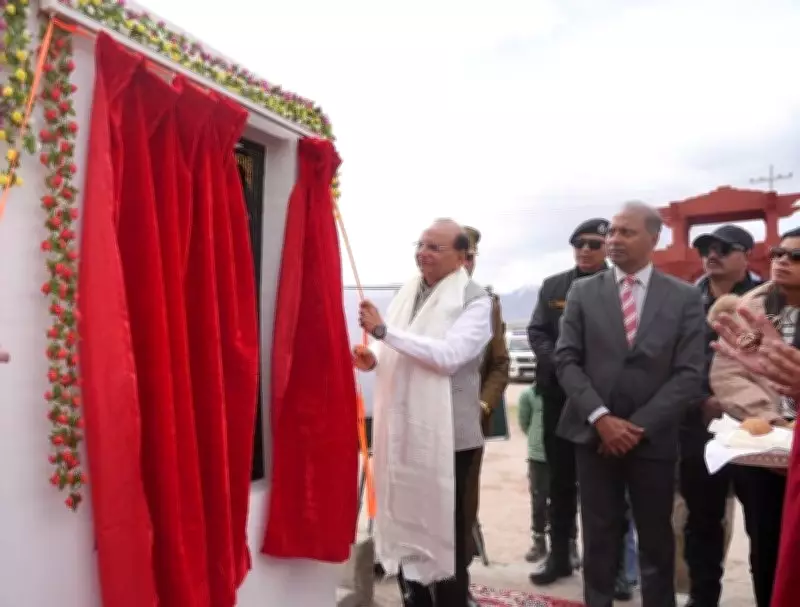
Jammu & Kashmir LG Inaugurates India's First Rock Carvings Conservation Park
In a landmark move for cultural preservation, Lieutenant Governor Manoj Sinha laid the foundation stone for the nation's inaugural rock carvings conservation park in Jammu & Kashmir. This pioneering initiative, announced at a public event, marks a significant step toward safeguarding ancient heritage while promoting tourism in the region.
Preserving Ancient Art and Boosting Tourism
The conservation park is designed to protect and showcase intricate rock carvings that date back centuries, offering a glimpse into the rich historical and artistic legacy of Jammu & Kashmir. By establishing this dedicated facility, authorities aim to prevent further deterioration of these valuable artifacts due to environmental factors and human interference.
Lieutenant Governor Manoj Sinha emphasized the dual purpose of the project during the ceremony. He highlighted that the park will not only serve as a center for academic research and public education but also act as a major tourist attraction, potentially driving economic growth in the area. "This park is a testament to our commitment to preserving our cultural roots while embracing sustainable development," Sinha stated.

Key Features and Expected Impact
The rock carvings conservation park is expected to feature several innovative elements to enhance visitor experience and ensure the longevity of the artifacts:
- State-of-the-art conservation techniques to stabilize and restore the carvings.
- Interactive exhibits and guided tours to educate visitors about the historical significance of the rock art.
- Eco-friendly infrastructure to minimize environmental impact and blend with the natural surroundings.
- Collaboration with archaeologists and historians to conduct ongoing research and documentation.
Officials project that the park will attract both domestic and international tourists, contributing to the local economy through increased footfall and job creation. Additionally, it is seen as a model for similar heritage conservation efforts across India, setting a precedent for protecting other vulnerable historical sites.
A Step Toward Cultural Renaissance
The foundation-laying ceremony was attended by local dignitaries, community leaders, and heritage enthusiasts, who welcomed the initiative as a positive development for Jammu & Kashmir. Many expressed hope that the park will revive interest in the region's ancient history and foster a sense of pride among residents.
This project aligns with broader efforts to promote Jammu & Kashmir as a hub for cultural tourism, complementing existing attractions like temples, mosques, and natural landscapes. By investing in heritage conservation, the administration aims to create a balanced approach to development that honors the past while building for the future.
As construction progresses, stakeholders will monitor the park's implementation to ensure it meets its goals of preservation and public engagement. The successful completion of this park could inspire similar initiatives nationwide, highlighting the importance of protecting India's diverse cultural heritage for generations to come.