Kalinjar Fort Region Officially Declared National Geo-Heritage Site by Geological Survey of India
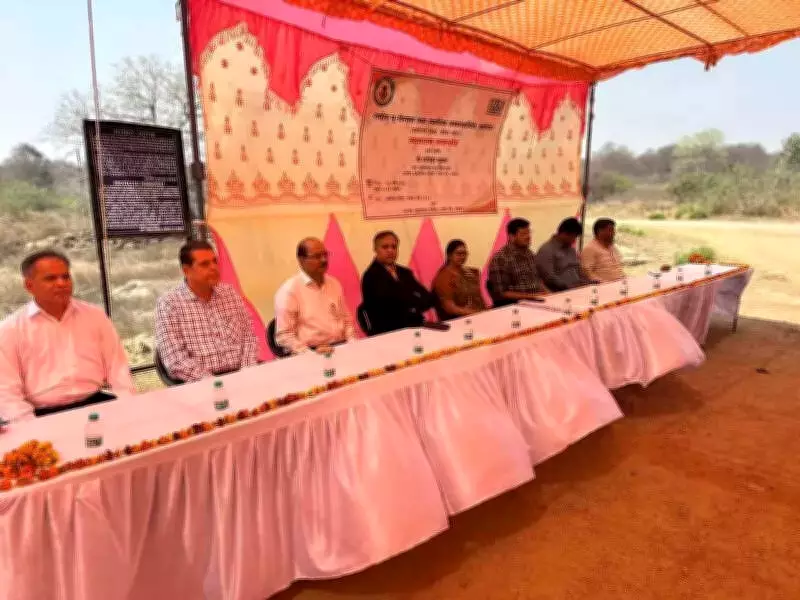
The hill region surrounding the historic Kalinjar Fort in Banda district has been formally designated as a National Geo-Heritage Site by the Geological Survey of India (GSI). This significant announcement was made on March 16 during a special ceremony attended by key officials and experts.
Preserving Geological and Cultural Treasures
According to geological experts and heritage conservationists, this declaration represents a crucial step toward protecting the area's exceptional geological formations and rich cultural legacy. The region, which forms part of the ancient Vindhya Mountain range, contains geological evidence spanning billions of years that offers invaluable insights into Earth's evolutionary history.
The ancient Kalinjar Fort itself is renowned for its massive defensive walls and architectural grandeur, featuring several temples that date back to the Gupta dynasty. Among these is the famous Neelkanth Mahadev temple, which according to Hindu mythology marks the spot where Lord Shiva consumed the poison that emerged during the churning of the cosmic ocean (Samudra Manthan).

Historical Significance and Geological Marvels
Historical records indicate that Kalinjar has been mentioned in Buddhist literature, particularly in travelogues documenting Buddha's journeys. The area was ruled by the Chedi dynasty during the time of Gautama Buddha (563–480 BC) before being absorbed into the Maurya Empire, where it became known as Vindhya-Atavi.
During the declaration ceremony, Rajinder Kumar, additional director-general and head of department for GSI's Northern Region, explained that the Kalinjar Fort region provides clear geological evidence of a rare phenomenon called the Eparchaean Unconformity. This occurs where two distinct rock formations from vastly different geological periods meet, creating a visible boundary in the Earth's crust.
Ancient Rock Formations and Strategic Importance
GSI officials detailed that the site showcases an extraordinary geological record featuring 2.5-billion-year-old Bundelkhand granite overlain by 1.2-billion-year-old Kaimur sandstone. This geological juxtaposition offers scientists a unique window into Earth's ancient history spanning millions of years.
Speakers at the event emphasized how the distinctive geological formations historically contributed to the fort's strategic defensive capabilities. The stones used in constructing the fort's massive walls were sourced locally, creating a remarkable fusion of geological resources and human engineering that reflects the region's unique geo-cultural heritage.
Tourism Development and Conservation Efforts
Authorities anticipate a substantial boost in tourism following this heritage designation. The site is expected to be developed as part of a broader tourism circuit that will connect Kalinjar with other significant destinations including Khajuraho and Chitrakoot, creating comprehensive heritage tourism experiences for visitors.
To promote public awareness and support conservation efforts, the Geological Survey of India has installed a special information board at the site detailing its geological importance and historical relevance. This educational initiative aims to help visitors understand the scientific and cultural significance of this newly designated heritage location.
The declaration represents a comprehensive approach to heritage conservation that recognizes both the geological uniqueness and cultural richness of the Kalinjar region, ensuring its preservation for future generations while making it accessible for educational and tourism purposes.