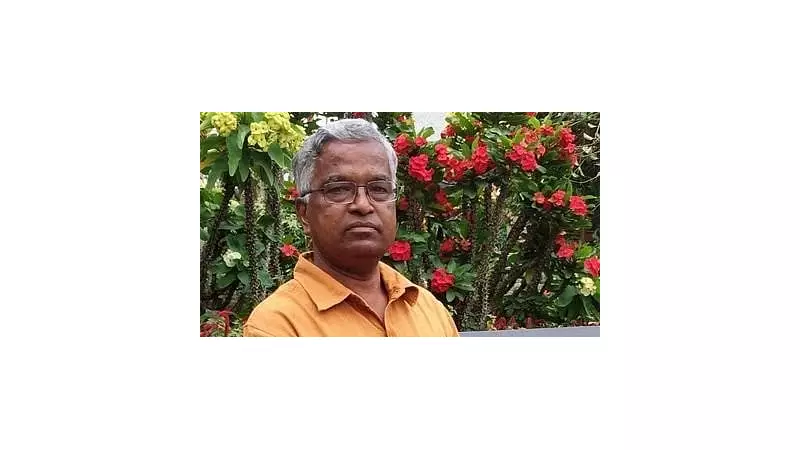
KDA Chairman Raises Alarm Over Defunct Kannada Sangha at BEML
In a significant development highlighting cultural preservation concerns within public institutions, the chairman of the Kannada Development Authority (KDA) has expressed strong criticism regarding the defunct status of the Kannada Sangha at Bharat Earth Movers Limited (BEML) in Bengaluru. The official, identified as Bilimale, issued a stern warning about the broader implications of such institutional neglect.
Warning About Cultural Survival in Professional Environments
Bilimale emphasized that when cultural and linguistic associations within public sector organizations decline or become inactive, the survival of local culture in professional environments becomes increasingly precarious. This statement underscores growing concerns about maintaining regional linguistic identity within India's corporate and institutional landscape.
The Specific Case of BEML's Kannada Sangha
The particular focus of the chairman's ire is the Kannada Sangha at BEML, which appears to have become defunct or inactive. Such sanghas traditionally serve as platforms for promoting Kannada language, literature, and cultural activities among employees within organizations, particularly in Karnataka where Kannada is the official state language.

Broader Implications for Institutional Cultural Support
This incident raises important questions about:
- The responsibility of public institutions in supporting regional languages
- The mechanisms for maintaining cultural associations within professional settings
- The potential erosion of linguistic identity when institutional support wanes
- The role of authorities like KDA in monitoring and addressing such situations
Context and Significance
The warning comes at a time when discussions about linguistic preservation and cultural identity in increasingly globalized professional environments are gaining prominence. Bengaluru, as a major technology and industrial hub, represents a critical battleground for balancing professional advancement with cultural preservation.
The chairman's statement serves as a reminder that cultural associations within institutions are not merely extracurricular activities but vital components of maintaining linguistic heritage in modern professional contexts.
While the specific reasons for the Kannada Sangha's defunct status at BEML were not detailed in the initial report, the KDA chairman's intervention suggests this may become a case study in how public institutions approach their cultural responsibilities. The situation at BEML could potentially influence how other organizations in Karnataka and beyond approach their own linguistic and cultural associations.
This development highlights the ongoing tension between professional institutional priorities and cultural preservation efforts, particularly in regions with strong linguistic identities like Karnataka.