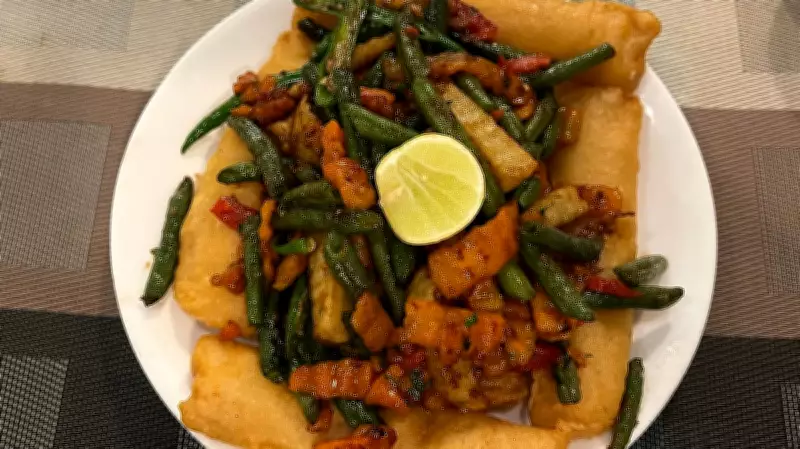
By the late 18th century, Chinese traders, tanners, and shoemakers began arriving in Kolkata, laying the foundation for a unique culinary fusion. This migration gave rise to Indian-Chinese cuisine, which flourished in the city's two Chinatowns: Tiretta Bazaar and later Tangra.
The Birth of Chinatowns in Kolkata
The first wave of Chinese immigrants settled in Tiretta Bazaar, an area that became the heart of Kolkata's Chinese community. They brought with them traditional skills in leather tanning, shoemaking, and, most importantly, cooking. Over time, these immigrants adapted their recipes to suit local palates, incorporating Indian spices and ingredients.
From Tiretta Bazaar to Tangra
As the community grew, a second Chinatown emerged in Tangra, known for its numerous Chinese-owned tanneries and restaurants. Tangra became synonymous with the distinctive Indian-Chinese dishes that are now beloved across India. The cuisine is characterized by bold flavors, with dishes like chili chicken, Manchurian, and Hakka noodles becoming staples.

The Legacy of Indian-Chinese Cuisine
Today, Indian-Chinese cuisine is a testament to the cultural exchange between Chinese immigrants and local Bengalis. It has evolved into a distinct culinary genre, enjoyed not only in Kolkata but throughout India. The fusion of Chinese cooking techniques with Indian spices created a unique taste that continues to delight food lovers.
Kolkata's Chinatowns remain vibrant hubs of culture and cuisine, preserving the heritage of the Chinese community while contributing to the city's diverse food landscape. The story of Indian-Chinese cuisine is a delicious example of how migration and adaptation can create something entirely new and wonderful.