Pulitzer and Booker Winners Confront the Sting of Negative Criticism
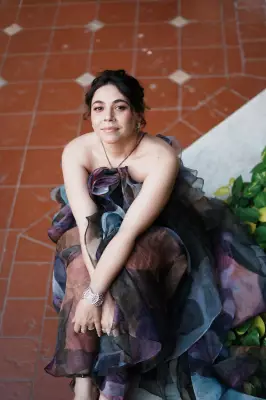
At the recent Kolkata Literary Meet, a captivating session brought together two literary giants for the first time: Pulitzer Prize winner Jhumpa Lahiri and Booker Prize winner Kiran Desai. Moderated by Anindita Ghose, the conversation delved into the sensitive topic of bad reviews, revealing personal vulnerabilities behind their acclaimed works.
The Emotional Toll of Harsh Feedback
Lahiri shared a poignant anecdote, confessing that an early negative review once reduced her to tears on a couch in her husband's office. Desai, reflecting on her solitary work life, noted that she often had no one to turn to after receiving a stinging critique. "I would just be by myself, dealing with it," she admitted. Both authors seemed to agree that avoiding reviews altogether might be the best strategy for maintaining peace of mind in the creative process.
The Unavoidable Reach of Social Media
Ghose raised the issue of persistent reviewers who tag authors on social media platforms, forcing them to engage with feedback whether they want to or not. In a moment of humor, Lahiri, known for her aversion to social media, asked, "What's a tag?" eliciting laughter from the audience. This exchange highlighted a privilege few artists enjoy today: the ability to remain secluded from the constant buzz of online commentary.

For most contemporary art practitioners, such seclusion is no longer an option. Social media presence can influence book deals, and artists are increasingly expected to contextualize, explain, and defend their creations publicly. This shift underscores a broader transformation in how art is consumed and critiqued in the digital age.
The Paradox of Public Engagement in Art Festivals
Literature festivals, art expos, and biennales offer wonderful opportunities for audiences to connect with creators. Attendees can take selfies, get autographs, and hear artists discuss their craft. However, this public exposure can also strip away some of the magic, as artists who typically lead private lives must suddenly articulate their creative processes on stage.
More than one friend has expressed reluctance to attend sessions featuring beloved authors, fearing that real-life encounters might diminish their appreciation of the work. This phenomenon can lead readers to perceive pomposity in prose or insecurity in brushstrokes, forever altering their engagement with the art.
The Artist's Need for Validation
A humorous anecdote from Dan Rosen, host of the "Middlebrow" podcast, illustrates this point. An artist followed him around a museum for 20 minutes, indignantly protesting that Rosen had spent only six seconds looking at a painting that took two years to create. The artist insisted on ensuring that viewers were "consuming it, digesting it in the proper way." This story underscores the modern artist's anxiety over how their work is perceived and interpreted.
The Rise and Risk of Artist Statements
Art appreciation is an art in itself, often requiring guidance through courses or seminars. In today's world, artist statements serve as maps to hidden treasures, helping viewers navigate complex works. Yet, these statements can sometimes overshadow the art they aim to explain.
Crafting a compelling artist statement is not a skill that comes naturally to all creators. Gertrude Stein once remarked in a 1936 lecture that "nothing could bother me more than the way a thing goes dead once it has been said." Despite this, we live in an era where explanation is paramount, driven by a need to ensure art is "digested properly."
An artist friend once lamented the pressure to imbue his work with deeper meaning, simply because he found things "pretty." As a writer, it fell to me to craft statements that made his artistry "sound smart," layering it with hidden meanings and cultural relevance. Today, tools like ChatGPT have democratized this process, but the essence remains: artist statements can both illuminate and constrain.

Durga Puja: From Public Celebration to Self-Conscious Art
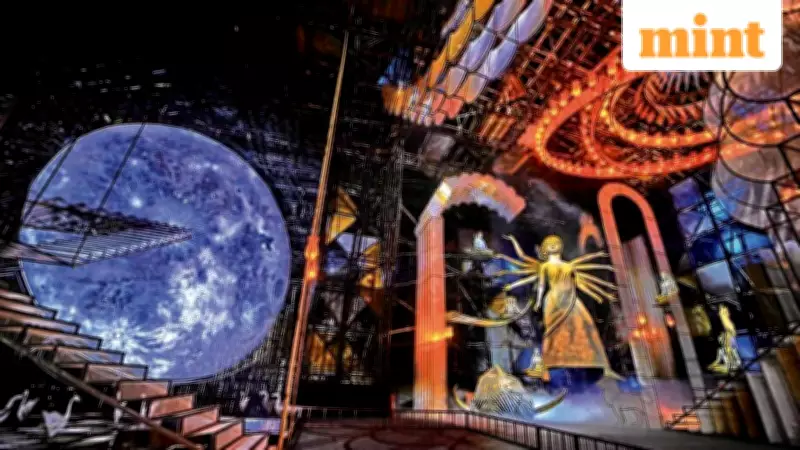
Durga Puja in Kolkata, often celebrated as the city's premier public art festival, exemplifies this tension. Traditionally, installations ranged from goddesses made of bottle caps to themes like Hogwarts or Titanic, drawing crowds without the need for elaborate explanations. However, since receiving UNESCO recognition as intangible cultural heritage, the festival has grown more self-conscious, with artist statements becoming increasingly incomprehensible.
One memorable Puja featured a striking Durga image accompanied by a word salad of an artist's statement, discussing "colonial edges" and navigating spaces to "difference." While visually impressive, the statement left viewers bewildered. In contrast, designer Anirban Pandalwala achieved huge success by transforming a street into a scene from Sukumar Ray's nonsense rhymes, evoking pure nostalgia without deeper meaning. He emphasized that Durga Puja, as mass art, must resonate with people of all backgrounds, balancing artistic integrity with public accessibility.
Setting Art Free from Verbal Constraints
The real issue isn't the proliferation of jargon-filled statements; it's that art thrives in nuance and unsaid spaces. At its best, art should resonate uniquely with each viewer, flourishing in grey areas of interpretation. While artist statements can offer valuable insights, they risk eliminating fluidity by dictating exactly what to think.
As I prepare to visit the Kochi Biennale for the first time, I feel both excitement and nervousness, wary of getting lost in the words surrounding the art. Words, in their own way, can cage creativity. Perhaps it's time to set art free, even at the risk of being misunderstood, allowing it to speak for itself in the silent spaces between perception and experience.