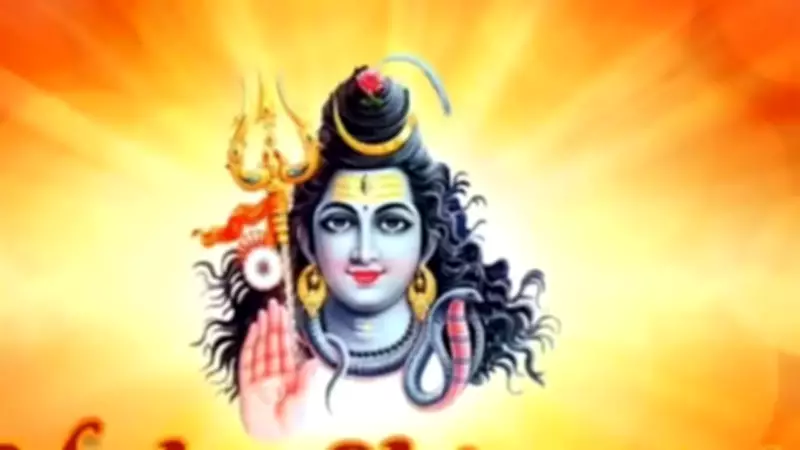
Maha Shivratri 2026: A Sacred Celebration of Lord Shiva
Maha Shivratri stands as one of the most powerful and spiritually significant festivals in Hinduism, dedicated entirely to honoring Lord Shiva. This auspicious occasion commemorates the divine union of Shiva and Parvati, known as the Shiva Parvati Vivah, and is revered as the great night of Lord Shiva. As a cornerstone of Hindu religious practice, Maha Shivratri holds profound spiritual meaning for millions of devotees worldwide.
Maha Shivratri 2026: Date and Timings
The festival is observed on the 14th night (Chaturdashi Tithi) of the dark fortnight (Krishna Paksha) in the Hindu month of Phalguna. In 2026, Maha Shivratri will be celebrated on February 15, 2026, with specific puja timings that guide devotional activities throughout the night.
Key Timings for Maha Shivratri 2026:

- Chaturdashi Tithi Begins: February 15, 2026 - 05:04 PM
- Chaturdashi Tithi Ends: February 16, 2026 - 05:34 PM
- Ratri First Prahar Puja Time: February 15, 2026 - 06:11 PM to 09:23 PM
- Ratri Second Prahar Puja Time: February 16, 2026 - 09:23 PM to 12:35 AM
- Ratri Third Prahar Puja Time: February 16, 2026 - 12:35 AM to 03:47 AM
- Ratri Fourth Prahar Puja Time: February 16, 2026 - 03:47 AM to 06:59 AM
- Nishita Kaal Puja Time: February 16, 2026 - 12:09 AM to 01:01 AM
- Shivaratri Parana Time: February 16, 2026 - 06:59 AM to 03:24 PM
The Profound Significance of Maha Shivratri
Maha Shivratri is celebrated across India with immense grandeur and devotion, marking a night when devotees offer sincere prayers to Lord Shiva and Goddess Parvati. While Lord Shiva is often known as the God of destruction, he is also revered as the most compassionate deity, the greatest of givers who fulfills the wishes of his true devotees. It is believed that with pure intentions and simple offerings like a bel patra, one can easily appease him, receiving protection, happiness, prosperity, and worldly pleasures in return.
The festival is linked to several cosmic and spiritual events, including the churning of the ocean (Samudra Manthan), during which Lord Shiva consumed poison to save the world from destruction, thereby eliminating ignorance and darkness from the cosmos. Additionally, this day commemorates Shiva's performance of the Tandava, the cosmic dance that symbolizes the cycle of creation and destruction.
Why Maha Shivratri is Celebrated
Maha Shivratri honors the marriage of Shiva and Parvati, a union that represents the balance of masculine and feminine energies in the universe. Devotees engage in various puja rituals and spiritual activities on this night to seek Lord Shiva's blessings, with many visiting Shiva temples to perform abhishekam and offer prayers. The festival serves as a time for introspection, purification, and spiritual growth, encouraging followers to surrender to Mahadeva for guidance and grace.

Maha Shivratri 2026 Puja Rituals: A Step-by-Step Guide
- Early Morning Preparation: Wake up early, clean your home and puja room thoroughly, and take a holy bath to purify yourself.
- Fasting and Sankalp: Wear clean clothes and take a sankalp (vow) to observe a fast from morning until the parana time, dedicating it to Lord Shiva.
- Temple Visit and Abhishekam: Visit a Shiva temple to perform Jalabhishekam on the Shivalingam. Many devotees also conduct Rudrabhishekam, a sacred ritual involving the chanting of Vedic mantras.
- Offering and Decorations: Light a diya with desi ghee, burn incense sticks, and offer sacred items like flowers, fruits, and milk to appease Lord Shiva. Perform Gathbandhan and offer shringar items to Goddess Parvati.
- Adorning the Shivalingam: Apply sandalwood paste and decorate the Shivalingam with flowers and belpatra, symbolizing devotion and reverence.
- Home Abhishekam: For those unable to visit temples, create a clay Shivalingam at home and perform abhishekam with water, milk, and other offerings.
- Chanting Mantras and Aarti: Chant powerful mantras to invoke Lord Shiva's presence, such as "Om Namah Shivaye" and "Om Trayambhakam Yajamahe," and conclude the puja by chanting the aarti to seek divine blessings.
By following these rituals with sincerity and devotion, devotees aim to connect deeply with Lord Shiva, embracing the spiritual essence of Maha Shivratri for personal transformation and divine grace.