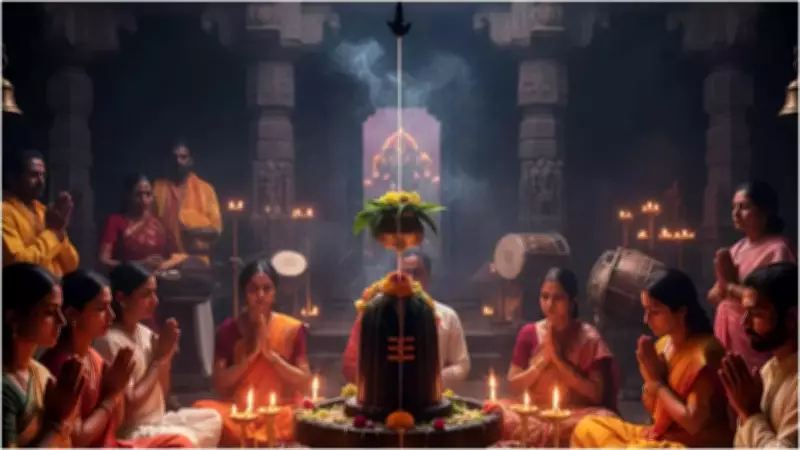
Mahashivratri: A Night for Karmic Cleansing and Spiritual Renewal
Mahashivratri, one of the most significant nights in the Hindu calendar, is widely regarded as an auspicious occasion for dispelling negative energies and fostering profound inner transformation. This festival holds deep spiritual importance, with many traditions emphasizing its role in helping individuals break free from detrimental habits often attributed to karmic imprints from past lives.
The Concept of Karma in Previous Lives
In Hindu philosophy, karma represents the cumulative effect of a person's actions across their previous existences. These karmic impressions are believed to influence current circumstances, emotional states, and life challenges. It is commonly held that unresolved karma from past lives continues to shape thoughts, behaviors, and decision-making processes in the present.
Mahashivratri is considered particularly sacred due to its alignment with cosmic energies that are said to enhance meditation and inner peace. This night is associated with heightened awareness, enabling individuals to recognize personal patterns, overcome negative tendencies, and cultivate greater self-control.

Rituals and Practices for Karmic Release
Devotees honor Lord Shiva, the deity symbolizing destruction and regeneration, through various practices aimed at spiritual purification. Key rituals include:
- Fasting: Abstaining from food to shift focus from physical comfort to spiritual awareness.
- Prayer and Meditation: Staying awake through the night in devotion or contemplation to break repetitive thought cycles and increase mindfulness.
- Abhishekam: Ceremonially bathing the Shiva Linga with water, milk, and other offerings as an act of purification.
- Charity: Performing acts of service, such as feeding the needy, to offset negative karma.
However, spiritual teachers caution that rituals alone are insufficient for karmic cleansing. Mahashivratri fundamentally revolves around introspection, releasing grudges, and making conscious commitments. By letting go of anger, practicing gratitude, and adhering to ethical principles, individuals can positively influence their karmic trajectory.
Modern Relevance and Self-Reflection
In contemporary times, the concept of karmic cleansing has evolved into a means for mental and emotional clarity, rather than merely addressing past-life burdens. Urban celebrants often observe Mahashivratri through self-awareness exercises, digital detoxes, and activities that promote joy and tranquility, aiding in stress reduction and clear thinking.
As Swami Aniruddhananda, a spiritual teacher from South India, notes, "Mahashivratri is not so much about asking for miracles as it is about getting in touch with your inner discipline. When you become more aware, karmic patterns naturally let go."
Conclusion
Mahashivratri serves as a powerful spiritual reminder of the potential for change and renewal. It provides a dedicated time for evaluating one's life and choosing a path of improvement. True release from past-life karma on this holy night requires a genuine desire for transformation and a willingness to confront what needs alteration, making it a profound opportunity for personal growth and balance.