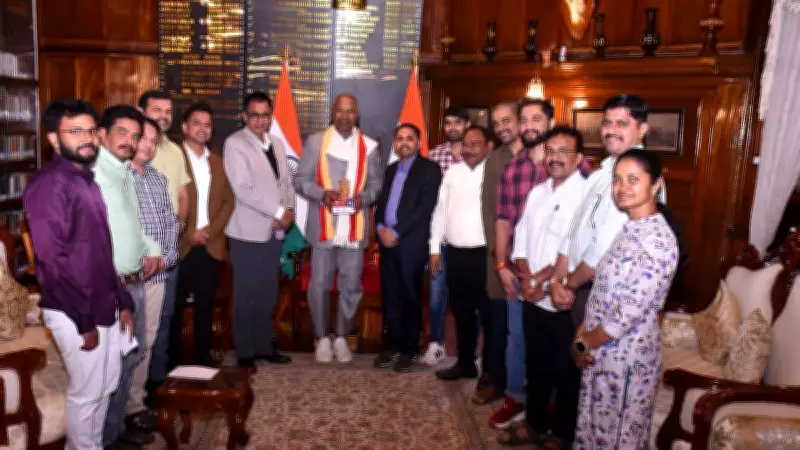
In a fascinating revelation about India's diverse cultural landscape, Governor CH Vijayashankar has brought attention to the unique matrilineal traditions still practiced in the northeastern state of Meghalaya. The Governor, a two-time Member of Parliament from Mysuru, emphasized that these customs remain deeply rooted among the state's three major tribal communities.
Matrilineal Culture in Meghalaya's Tribal Communities
Governor Vijayashankar highlighted that the Garo, Jaintia, and Khasi tribes continue to uphold their ancestral matrilineal systems. This cultural framework stands in contrast to the patrilineal norms prevalent in much of India, offering a distinct perspective on family structure and inheritance.
Post-Marriage Residence Patterns
A key aspect of this tradition involves men changing their residence after marriage. Unlike conventional practices where women typically move to their husband's household, in these Meghalayan tribes, it is often the men who relocate to join their wife's family home. This custom reinforces the matrilineal lineage and property rights that are passed through female lines.

Governor's Observations on Cultural Preservation
Governor CH Vijayashankar, drawing from his political experience and observations, noted the resilience of these traditions despite modernization influences. His comments underscore how these indigenous practices have survived generations, maintaining their relevance in contemporary society while preserving unique cultural identities.
Significance of Matrilineal Systems
The matrilineal culture in Meghalaya represents more than just residence patterns. It encompasses broader social structures including:
- Inheritance Rights: Property and family names typically pass through daughters rather than sons
- Family Leadership: Women often hold significant decision-making authority within households
- Cultural Identity: These traditions form a core part of tribal heritage and community cohesion
Governor Vijayashankar's remarks serve as an important reminder of India's rich cultural diversity and the coexistence of various social systems across different regions. The matrilineal practices in Meghalaya offer valuable insights into alternative family structures that challenge conventional gender norms while maintaining strong community bonds.