Mumbai Embraces a Tapestry of Spring Festivals and New Year Celebrations
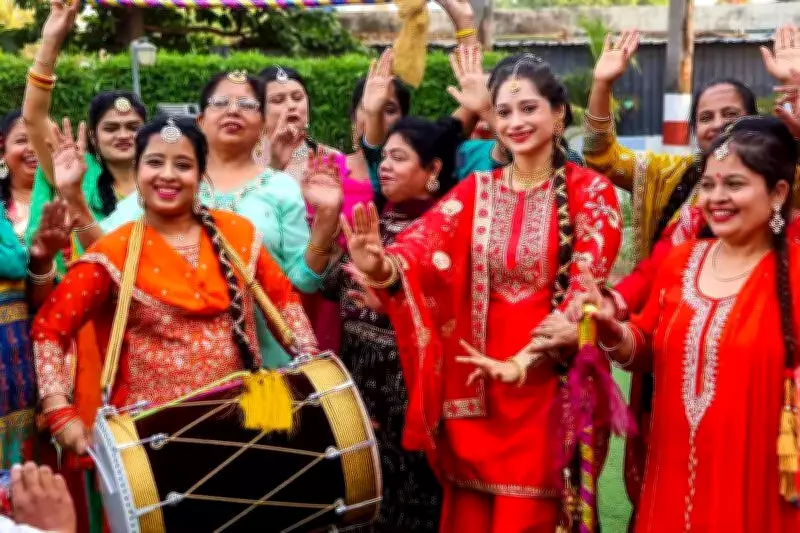
The vibrant city of Mumbai is set to be illuminated with the joyous spirit of multiple regional festivals this Tuesday and Wednesday. The Punjabi harvest festival of Baisakhi coincides with the second round of Hindu new year observances, including Poila Boisakh, Puthandu, and Vishu, transforming the urban landscape into a colorful mosaic of gatherings, rituals, and feasts.
Baisakhi Celebrations with Community Spirit
In Bandra, the organization Khalsa Aid will host a special turban-tying event at Carter Road to honor Baisakhi, fostering community bonds. Meanwhile, at Guru Singh Sabha in Dadar, special prayers and gatherings are planned, as confirmed by community member Manmohan Singh. These events highlight the Sikh tradition of sharing and solidarity during this auspicious time.
Assamese Rongali Bihu: A Dance with Nature
The Assamese community in Mumbai will celebrate Rongali Bihu with events at Sector 5 in Kharghar on Tuesday and at Rangsharda in Bandra on April 19. Senior community member Jyotirmoy Das emphasized the festive nature of the occasion. Aparup Borpujari, former vice-president of the Assam Association Mumbai, described it as a period of joy, noting that "Rongali Bihu involves dancing and singing amid nature, with young boys and girls adorned in fine costumes performing in fields." This contrasts with Maghi Bihu in January, which focuses more on feasting.

Bengali Poila Boishakh: Traditions and Togetherness
Bengali residents are preparing for Poila Boishakh on Wednesday with elegant attire like new dhoti kurtas and saris. The day is marked by opening new account books (haal khaata), decorating homes with alpana (rangoli), and feasting on dishes such as luchi, kosha mangsho, and payesh. Prayers are offered to Lord Ganesh and Goddess Lakshmi for prosperity.
The Durgabari Samiti will organize a program on April 19 to celebrate New Year 1433 and Rabindra Jayanti, as stated by community member Mitali Poddar. Joy Chakraborty of the Bengal Club in Shivaji Park shared that their 103-year-old institution will welcome the Bengali New Year with a special puja, pushpanjali to Ma Kali, aarti, and prasad distribution. A cultural program and traditional dinner are scheduled for the following weekend.
At Kallol Kali Mandir in Goregaon, day-long rituals will begin with Kali Puja and Satyanarayan Puja, accompanied by a dance drama inspired by Rabindranath Tagore's poem 'Abhisar', exploring themes of devotion. Community member Sapan Mukherjee reflected, "Poila Boishakh is when we come together to celebrate our traditions and shared heritage."
Tamil and Malayali New Year Observances
K A Viswanathan of Matunga noted that Tamil New Year Puthandu will be celebrated on Tuesday, followed by Vishu on Wednesday. A Malayali resident from Kalyan detailed the preparation of 'vishukkani', an arrangement centered around an idol of Lord Krishna, surrounded by gold, silver, yellow 'kanikonna' flowers, fresh fruits like cucumber and jackfruit, and a mirror. "Each family member is led blindfolded to the arrangement—it is the first thing we see on the morning of the festival, symbolizing an auspicious beginning. As we sit to eat on banana leaves, elders bless us," he explained. In Matunga's Asthika Samaj, devotees queue for darshan of Lord Krishna and the vishukkani, embracing the spiritual significance of the day.
These diverse celebrations underscore Mumbai's rich cultural fabric, where communities unite to honor their heritage with enthusiasm and reverence, making the city a hub of festive energy during this spring season.