

Nag Panchami Ritual: A Sacred Tradition or Harmful Practice?
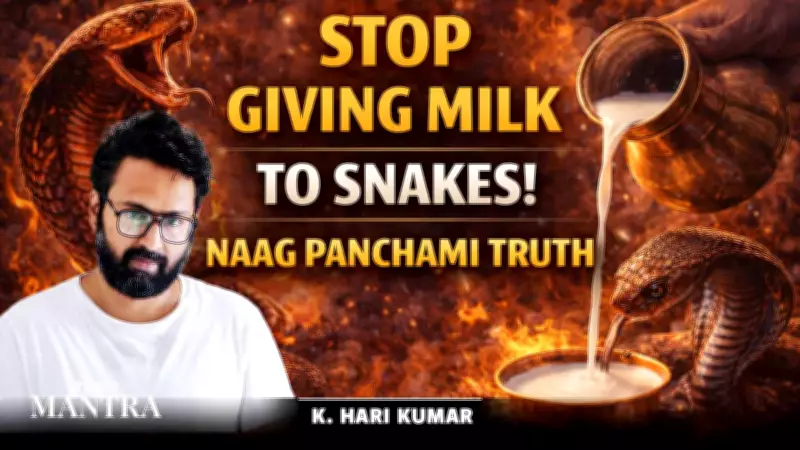
On Nag Panchami, a festival deeply rooted in Indian culture, many devotees offer milk to snakes as a gesture of reverence and devotion. This ritual, celebrated with fervor across the country, is believed to appease snake deities and bring blessings. However, a critical question arises: is this act truly sacred, or is it a misunderstood tradition that inadvertently harms the very creatures it aims to honor? In a compelling discussion, K. Hari Kumar sheds light on the real impact of this practice, urging a reevaluation of long-held beliefs.
The Truth Behind Milk Offerings to Snakes
K. Hari Kumar, in his insightful conversation, explains that offering milk to snakes is not only unnecessary but can be detrimental to their health. Snakes are carnivorous reptiles that do not naturally consume milk; in fact, dairy products can cause digestive issues, dehydration, and even lead to fatal conditions for these animals. The ritual, often performed with good intentions, may stem from myths and misconceptions rather than scientific understanding. This perspective challenges the blind faith associated with Nag Panchami, encouraging devotees to consider the welfare of snakes alongside cultural practices.
Blind Faith vs. Awareness: A Call for Change
The discussion emphasizes the importance of balancing tradition with awareness. While Nag Panchami holds significant cultural and religious value, it is crucial to adapt rituals to align with modern knowledge about wildlife conservation. K. Hari Kumar argues that true devotion should not come at the expense of animal suffering. By promoting snake awareness and educating the public about their natural habits, this conversation aims to foster a more compassionate approach. It invites individuals to rethink their actions, blending respect for heritage with a commitment to truth and ethical practices.

Impact on Wildlife and Cultural Reflection
This revelation has broader implications for wildlife conservation in India. Snakes play a vital role in ecosystems, and practices that harm them can disrupt ecological balance. The Nag Panchami ritual, when performed without awareness, may contribute to the decline of snake populations or cause unnecessary stress to these creatures. K. Hari Kumar's insights serve as a reality check, prompting a deeper reflection on how cultural traditions evolve. By embracing logic and evidence, communities can preserve the essence of festivals like Nag Panchami while ensuring they do not inadvertently cause harm.
In conclusion, the conversation with K. Hari Kumar offers a powerful perspective on Nag Panchami, urging a shift from blind adherence to informed practice. It highlights the need for ongoing dialogue between tradition and modernity, where cultural rituals are celebrated with mindfulness and respect for all living beings. This approach not only protects wildlife but also enriches the spiritual experience, making festivals more meaningful and sustainable for future generations.






