Chaitra Navratri 2026: Spiritual Preparations and Traditional Guidelines
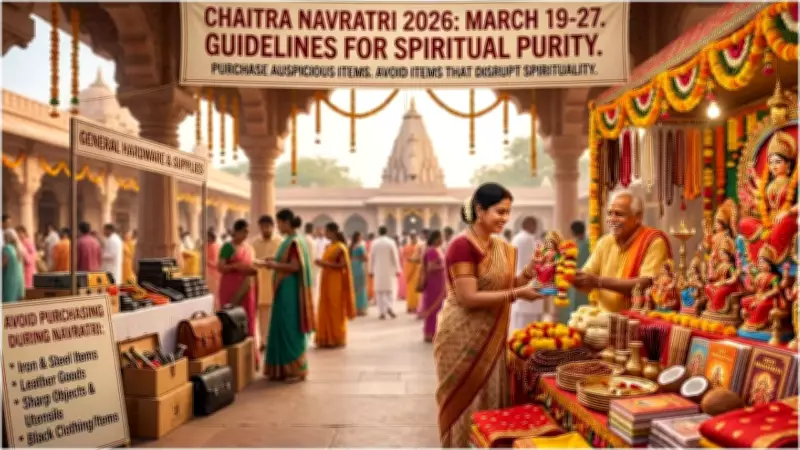
Devotees across India are gearing up for the grand celebration of Chaitra Navratri, scheduled from March 19 to March 27, 2026. This nine-day festival dedicated to Goddess Durga involves specific spiritual guidelines regarding purchases, aimed at maintaining purity and enhancing divine energy. While certain items are traditionally avoided, others are encouraged to foster spiritual growth and prosperity.
Items to Avoid During Navratri
Hindu traditions emphasize that buying specific items during this sacred period could disrupt the festival's spiritual vibrations. These customs have been passed down through generations to help devotees maintain focus and discipline.
Iron and Metal Objects
During Navratri, purchasing iron items is strongly discouraged. Traditional beliefs suggest that iron carries energies that may conflict with the purity sought during devotion. Devotees typically avoid buying:

- Iron tools and equipment
- Kitchenware made of iron
- Furniture containing iron components
Instead, the focus shifts to spiritual practices like prayer, meditation, and chanting mantras dedicated to the Goddess.
Leather Products
Navratri observances also include avoiding leather goods such as shoes, bags, wallets, and belts. This practice aligns with the festival's emphasis on non-violence and compassion, as many devotees adopt a sattvic lifestyle that excludes animal products and meat consumption during this period.
Sharp Objects and Cutting Tools
Many families believe that purchasing sharp items like knives, scissors, or other cutting implements during Navratri brings negative energy. These objects are associated with violence, which contradicts the peaceful, devotional spirit of the festival. Some traditions extend this to avoiding new construction projects or tool purchases for similar reasons.
Black-Colored Items
According to ancient beliefs, black is often linked to heavy or negative energies. Consequently, devotees typically refrain from buying black clothing, jewelry, or decorations during Navratri. Instead, they prefer vibrant colors that represent the various forms of Goddess Durga worshipped throughout the festival.
Non-Vegetarian Food and Alcohol
Devotees observing Navratri usually follow a strict sattvic diet that excludes meat, eggs, certain grains, and alcohol. Many traditional guidelines advise against purchasing these items during the festival, as dietary purity supports both physical and mental cleanliness during the nine-day observance.
Previously Used Items
Some traditions caution against buying second-hand or used items during Navratri. The belief is that objects used during this sacred time might carry energies that could affect the spiritual atmosphere of the home. Devotees aim to maintain a pure, positive environment conducive to worship.
Recommended Purchases for Spiritual Enhancement
While certain items are avoided, Navratri is considered an auspicious time for acquiring objects that support faith and prosperity. Devotees believe that purchasing sacred items brings blessings and positive energy.
- Religious Items: Idols of deities, prayer accessories, flowers, and fruits are considered highly beneficial.
- Traditional Decorations: Clay lamps, traditional ornaments, and offerings for the Goddess enhance the festive atmosphere.
- New Clothing: Brightly colored garments in traditional styles are often purchased, though practices may vary by family and region.
- Precious Metals: Many consider this an opportune time for buying gold and silver, symbolizing wealth and divine blessings.
The Spiritual Significance Behind These Practices
Religious scholars explain that these guidelines are designed to cultivate discipline and concentration during Navratri. The festival transcends mere ritualistic observance, focusing on eliminating negative tendencies and fostering spiritual renewal. By avoiding distracting purchases and activities, devotees can dedicate themselves more fully to fasting, charity, prayer, and introspection.

It's important to note that Navratri celebrations can vary significantly among families, communities, and regions. While some adhere strictly to traditional practices, others adapt guidelines to align with personal beliefs and contemporary lifestyles. The core essence remains devotion to the divine feminine energy through cultural traditions and spiritual discipline.
As Chaitra Navratri 2026 approaches, millions of Indians prepare to honor Goddess Durga with heartfelt devotion, preserving ancient customs while embracing the festival's timeless spiritual message.