Nepal Ushers in New Year 2083 Bikram Sambat with Grand Celebrations
Nepal has officially entered the year 2083 according to the Bikram Sambat calendar, a momentous occasion celebrated across the nation with immense joy and traditional fervor. The onset of this new year, which began on April 14, 2024, in the Gregorian calendar, was marked by a series of vibrant festivities, cultural programs, and religious ceremonies that highlighted the rich heritage and unity of the Nepalese people.
Cultural Significance and Historical Roots
The Bikram Sambat calendar, also known as the Vikram Samvat, is a traditional lunar calendar widely used in Nepal and parts of India. It traces its origins back to the legendary King Vikramaditya, with the year 2083 representing a continuation of this ancient timekeeping system that has been in practice for centuries. This calendar plays a crucial role in determining various religious and cultural events, including festivals, weddings, and agricultural activities, making the New Year celebration a deeply rooted cultural milestone.
Nationwide Festivities and Public Participation
Throughout Nepal, cities and villages alike were adorned with decorations, lights, and colorful banners to commemorate the New Year. Key events included:

- Public Gatherings and Parades: Large crowds gathered in public squares, such as Kathmandu's Durbar Square, to participate in processions, music performances, and dance shows that showcased traditional Nepalese arts.
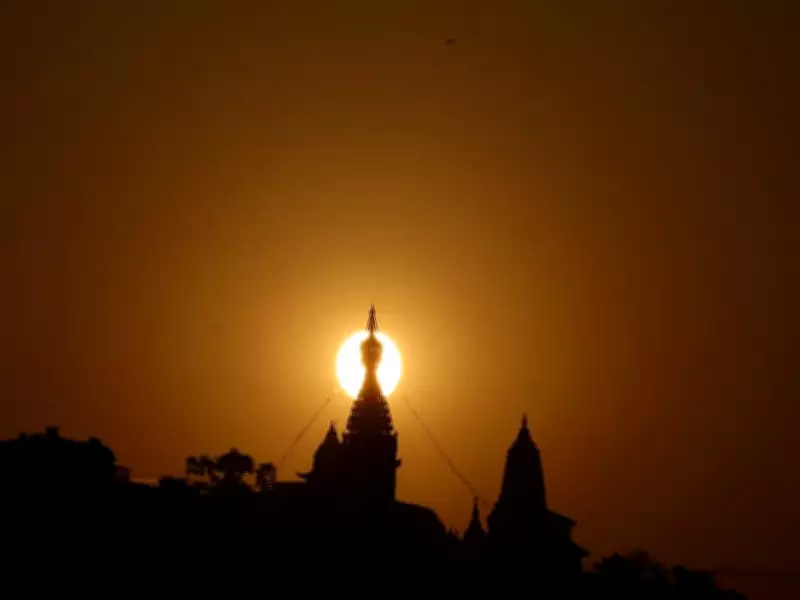
- Religious Observances: Many people visited temples and shrines to offer prayers and seek blessings for prosperity and good health in the coming year. Special pujas and rituals were conducted by priests in accordance with Hindu traditions.
- Family and Community Celebrations: Families came together for feasts featuring traditional dishes like sel roti and gundruk, while communities organized local fairs and cultural exhibitions to foster a sense of togetherness.
Government and Institutional Involvement
The Nepalese government actively supported the celebrations by declaring a public holiday, allowing citizens to fully engage in the festivities. Various institutions, including schools, colleges, and cultural organizations, hosted events to educate the younger generation about the historical and cultural importance of the Bikram Sambat calendar. Officials extended greetings and emphasized the New Year as a time for renewal, peace, and national unity.
Global Recognition and Diaspora Celebrations
Beyond Nepal's borders, the Nepalese diaspora in countries like India, the United States, and the United Kingdom also marked the occasion with cultural programs and community gatherings. These events served to connect expatriates with their roots and promote Nepalese culture on an international stage, highlighting the global relevance of this traditional celebration.
As Nepal steps into the year 2083, the celebrations reflect a blend of ancient traditions and modern expressions of joy, reinforcing the enduring cultural identity of the nation. The New Year serves as a reminder of Nepal's rich historical legacy and its ongoing commitment to preserving and celebrating its unique heritage in a rapidly changing world.