The Viral 'Nihilist Penguin' Meme: Unpacking the Global Fascination
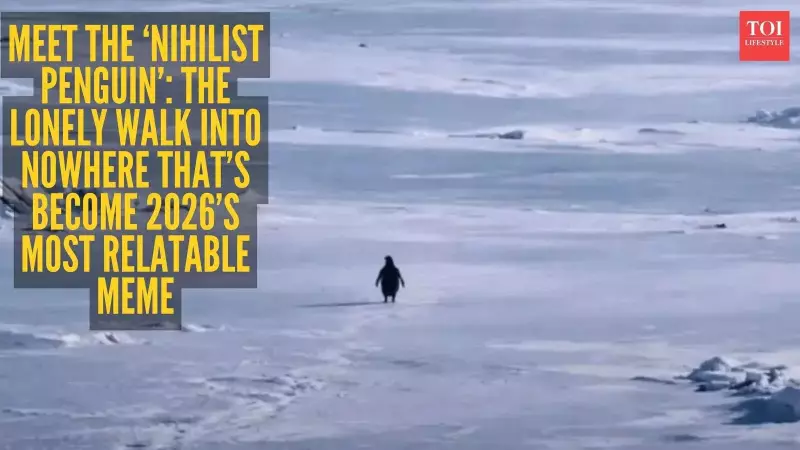
In the vast expanse of Antarctica, a solitary Adélie penguin embarks on a journey that has captivated the internet. This tiny bird, waddling away from its colony towards distant mountains with no ocean in sight, has become the centerpiece of the viral "Nihilist Penguin" meme. The clip, resurfacing in 2026 across platforms like TikTok, X, and Instagram, has sparked a profound conversation about human emotions, burnout, and the universal urge to simply walk away from it all.
The Origins: A Documentary Scene from 2007
The footage is not new; it originates from Encounters at the End of the World, a 2007 documentary by acclaimed German filmmaker Werner Herzog. In one haunting scene, the penguin breaks from its group and heads inland, towards a mountain range nearly 70 kilometers away. With no water, food, or colony in sight, this path is essentially a one-way trip, leading Herzog to dub it a "death march." The stark imagery of snow, silence, and a seemingly hopeless journey has left an indelible mark on viewers.
Why It Went Viral: Relatability in the Digital Age
The sudden resurgence of this clip in 2026 can be attributed to its painful relatability. Social media users have embraced it with captions such as "When you're done with everything" and "Me leaving my responsibilities," coining the nickname "Nihilist Penguin." The penguin's calm, deliberate walk appears almost thoughtful, as if it has quietly decided that nothing matters anymore. In an era characterized by burnout, anxiety, and constant noise, this slow, lonely march has struck a deep chord.

Sometimes, the internet does not seek motivation; instead, it craves permission to feel tired. This meme has become a symbol of walking away from expectations, feeling lost in life, quiet rebellion, and emotional exhaustion. It resonates because it reflects moments when routines feel pointless and the idea of disappearing into the distance offers odd comfort.
The Scientific Perspective: Not a Philosophical Choice
Contrary to the human projections, scientists and wildlife experts explain that this behavior, while rare, does occur. Penguins rely heavily on environmental cues for navigation, and disruptions can lead to tragic mistakes. Possible reasons include:
- Disorientation due to weather or terrain
- Illness or neurological issues
- Simple navigational errors
Herzog noted that such inland journeys almost never end in survival, emphasizing it is not a philosophical choice but a tragic error. Animals, after all, do not always make perfect survival decisions.
The Emotional Impact: Why It Feels Meaningful
Humans are adept at projecting feelings onto animals, and this penguin has become a powerful symbol. In a world obsessed with productivity and purpose, the bird's act of moving slowly, alone, and in the wrong direction feels honest and raw. It is not portrayed as brave or wise but simply as done, which is why the internet cannot stop watching.
Scientifically, it is just a confused bird, but emotionally, it encapsulates a mood many people experience. Life does not always have a clear path; sometimes, you are just a penguin on ice, heading towards mountains with no idea why. This duality between scientific fact and human emotion is what makes the meme so compelling and enduring.
Conclusion: A Reflection of Modern Struggles
The "Nihilist Penguin" meme transcends its origins to become a mirror for contemporary societal struggles. It highlights issues like mental health, detachment, and the search for meaning in a chaotic world. As it continues to circulate online, it serves as a reminder that sometimes, the most profound statements come from the simplest acts, even if they are just a penguin's misguided march.