The Global Cocktail Renaissance: How 2025 Redefined Drinking Culture in India
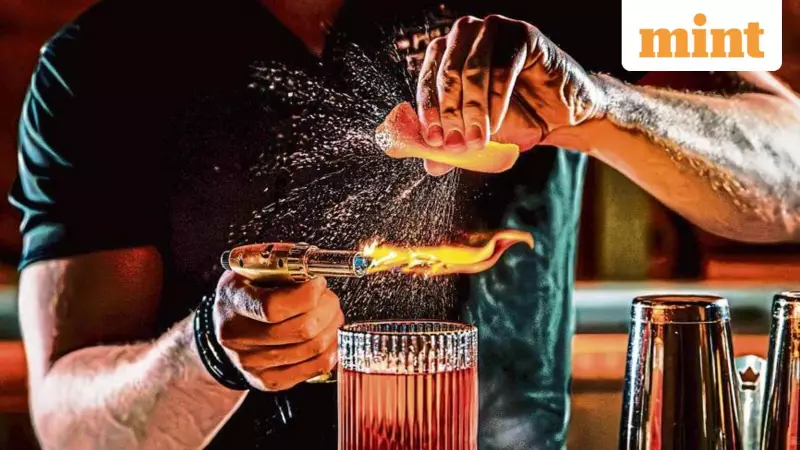
If two movements captured the essence of global cocktail culture in 2025, they were undoubtedly the ascent of the tequila-based picante and the remarkable resurgence of the Old Fashioned. This classic bourbon cocktail, traditionally a straightforward blend of liquor, simple syrup, and bitters, has been undergoing a creative revolution in bars worldwide, including across India. Today's iterations are often smoky, citrusy, or daringly experimental, infused with local spices like cardamom and cinnamon, tropical fruits such as tamarind and mango, aromatic chai, and even the fiery heat of bhut jolokia chilies.
A Mirror to Modern Mixology
The revival of the Old Fashioned and its playful adaptations serve as a perfect reflection of contemporary global cocktail culture. According to Nidal Ramini, advocacy director at Brown-Forman, the company behind iconic brands like Jack Daniel's whiskey and Woodford Reserve bourbon, the rapid dissemination of popular trends across cities and nations is now seamlessly paired with the infusion of local flavors. "A trend may kick off in Spain, Portugal, or Bangkok, and within weeks, it will be featured on cocktail menus in bars across Mumbai, Delhi, and Bengaluru," Ramini observed during a recent visit to India.
He emphasized that the globalization of hospitality has transformed the landscape, with talent traveling freely and local bartenders driving innovation. "If you'd asked me a decade ago whether the world's top bars would include many from Asia, I might have been surprised. Today, speed is the key—the unprecedented pace at which trends travel and get adopted," Ramini added.

The Social Media and Experience Economy Catalyst
This widespread adoption is fueled by several factors:
- Rising consumer demand for premium, experiential, and sustainable drinking options.
- The influence of social media platforms like Instagram and YouTube, which have elevated cocktail preparation into a visual art form. Bartenders now compete not just on taste but on aesthetics, theatricality, and creating shareable, Instagrammable presentations.
The Bar Takeover Phenomenon
Parallel to these trends, the rise of bar takeovers in the hospitality industry has significantly accelerated the exchange of ideas and techniques among mixologists globally. While some experts predicted that this phenomenon might have peaked in 2025, it is more likely to continue well into 2026. A recent example occurred at ZLB23, the speakeasy bar in Bengaluru's Leela Palace Hotel, which hosted Hong Kong's Bar Leone, crowned the global number one on the World's 50 Best Bars list, for an exciting takeover event.
Nishant Agarwal, general manager of The Leela Palace Bengaluru, described this as "a proper exchange programme, and an ongoing one." He noted, "While hosting Bar Leone was an honor, our ZLB23 team has also conducted takeovers worldwide—in Japan, Bangkok, Hong Kong, Singapore, and other vibrant bar scenes. The bartending community is tightly knit, with free-flowing idea exchange and no gatekeeping."
India's Expanding Cocktail Footprint
Last year witnessed high-profile bar takeovers across Indian cities, featuring establishments like Singapore's Jigger & Pony, Paris's Bar Nouveau, and Hong Kong's Aubrey. Conversely, events in Bangkok's Bar Sathorn showcased Indian bars such as Lair from New Delhi, ZLB23 and Soka from Bengaluru, and Boilermaker from Goa. The trend is evolving beyond mere takeovers to include entire bar programs crafted by international teams. For instance, Singapore's Cat Bite Club, featured on Asia's 50 Best Bars 2025 list, designed a drinks program for Bengaluru's Bar Sama.
Importantly, this cultural exchange is not confined to metropolitan areas. A significant shift in the Indian bar scene has been the emergence of cocktail culture in cities beyond the traditional hotspots of Delhi, Mumbai, Bengaluru, and Goa. In 2025, Atelier V, a new bar in Indore, hosted takeovers by Vietnamese bar Stir and Malaysia's Cabinet 8, highlighting the nationwide spread.

Subtle Signs of Global Sophistication
Other indicators of globalization include advancements in ice programs and the adoption of culinary techniques in cocktail-making. Ramini remarked, "Good ice production signifies precision and care. On this trip, I visited several Indian bars where the attention to ice was impressive. The technical experimentation—using rotovaps, sous-vide, centrifuges—is notable and matches the standards of top global bars."
Looking Ahead to 2026
As we move into 2026, Ramini anticipates a shift towards ingredient-focused cocktails with minimal garnishes and presentation, alongside an emphasis on quality glassware. "While some bars still use elaborate garnishes, many are embracing restraint. Stripped-back craft bars will be prominent in 2026. We will continue to see bars develop a distinct tone of voice and identity—through their look, guest experience, and storytelling," he concluded.
This dynamic interplay of global trends and local flavors is not only reshaping India's cocktail landscape but also positioning the country as a key player in the international bar scene, driven by innovation, collaboration, and an ever-growing appreciation for the art of mixology.