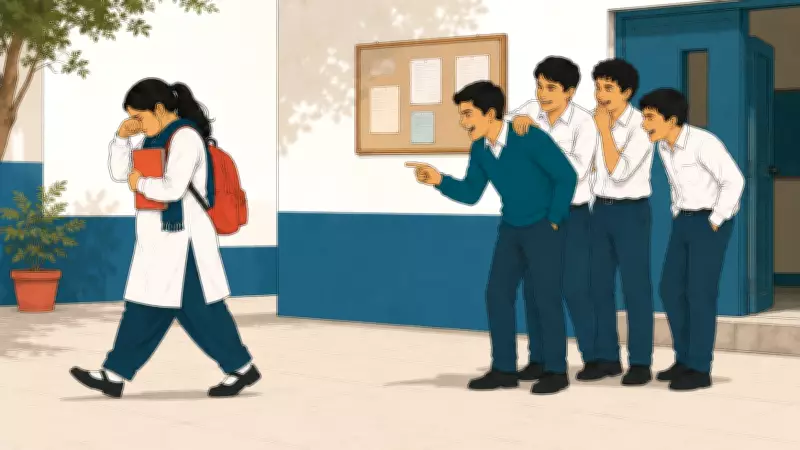
A Pakistani man has opened up about his personal transformation from a victim of bullying into the very bully he once feared. In a candid reflection, he explores the psychological and societal factors that contributed to this change, shedding light on the complex nature of bullying behavior.
The Early Years: A Victim's Perspective
Growing up, the man was often targeted by bullies at school and in his neighborhood. He describes feeling powerless and isolated, constantly anxious about the next attack. The emotional scars from those years ran deep, shaping his worldview and his interactions with others.
Turning Point: The Shift to Aggression
As he entered adolescence, a significant shift occurred. Tired of being a target, he began to adopt the behaviors of his tormentors. He started by mimicking their aggressive stance, then gradually escalated to verbal and physical intimidation. The transformation was not sudden but a gradual process fueled by a desire for self-preservation and acceptance.

Psychological Underpinnings
Experts explain that victims of bullying may resort to aggression as a defense mechanism. The need to regain control and avoid further victimization can lead individuals to adopt the very tactics used against them. This phenomenon, known as the 'bully-victim cycle,' is often rooted in unresolved trauma and a lack of healthy coping mechanisms.
Societal Influences
The man also highlights societal pressures that contributed to his transformation. In his community, displays of strength and dominance were often rewarded, while vulnerability was seen as weakness. The expectation to conform to masculine ideals of toughness and invulnerability further pushed him toward aggressive behavior.
Breaking the Cycle
Years later, after recognizing the harm he had caused, the man sought to break the cycle. Through therapy and self-reflection, he began to understand the root causes of his behavior. He now advocates for awareness and intervention programs that address the underlying issues of bullying, emphasizing the need for empathy and emotional support.
His story serves as a powerful reminder that bullying is not just about individual actions but also about the environments and systems that perpetuate it. By sharing his experience, he hopes to inspire others to reflect on their own behaviors and work toward creating a more compassionate society.
Conclusion
The journey from victim to bully is a complex and often misunderstood process. This man's account provides valuable insights into the psychological and societal factors that can lead to such a transformation. It underscores the importance of addressing bullying at its roots and fostering environments where empathy and resilience can thrive.