Pallavi Paul's 'Alaq' Examines Faith and Science Amid Viral Hate
In a compelling new artistic endeavor, Pallavi Paul has launched 'Alaq,' a thought-provoking work that navigates the complex terrain where faith, science, and societal animosity converge during times of viral outbreaks. This exhibition, which has garnered significant attention in the art community, serves as a critical reflection on how pandemics and health crises often exacerbate pre-existing tensions, blending spiritual beliefs with empirical knowledge in a dialogue that challenges viewers to reconsider their perspectives.
Artistic Exploration of Contemporary Crises
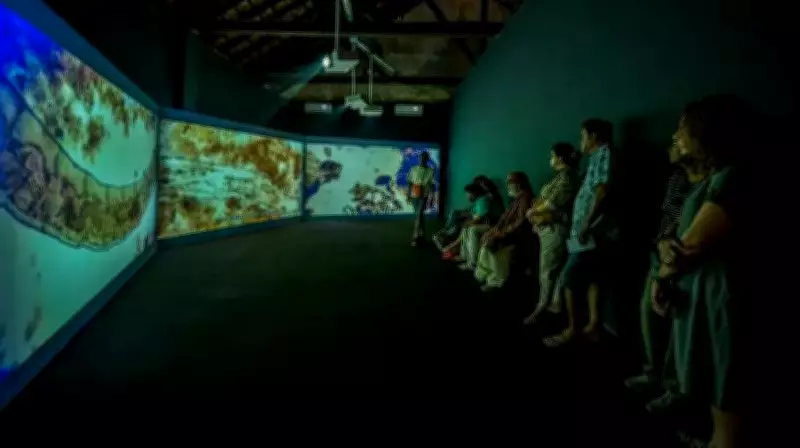
Paul's 'Alaq' is not merely an art piece but a deep dive into the human condition during health emergencies. Through a mix of multimedia installations, video art, and textual elements, the artist explores how viruses—both biological and metaphorical—can fuel hate and division, while also prompting a reevaluation of faith and scientific understanding. The work draws on historical and current events, highlighting how societies have historically responded to plagues and pandemics with both fear and resilience.
Key themes in 'Alaq' include:

- The role of faith in providing solace and community during uncertain times.
- Scientific advancements and their limitations in combating viral threats.
- The rise of hate speech and discrimination linked to health crises.
- Art as a medium for fostering empathy and critical thinking.
Blending Spirituality and Empirical Evidence
One of the standout aspects of 'Alaq' is its nuanced approach to the interplay between spirituality and science. Paul does not position these as opposing forces but rather as complementary elements that can coexist in addressing societal challenges. The exhibition features interviews, archival footage, and personal narratives that illustrate how individuals and communities have turned to both prayer and research in their fight against viruses, from historical epidemics to modern-day pandemics like COVID-19.
This artistic project encourages viewers to question binary thinking and embrace a more holistic understanding of crisis management. By presenting faith and science as intertwined, Paul's work advocates for a collaborative approach that leverages both emotional support and factual knowledge to combat not only the virus itself but also the accompanying social strife.
Addressing Virus-Related Hate and Division
'Alaq' also tackles the darker side of viral outbreaks: the surge in hate and discrimination. Paul uses her art to critique how fear and misinformation during health crises can lead to scapegoating, xenophobia, and social fragmentation. Through powerful visual and auditory elements, the exhibition exposes the ways in which viruses have been weaponized to marginalize certain groups, urging audiences to reflect on their own biases and the importance of solidarity.
The work includes:
- Documentation of hate incidents reported during recent pandemics.
- Testimonies from affected individuals and communities.
- Artistic interpretations of how media and politics influence public perception.
By shedding light on these issues, 'Alaq' aims to foster a more compassionate and informed society, one that resists the temptation to blame and instead focuses on collective healing and understanding.
Impact and Reception in the Art World
Since its unveiling, 'Alaq' has received widespread acclaim for its timely and poignant commentary. Art critics and enthusiasts have praised Pallavi Paul for her ability to merge aesthetic innovation with social relevance, making the exhibition a must-see for those interested in contemporary art and global issues. The project has sparked discussions in galleries, academic circles, and online platforms, highlighting its role in shaping cultural conversations around health, faith, and humanity.
In summary, Pallavi Paul's 'Alaq' is a significant contribution to the art scene, offering a unique lens through which to view the intersections of faith, science, and hate in the context of viral crises. It challenges viewers to engage with complex topics in a reflective manner, promoting dialogue and empathy in an increasingly divided world.