Panama's Ancient Gold Tomb Discovery Rewrites Pre-Hispanic History
Archaeology in Panama continues to deliver astonishing revelations, with a recent discovery in the Natá district capturing global attention. Researchers have unearthed a tomb that remained concealed for over a millennium, dating back more than 1,000 years. This remarkable find includes human remains, exquisite gold jewellery, and intricately decorated pottery, shedding light on ancient Central American civilizations.
Gold-Filled Tomb Reveals High-Ranking Burial from 800–1000 AD
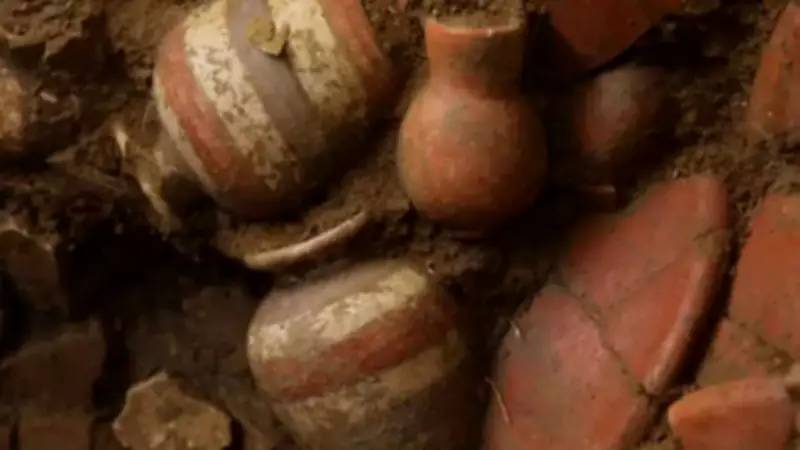
The tomb, estimated to be from between 800 and 1000 AD, contains skeletal remains surrounded by an array of gold artifacts. Among these are pectorals, bracelets, and earrings, some adorned with designs of bats and crocodiles. These animals held profound symbolic significance for the societies in the region, suggesting the individual buried here held the highest rank within their community. Ceramics featuring traditional motifs were also placed alongside the body, indicating these items were not merely decorative but likely reflected beliefs about the afterlife or ongoing social status.
El Caño Site Reveals Centuries of High-Status Tombs and Gold Craftsmanship
Located approximately 200 kilometres southwest of Panama City, the El Caño site has been under excavation for around twenty years. To date, nine similar tombs have been discovered, with ongoing work consistently yielding new findings. Archaeologists emphasize that these tombs provide crucial clues about social hierarchies, trade networks, and ritual practices in pre-Hispanic societies. Gold was evidently highly valued, and the recurring designs in jewellery across different tombs hint at shared beliefs and cultural connections among these ancient peoples.

The craftsmanship involved in creating these gold items required significant skill and access to specific materials, suggesting that only certain individuals had the privilege to possess such artifacts. The bat and crocodile motifs found in this tomb align with patterns discovered in nearby regions, potentially pointing to common myths or religious ideologies. Experts propose that these items served to denote rank, both during life and in the afterlife, underscoring their importance in societal structures.
Burials Suggest Social Status and Rituals Continued After Death
The placement of valuable objects with the bodies implies that ancient societies believed these items would be necessary in the afterlife. The El Caño site offers a rare window into pre-Hispanic Central American culture prior to European arrival in 1492. Currently, researchers are conducting detailed analyses to verify the exact age of the tomb and the composition of the gold artifacts. It may take several months before comprehensive results are published in academic journals, but this discovery is poised to reshape our understanding of ancient social dynamics and ceremonial practices.