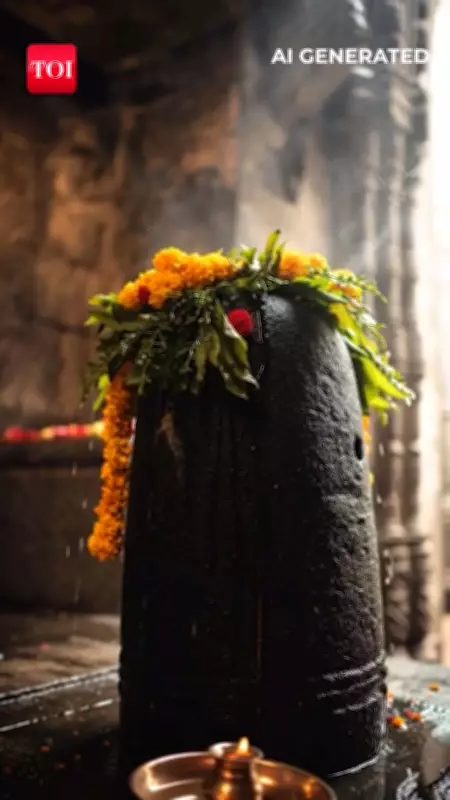
Pawan Sinha Uncovers the Truth About Women and Shivling Worship
For centuries, a widespread belief has persisted that women should not touch the Shivling, a sacred symbol of Lord Shiva in Hinduism. This notion has sparked debates and confusion among devotees, leading many to question its origins. In a revealing discussion, spiritual speaker Pawan Sinha addresses this issue head-on, delving into the scriptures to separate fact from fiction.
Is the Prohibition Scriptural or a Cultural Myth?
Pawan Sinha explains that the idea of women avoiding contact with the Shivling is not explicitly mandated in ancient religious texts. Instead, it stems from cultural interpretations and traditions that have evolved over time. He emphasizes that many such practices arise from societal norms rather than strict divine commandments, highlighting how misinterpretations can obscure the true essence of spiritual devotion.
Spiritual and Cultural Insights Revealed
According to Sinha, the deeper significance lies in the principles of respect and purity during worship. He sheds light on the spiritual reasons often misunderstood by followers, noting that the focus should be on heartfelt devotion rather than rigid rules. The discussion explores how these traditions, while well-intentioned, may inadvertently create barriers to inclusive worship practices.

Key points from Pawan Sinha's explanation include:
- The absence of direct scriptural prohibitions against women touching the Shivling.
- The role of cultural interpretations in shaping religious customs.
- The importance of understanding the symbolic meaning behind rituals.
- Encouraging a more nuanced approach to spiritual practices based on genuine reverence.
Separating Myth from Spiritual Understanding
Pawan Sinha's insights aim to foster a clearer perspective, urging devotees to look beyond surface-level beliefs. By examining the historical and theological contexts, he reveals that many such traditions are not set in stone but are subject to reinterpretation. This approach helps in appreciating the rich tapestry of Hindu spirituality without being bound by unverified myths.
In conclusion, the discussion underscores the value of informed devotion and respect in worship, encouraging a harmonious blend of tradition and contemporary understanding.