From Shahnameh to Chai: Pune Storyteller Revives Iran's Forgotten Links with India
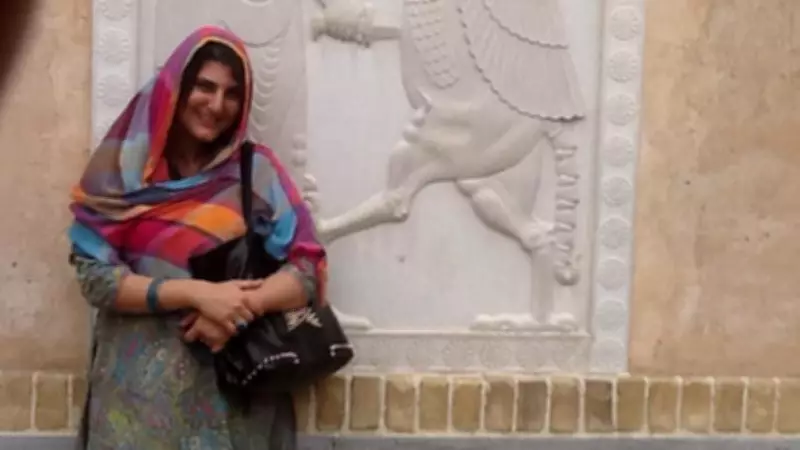
Mariam Abuhaideri, a Pune-based storyteller, writer, and animal lover, proudly identifies herself as a Persian Ladki. This unique moniker serves as a shorthand declaration: "I am an Indian, but my blood is Persian." Her personal journey embodies the complex tapestry of cultural identity that connects two ancient civilizations.
The Emotional Pull of Dual Heritage
When Abuhaideri visits relatives in Tehran or Yazd, she experiences a powerful emotional connection to her ancestral homeland, even while feeling like an outsider. In Iran, she's often introduced as "the Hindi girl"—using the Persian word for Indian. "Everybody wants to spend time with me because they love Indian movies," she reveals. "They're very curious about Amitabh Bachchan, Shah Rukh Khan, and Aishwarya Rai. I take advantage of that to be the centre of attention."
Back in India, her experience varies. While she blends seamlessly into Pune's crowded markets, she's frequently mistaken for a tourist in Rajasthan. What remains constant, she notes, is the limited awareness among Indians about Iran's rich history and culture. The muted public response to rising tensions in Iran particularly disturbs her, highlighting a significant knowledge gap.

Bridging Cultural Divides Through Storytelling
Abuhaideri is addressing this cultural disconnect through an innovative series of storytelling and discussion sessions that trace Iran's history, culture, and its deep-rooted connections with India. "I can share the history and story behind what Iran was even before the Arab conquest and the many dynasties that ruled the country before the Islamic revolution of 1979," she explains. "We will bring alive the rich history and the connection we have with India so that it can be better understood."
Shahnameh: Iran's Epic Parallel to Ramayana
The series launches on February 1 with a reading and reflection on the Shahnameh (Book of Kings), Iran's celebrated epic poem comprising nearly 60,000 verses. "Like we have the Ramayana in India, Iran has the Shahnameh," Abuhaideri explains. "Composed by Ferdowsi, the Shahnameh and the Ramayana by Valmiki are foundational epics of Persian and Indian culture, respectively, sharing common Indo-Iranian roots, mythological themes, and heroic narratives."
She emphasizes that both epics are vast, verse-based tales exploring themes of good versus evil, loyalty, and duty, serving as cultural, historical, and moral guides for their respective populations. "I have done extensive research and study on the Shahnameh. I felt that there needs to be an audience for it, and we could approach those who haven't read it," she adds.
Exploring Diverse Themes Through February
The subsequent sessions through February will explore several compelling themes:
- "Iran before Islam: History of the pre-Islamic world" (February 8)
- "The rise of theocracy: What happens when faith becomes the state" (February 15)
- "Iran and India: People, poetry, music, Parsis, and modern migrations" (February 22)
Abuhaideri hopes these sessions will answer pressing questions she frequently encounters. "Why would anyone want a religious cleric to take over the country?" is one such query. She also aims to clarify misconceptions about Zoroastrianism and the distinctions between Parsi and Iranian identities.
Forgotten Migrations and Cultural Exchanges
In today's religiously polarized world, Abuhaideri points out that people often forget how Iranian men once traveled to India by ship for trade. Many, like her great-grandfather Mahmoud Zaki, settled permanently, brought family members from Iran, and established roots in India. "They opened tea shops, better known as Irani chai houses," she shares. "Iranian tea is black tea and not mixed with milk."

During the sessions, guests will be served authentic Iranian chai—black tea pronounced as choee. Between sips, discussions will trace how Iranian migrants adapted to Indian culture while significantly enriching the country's poetry, music, and culinary traditions.
Through this initiative, Mariam Abuhaideri is not just telling stories—she's reconnecting threads of shared history that have been overlooked for generations, creating a meaningful dialogue between two cultures with intertwined pasts.