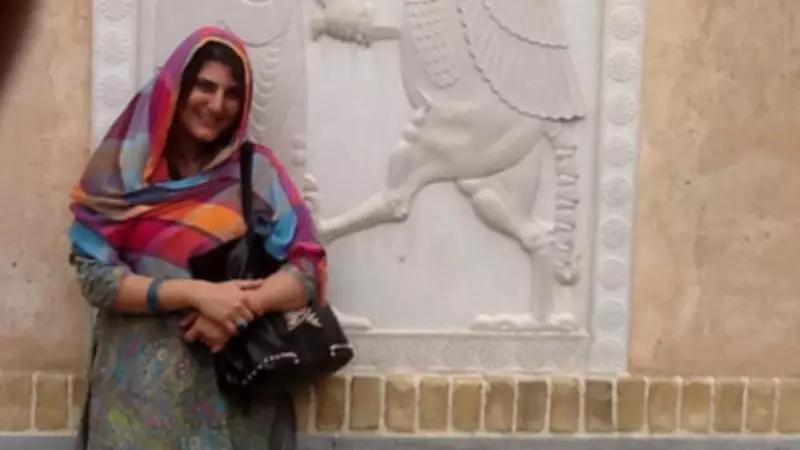
Mariam Abuhaideri, a storyteller, writer, and animal lover based in Pune, identifies herself as a Persian Ladki, a term that encapsulates her unique heritage as an Indian with Persian roots. When she visits relatives in Iranian cities like Tehran or Yazd, she experiences a profound emotional connection, yet often finds herself introduced as the Hindi girl, highlighting the Persian word for Indian. This duality fuels her mission to bridge the gap in awareness among Indians about Iran, a concern heightened by the limited public response to tensions in the region.
Addressing the Awareness Gap Through Storytelling
Abuhaideri is tackling this issue head-on with a series of storytelling and discussion sessions designed to trace Iran's rich history, culture, and its deep-rooted connections with India. "I can share the history and story behind what Iran was even before the Arab conquest and the many dynasties that ruled the country before the Islamic revolution of 1979," she explains. "We will bring alive the rich history and the connection we have with India so that it can be better understood." The series aims to foster a deeper appreciation of shared cultural legacies, moving beyond superficial perceptions.
Kickstarting with the Shahnameh Epic
The inaugural session on February 1 focuses on the Shahnameh, Iran's celebrated epic poem comprising nearly 60,000 verses, often compared to India's Ramayana. "Like we have the Ramayana in India, Iran has the Shahnameh," Abuhaideri notes. "Composed by Ferdowsi, the Shahnameh and the Ramayana by Valmiki are foundational epics of Persian and Indian culture, respectively, sharing common Indo-Iranian roots, mythological themes, and heroic narratives." Both epics explore themes of good versus evil, loyalty, and duty, serving as cultural and moral guides. Abuhaideri's extensive research on the Shahnameh drives her desire to introduce it to new audiences, particularly those unfamiliar with its significance.

Exploring Broader Themes in Subsequent Sessions
Throughout February, the series will delve into diverse topics, including:
- Iran before Islam: History of the pre-Islamic world (February 8), examining ancient civilizations and Zoroastrian influences.
- The rise of theocracy: What happens when faith becomes the state (February 15), addressing political and religious transformations.
- Iran and India: People, poetry, music, Parsis, and modern migrations (February 22), highlighting cultural exchanges and diaspora stories.
Abuhaideri hopes these discussions will answer common questions, such as inquiries about Zoroastrianism and the distinctions between Parsi and Iranian identities. "In a religiously polarised world, it is often forgotten that Iranian men once travelled to India by ship to trade," she points out, noting how many, like her great-grandfather Mahmoud Zaki, settled in India, bringing family members and establishing roots through ventures like Irani chai houses.
Cultural Immersion with Iranian Chai
At the sessions, guests will be served Iranian chai, a black tea pronounced as choee, without milk. This beverage symbolizes the adaptation and enrichment of Indian culture by Iranian migrants. Between sips, discussions will trace how these migrants contributed to India's poetry, music, and food traditions, creating a lasting legacy. Abuhaideri's personal anecdotes, such as being mistaken for a tourist in Rajasthan despite blending into Pune's markets, underscore the nuanced identity of Hindi-speaking Persians in India.
Her initiative not only revives forgotten links but also fosters cross-cultural dialogue, making it a timely effort in today's globalized yet often divided world. By connecting epic tales like the Shahnameh to everyday elements like chai, Abuhaideri's series promises to illuminate the enduring bonds between Iran and India, encouraging a more informed and empathetic perspective.