Portuguese Heritage Thrives in East Midnapore Village, Surnames Clear SIR Process
In the heart of East Midnapore, the village of Mirpur stands as a living testament to a unique chapter of Indian history, where Portuguese surnames have been passed down through generations for over 300 years. This remarkable legacy traces back to mercenaries from Goa who were hired by Rani Janaki Devi, creating a cultural fusion that endures to this day.
A Historical Connection Preserved Through Names
The residents of Mirpur proudly carry surnames such as Tesra and Rozario, direct links to their Portuguese ancestors who arrived in the region centuries ago. Despite their foreign lineage, these families have successfully navigated modern administrative processes, including the Systematic Identification of Residents (SIR) scrutiny, without compromising their voting rights. This demonstrates how historical identities can coexist with contemporary citizenship requirements.
Integration and Preservation of Cultural Identity
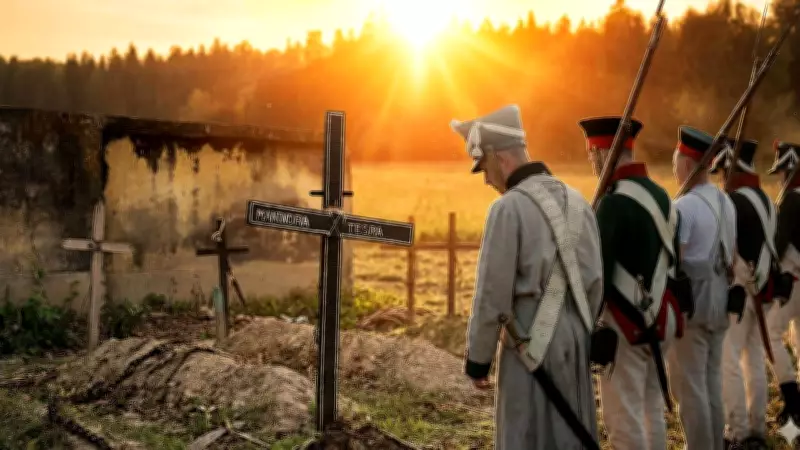
Over multiple generations, the families in Mirpur have seamlessly integrated into the local Bengali community while consciously preserving their distinctive Portuguese surnames. This dual identity reflects a broader narrative of cultural adaptation and resilience. The village cemetery serves as a poignant symbol of this heritage, with tombstones bearing Portuguese names that tell silent stories of migration, settlement, and cultural synthesis.

The Significance of the SIR Process and Voting Rights
The fact that these Portuguese-descended residents maintained their voting rights during the SIR process highlights important aspects of India's democratic and administrative frameworks. It underscores how historical minority communities are recognized and protected within the system, ensuring their participation in electoral processes despite non-indigenous origins. This case sets a precedent for how diverse heritages are accommodated in official documentation and civic life.
Broader Implications for Indo-Portuguese Historical Studies
Mirpur's story offers valuable insights into the lesser-known interactions between Portuguese and Indian histories, particularly in eastern India. The preservation of surnames like Tesra and Rozario provides anthropologists and historians with tangible connections to study patterns of:
- Cultural assimilation and identity retention over centuries
- Historical migration routes and mercenary employment in royal courts
- Linguistic preservation through naming conventions despite geographical displacement
- Community resilience in maintaining distinct heritage while integrating locally
This village represents a microcosm of India's rich, layered history where foreign influences have been absorbed and transformed into unique local traditions. The continued use of Portuguese surnames in Mirpur is not merely a historical curiosity but an active practice of cultural memory that challenges simplistic narratives of identity and belonging.