The Paradox of Pottery's Modern Resurgence
There exists a fascinating paradox in pottery's contemporary revival. At a time when digital screens dominate our attention, attention spans are shrinking, and virtual experiences seem all-consuming, an ancient craft rooted in clay, wheels, and human hands is quietly captivating new audiences worldwide. This very contradiction—where timeless tradition meets cutting-edge technology—forms the heart of pottery's compelling modern narrative.
Digital Platforms Fueling Traditional Craft
Across Instagram Reels, TikTok videos, livestream workshops, and online marketplaces, pottery is achieving what many traditional crafts only dream of: unprecedented visibility, vibrant community building, and fresh enthusiasm. This isn't merely nostalgic longing for simpler times; it represents a measurable increase in people discovering clay as a creative outlet, a source of tranquility, a professional pursuit, and even a sustainable livelihood.
The Tactile Antidote to Digital Overload
One of the most striking aspects of this renaissance is how pottery appeals directly to our physical senses in a pixel-saturated world. The process of shaping clay—feeling its weight, pliability, and temperature—offers a powerful antidote to endless scrolling and swiping. In a culture where much creativity remains intangible, pottery invites makers to create something tangible, functional, and uniquely personal.

This sensory engagement has become a significant topic within wellness and mental health communities. Amid growing concerns about burnout, anxiety, and chronic distraction, pottery is celebrated for grounding practitioners in the present moment. Kneading clay has evolved into a practice resembling meditation, offering rhythm, focus, and reduction of internal noise. For many enthusiasts, sharing their pottery journey online documents not just their creations but signals a deeper quest for balance between digital engagement and real-world experience.
Creators Building Communities Through Livestreams
While pottery techniques are ancient, their contemporary sharing methods are distinctly modern. Platforms like TikTok and Instagram have transformed this craft into a viral phenomenon. Videos featuring spinning wheels, clay manipulation, and glaze reveals regularly attract hundreds of thousands, sometimes millions of views. Creative individuals have built devoted followings by demystifying techniques: demonstrating how to center clay on wheels, trim pots effectively, or mix glazes perfectly.
This digital visibility has sparked widespread curiosity. Viewers who've never entered a pottery studio are now watching tutorials, practicing with affordable home kits, or seeking local classes. The internet has also fostered remarkable community building. Hashtags like #PotteryProcess and #MudLife serve as virtual meeting points where beginners share experiments, experienced ceramists offer tips, and everyone from hobbyists to aspiring professionals finds encouragement.
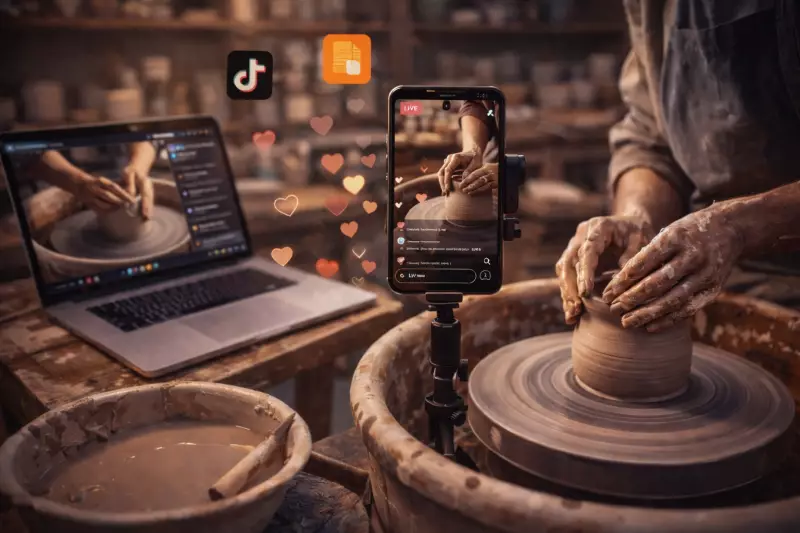
Livestreaming has added another dimension to this community. Studios and individual makers host real-time sessions where participants can watch processes unfold, ask questions, and feel part of shared creative experiences. In these digital spaces, geographical barriers dissolve—someone in Uttar Pradesh, India might learn techniques from a potter in Portland, USA, and vice versa. The collective presence of viewers creates unique momentum, fostering a sense of "being in the studio together" despite physical separation.
From Peaceful Hobby to Economic Opportunity
For some practitioners, pottery remains a calming hobby, while for others it has evolved into viable economic opportunities enabled by digital ecosystems. Online marketplaces like Etsy and Shopify allow makers to sell their creations globally. Instagram and Pinterest function as digital portfolios and advertising spaces. TikTok and YouTube provide visibility that previously required gallery exhibitions or craft fairs.

This digital infrastructure empowers potters to build distinctive brands around their craft. Some specialize in bespoke dinnerware sets, while others focus on sculptural art or functional items like mugs and planters. Many artists skillfully blend traditional techniques with contemporary aesthetics, catering to buyers seeking handmade pieces that feel both thoughtful and modern.
However, monetizing pottery presents certain challenges. Clay's weight and fragility make shipping logistics complex and expensive. Mastery requires significant time investment—often years—in a craft that can be unforgiving of mistakes. Yet digital tools are helping address these hurdles too. Makers share detailed tutorials that elevate overall skill levels, studios sell curated toolkits, and regional workshops coordinate drop-off and pick-up systems to ease shipping burdens.
The Future of Pottery in Our Digital World
What makes this moment particularly remarkable isn't merely pottery's growing popularity, but how digital culture has enriched the craft itself. While pottery traditionally thrived in local workshops, studios, and specialized schools, these physical spaces now coexist with and are enhanced by global conversations that encourage cross-pollination of ideas, techniques, and aesthetics.
Digital-age pottery doesn't replace hands-on practice but has become its powerful companion. The internet now serves simultaneously as classroom, gallery, marketplace, and community hub. For a craft born long before electricity, this represents an extraordinary transformation. Perhaps most poetically, clay itself remains a tangible reminder of our physical reality even as its story unfolds online. In shaping clay, we ultimately shape ourselves—engaging in quiet yet profound acts of creation that invite reflection, patience, and deeper understanding about craft, presence, and the meaningful art of slowing down.