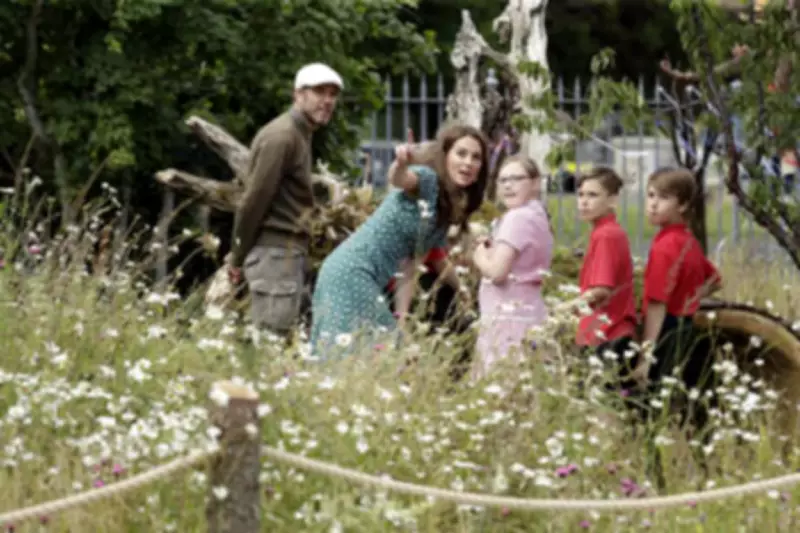
The 'Back to Nature' garden, co-designed by Catherine, Princess of Wales (then the Duchess of Cambridge), which was unveiled at the RHS Chelsea Flower Show in 2019, gained attention due to its unusual focus. While conventional gardens were meant to create spectacular visuals, this one was centred on the movement and interaction of children with outdoor environments. Specifically, the design featured elements associated with nature, including woodlands, logs, rough ground, and a stream and water features.
Design Philosophy: Play Over Perfection
The Back to Nature garden was conceived as a 'playful woodland oasis' intended to encourage families to engage with nature through interactive, child-friendly landscapes, according to Architectural Digest. It was designed to foster unstructured forms of play. Rather than providing equipment for structured physical activity, the garden featured natural elements that invited children to climb, balance, and explore through unscripted engagement with the environment. The Royal Horticultural Society described the garden as encouraging interactive, nature-based play. This type of design is consistent with contemporary views about landscape architecture and play. According to the theory of landscape architecture and play, loose parts such as the natural elements in a playground foster children's creative outdoor play.
Research on Nature and Play
Beyond interpretive studies about design, numerous academic reviews have examined the relationship between the natural environment and outdoor play by children. Research suggests that factors such as vegetation and uneven terrain can increase physical activity and play behaviour in children. However, studies related to the natural environment show that outdoor play opportunities have been decreasing over time, making the natural environment more important for play behaviour in children. Though these studies are hard to apply directly to measuring the impact of the Back to Nature garden, they help us understand why the garden receives much attention in the public forum.

Nature and Children's Well-Being
Connection with nature-based environments is also linked to psychological health. One meta-review analyses several studies involving children and young adults, showing the correlation between exposure to natural environments and positive signs related to mental well-being. This does not imply that one garden can prove measurable psychological benefits, but it places the theme of exposure to nature in connection with existing research, specifically in the context of stress relief through the restorative experience provided by outdoor settings. In this sense, the garden reflects existing ideas found in research on children's interaction with natural environments.
Time Spent in Nature and Broader Evidence
Additional scientific research concerns the relationship between time spent outdoors in natural settings and health outcomes. Studies have shown that individuals who spent at least 120 minutes in nature weekly reported better physical and mental health. While this study does not concern playgrounds in particular, it forms part of the body of evidence supporting the notion that contact with nature can be beneficial for overall well-being on a population-wide scale. As such, environments that facilitate outdoor experiences become an important factor in conversations about the daily lives of children.
Why the Garden Still Resonates
What makes the Back to Nature garden appealing even now is its simple nature. The garden did not depend on technological interventions but utilised natural elements in such a way that would make it conducive for children to walk around and play freely. These aspects are also related to the topics discussed in research concerning the environment as an influential factor in outdoor activities and games in early years. The cultural significance of the garden is also based on the message it sends in relation to children's interaction with nature. By creating a natural and family-friendly setting at the big floral exhibition, the garden served as a platform for further discussion on the significance of spending time outdoors in childhood.