Progressive Writers' Association Celebrates 90 Years of Literary Activism
In the mid-1930s, at writer Sajjad Zaheer's home in Lucknow, a group of writers was engaged in conversation when one individual unrolled a prayer mat to offer namaz. The progressives, many of whom were not practising Muslims, expressed surprise at this act. Zaheer responded with calm wisdom, stating, "If someone finds peace in prayers, why should it disturb others? He still remains a progressive." This moment of tolerance and inclusivity became a defining characteristic of the Progressive Writers' Association (PWA), which celebrated its 90th anniversary on Friday.
Founding and Historical Context
The PWA was established in 1936 by four friends—Sajjad Zaheer, Mohammed Deen Taseer, Mulk Raj Anand, and Ahmed Ali—who met in London in 1935. Their vision was to create a writers' association dedicated to fighting fascism and British colonial rule in India. On April 10, 1936, during the inaugural conference in Lucknow, author Munish Premchand presided and declared, "We have to change the criteria of art." This statement articulated a long-felt need to liberate literature from themes of love and romance, transforming it into a powerful vehicle to oppose oppression and social injustice.
Influence on Arts and Culture
The progressive movement quickly gained momentum, influencing a generation of writers and poets. Nadira Zaheer Babbar, theatre director and daughter of Sajjad Zaheer, emphasized the association's ongoing relevance, stating, "The biggest relevance of PWA is that we are faced with polarisation in our society and PWA members must fight it." The movement extended beyond literature into other art forms. In 1943, the Indian People's Theatre Association (IPTA) was formed, serving as a stage wing for progressive ideals and making Bombay a magnet for artists and intellectuals.

Javed Siddiqui, a veteran scriptwriter and former vice-president of IPTA, recalled how the Red Flag Hall in Khetwadi, the local headquarters of the Communist Party of India, became a hub for progressive writers. "I was 17 when I came to Mumbai and would mostly watch the likes of Kaifi Azmi, Sahir Ludhianvi, and Khwaja Ahmed Abbas discuss a lot of things," he said. Later, Kaifi Azmi's home in Juhu, known as Janki Kutir, also hosted such meetings, fostering a sense of community.
Community and Legacy
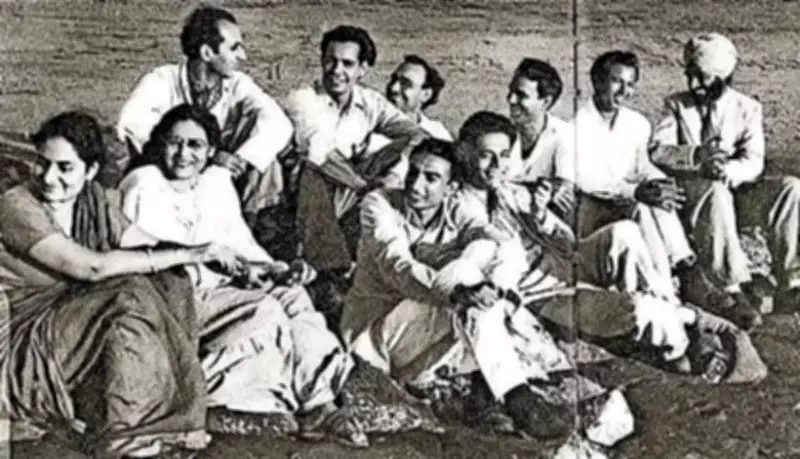
Shaukat Kaifi, actor and wife of poet-lyricist Kaifi Azmi, once described how progressives bonded by sharing meals and singing revolutionary songs at their gatherings. Over endless cups of tea, these idealists discussed literary giants like Dostoevsky, Chekhov, and Gorky, dreaming of a new dawn for society. Their hope and dedication have sustained the association through the decades.
Sukhdev Singh Sirsa, PWA's general secretary, noted that the association continues to hold meetings, stage plays, organize book readings, and host poetry recitations. Charul Joshi, coordinator for the 90th-anniversary event held in Parel on Saturday, added, "Our strength lies in the values we progressives abide by. Many of us may not be there when PWA turns 100, but our fight will continue."
Enduring Relevance
As the Progressive Writers' Association marks this milestone, its legacy of tolerance, resistance, and artistic innovation remains more pertinent than ever. In an era marked by societal polarization, the PWA's commitment to using literature as a tool for social change continues to inspire new generations of writers and activists, ensuring that its fight for justice and equality endures well into the future.