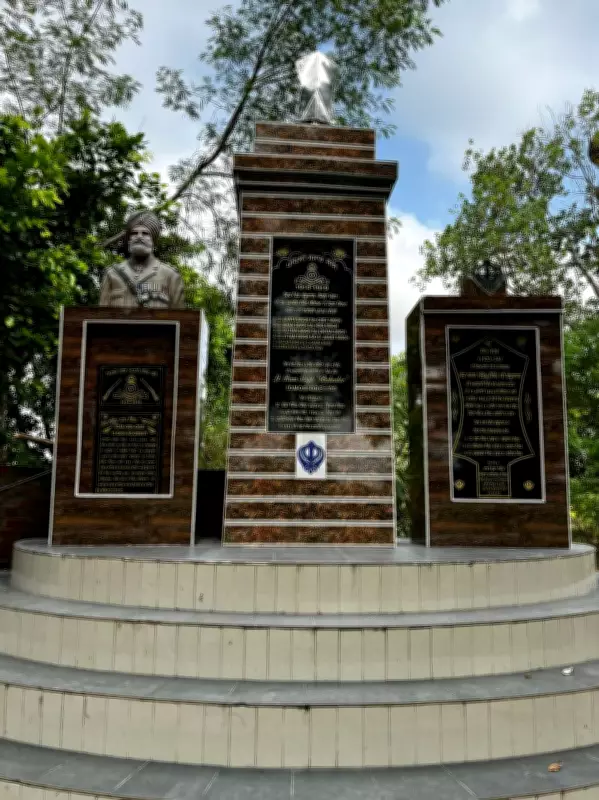
From Punjab's Villages to World War Valor: Tracing the Heroic Journey
The annals of global history are often dominated by tales from major cities and powerful nations, but a profound narrative of courage and sacrifice emerges from the humble villages of Punjab. This region, known for its rich agricultural heritage and vibrant culture, also holds a remarkable legacy of valor during the World Wars. Thousands of men from rural Punjab answered the call to arms, leaving their fields and families to fight on distant battlefields, where their bravery left an indelible mark on world events.
The Call to Arms from Rural Punjab
During the early 20th century, as World War I and later World War II engulfed the globe, the British Empire actively recruited soldiers from its colonies, including India. Punjab, with its martial traditions and robust population, became a key source of troops. Villages across the region saw young men enlist in large numbers, driven by a mix of economic incentives, loyalty to the crown, and a deep-seated sense of duty. These recruits, often from farming backgrounds, underwent rigorous training before being deployed to fronts in Europe, Africa, and Asia.
Their journey was not just physical but also cultural, as they navigated unfamiliar terrains and languages. Despite these challenges, Punjabi soldiers distinguished themselves through their resilience and combat skills. They served in various capacities, from infantry and cavalry to support roles, and their contributions were crucial in several pivotal battles. For instance, in World War I, Punjabi regiments played significant roles in campaigns like the Gallipoli and the Western Front, earning accolades for their steadfastness under fire.

Stories of Bravery and Sacrifice
The valor of these soldiers is etched in countless personal stories that have been passed down through generations. Many fought with extraordinary courage, facing harsh conditions and formidable enemies. Tales of heroism include soldiers who charged enemy lines without hesitation, medics who saved lives under fire, and leaders who inspired their units in the face of overwhelming odds. Their sacrifices were immense, with many making the ultimate sacrifice far from home, their graves scattered across war cemeteries worldwide.
Beyond the battlefield, these experiences had a lasting impact on the soldiers and their communities. Returning veterans brought back stories of global conflicts, broadening horizons in rural Punjab and fostering a sense of connection to world affairs. However, the wars also left scars, with families mourning lost loved ones and communities grappling with the psychological toll of conflict. Memorials and oral histories in Punjab villages today serve as poignant reminders of this era, preserving the memory of those who served.
Legacy and Recognition in Modern Times
In recent years, there has been a growing effort to acknowledge and honor the contributions of Punjabi soldiers in the World Wars. Historians and researchers are delving into archives to uncover more details about their service, while documentaries and books are bringing these stories to a wider audience. Initiatives like war memorials in Punjab and commemorative events help keep their legacy alive, ensuring that future generations remember their bravery.
This recognition extends beyond local circles, as global historians increasingly highlight the role of colonial troops in shaping 20th-century conflicts. The journey from Punjab's villages to world war valor underscores a broader narrative of how ordinary people from diverse backgrounds can influence history. It also raises important discussions about colonialism, identity, and the human cost of war, making it a relevant topic for contemporary reflection.
As we trace this road from rural Punjab to global battlefields, we are reminded of the universal themes of courage, sacrifice, and resilience. The stories of these soldiers not only enrich our understanding of history but also inspire us to appreciate the unsung heroes who have shaped our world. Their legacy continues to resonate, bridging past and present in a testament to the enduring spirit of Punjab.