Ramakrishna Paramhansa: The 19th Century Spiritual Luminary of Bengal
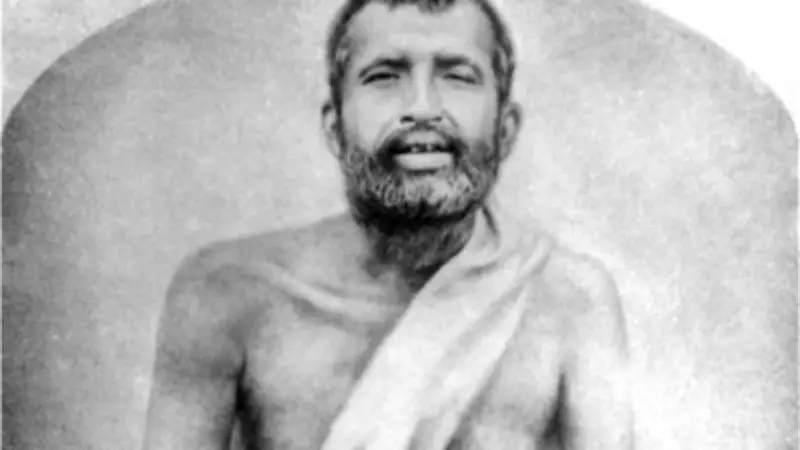
Ramakrishna Paramhansa stands as one of the most revered Hindu saints and spiritual leaders of the 19th century, originating from Bengal and serving as the guru to the legendary Swami Vivekananda. He was an ardent devotee of Goddess Kali and immersed himself in diverse Hindu spiritual traditions including Tantra, Bhakti, and Advaita Vedanta, synthesizing these paths into a comprehensive spiritual philosophy.
Essential Life Lessons from Ramakrishna Paramhansa
The Paramount Value of Devotion
Although Sri Ramakrishna explored multiple spiritual avenues throughout his life, he maintained a profound predisposition toward bhakti and unconditional love for the divine. He consistently encouraged his followers to nurture a personal, intimate relationship with God through dedicated devotion, heartfelt prayer, and sincere worship practices.
The Fundamental Harmony of All Faiths
According to Ramakrishna's enlightened perspective, all genuine religions represent valid paths leading to the same ultimate destination. He urged his disciples and followers to deeply value and respectfully recognize the distinctive qualities and approaches of various religious traditions while understanding their underlying unity.

The Transformative Power of Mantra Repetition
Ramakrishna taught that repeating sacred mantras serves as a powerful catalyst for spiritual enlightenment and divine connection. He advised his followers to carefully select an appropriate mantra and engage in its regular, focused repetition as a foundational spiritual practice.
The Critical Significance of Discrimination
Spiritual discrimination, according to Ramakrishna's teachings, represents an essential component of spiritual development and growth. He emphasized the importance of distinguishing between the real and the unreal, the eternal and the temporary, as a necessary step toward comprehending the true nature of the self and ultimate reality.
The Guiding Role of the Spiritual Teacher
Despite serving as a guru to numerous disciples, Sri Ramakrishna Paramahansa never claimed personal credit for anyone's spiritual progress. He maintained that a genuine guru primarily provides guidance and direction, while true realization must emerge from within the seeker. He frequently illustrated this concept with the metaphor: "The guru is like a matchstick; he lights the fire, but the wood must burn."
The Path of Unconditional Love
Ramakrishna taught that love represents the purest and most elevated form of devotion, serving as a guiding light toward God, all living beings, and one's true self. He consistently urged people to cultivate compassion and unconditional love within their hearts as fundamental spiritual qualities.
The Essential Practice of Concentration
According to Ramakrishna's teachings, concentration stands as a crucial spiritual exercise that helps maintain mental focus and clarity. Through meditation and various concentration techniques, he motivated his disciples to systematically strengthen their capacity for sustained focus and attention.
The Illusory Nature of Maya
Ramakrishna taught that the material world, being temporary and impermanent, does not represent ultimate reality but rather constitutes an illusion (maya). He encouraged spiritual seekers to develop a detached attitude toward worldly pleasures and attachments while striving to understand the true nature of this cosmic illusion.
The Ultimate Goal of Human Life
Knowing the divine power and walking steadfastly on the spiritual path represent, according to Ramakrishna, the supreme objectives of human existence. He encouraged his followers to prioritize spiritual realization above all other pursuits and to work with diligence and devotion toward this transcendent goal.
The Eternal Nature of the True Self
Ramakrishna taught extensively about the eternal soul (atman), which he identified as being essentially one with the divine, representing our ultimate self beyond the temporary body and mind. He encouraged spiritual practitioners to engage in various spiritual activities, particularly meditation, to directly experience and realize this fundamental truth of existence.