The Spiritual and Cultural Hub of Urdu Bazaar During Ramzan
As the holy month of Ramzan unfolds, Urdu Bazaar transforms into a bustling epicenter of faith, commerce, and cultural exchange. This historic market, steeped in tradition, becomes a vibrant tapestry of life, where the rhythms of daily fasting and evening feasts intertwine with the lively hum of shoppers and sellers. The air is thick with the aromas of spices, sweets, and savory dishes, creating an immersive experience that goes beyond mere shopping to embody the very spirit of the season.
A Marketplace Steeped in History and Tradition
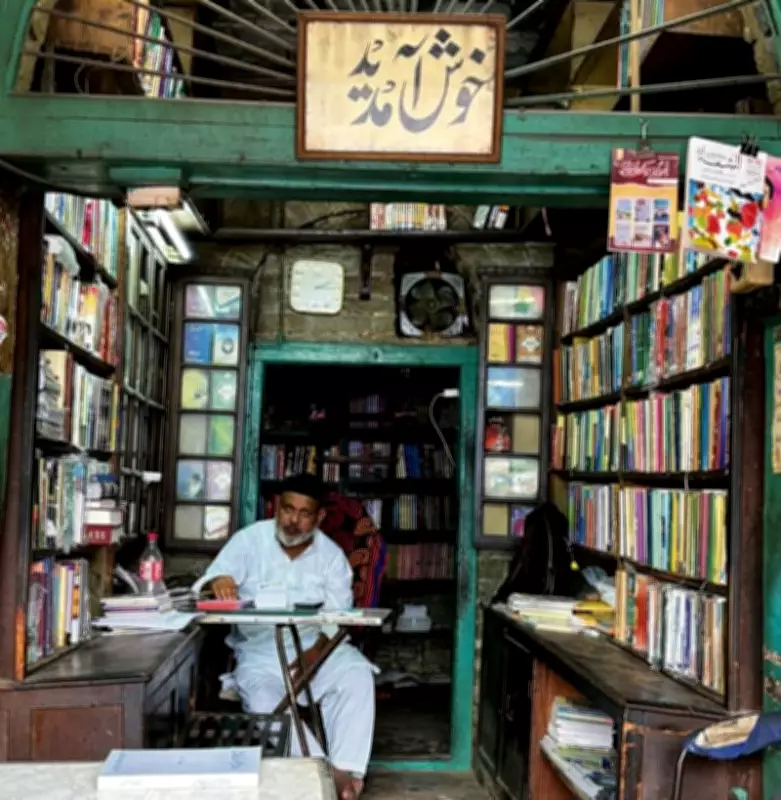
Urdu Bazaar has long been more than just a commercial space; it is a living repository of cultural heritage. During Ramzan, its significance deepens as it serves as a communal gathering point for Muslims and others alike. Stalls overflow with traditional items such as dates, prayer mats, attar (perfumes), and intricately designed lanterns, each symbolizing aspects of the holy month. The market's narrow lanes, often adorned with festive decorations, echo with calls to prayer and the chatter of families preparing for iftar, the evening meal that breaks the fast.
This annual transformation highlights how Urdu Bazaar acts as a bridge between past and present, preserving customs while adapting to modern times. Vendors, many from generations-old families, share stories and recipes, fostering a sense of continuity and belonging. The economic activity surges during this period, with sales of religious texts, clothing, and food items peaking, yet the focus remains on the spiritual and social dimensions of Ramzan.

The Social Fabric of Community and Celebration
Beyond its economic role, Urdu Bazaar plays a crucial part in strengthening community bonds during Ramzan. It becomes a space for charity, with many stalls offering free food or discounts to those in need, reflecting the Islamic principles of generosity and compassion. The evenings are particularly magical, as the market lights up with strings of bulbs and the sound of laughter and conversation fills the air. Families and friends gather to shop, share meals, and participate in cultural events, making it a hub of social interaction and mutual support.
This communal aspect is vital, as it reinforces shared values and traditions in an increasingly fast-paced world. The market's atmosphere during Ramzan—marked by patience, reflection, and joy—serves as a reminder of the deeper meanings behind the fasting and festivities. It is a time when differences fade, and people come together to celebrate their faith and heritage, creating memories that last long after the month ends.
Preserving Identity in a Changing World
In today's globalized era, places like Urdu Bazaar face challenges from modernization and shifting consumer habits. However, its resilience during Ramzan underscores its enduring importance as a cultural landmark. Efforts to maintain its traditional character, such as promoting local artisans and hosting cultural workshops, help ensure that it remains a vibrant part of the community. The market's ability to blend old-world charm with contemporary relevance makes it a unique symbol of cultural preservation.
As Ramzan concludes with Eid celebrations, Urdu Bazaar's role shifts but its legacy endures. It stands as a testament to how markets can be more than economic centers—they can be living, breathing embodiments of history and identity. By fostering connections and celebrating traditions, Urdu Bazaar continues to inspire and unite people, making it an indispensable part of the Ramzan experience for generations to come.