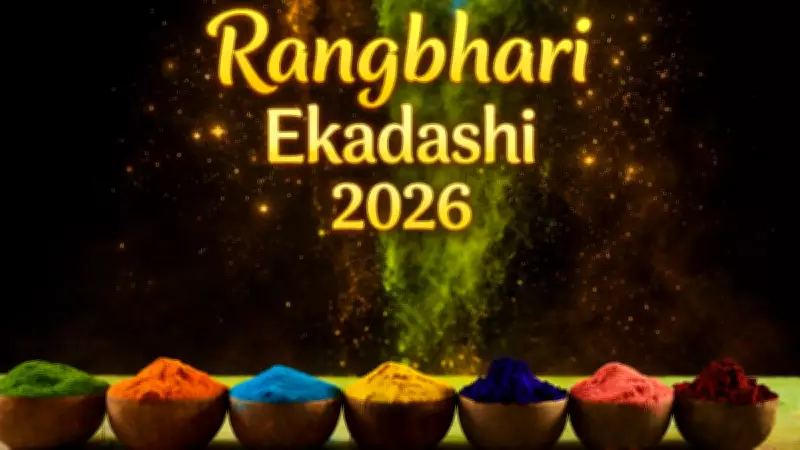
Rangbhari Ekadashi 2026: A Sacred Celebration of Devotion and Rituals
Rangbhari Ekadashi, a revered Hindu festival, is set to be observed on February 23, 2026, marking a day of deep spiritual significance dedicated to Lord Vishnu and Goddess Tulsi. This auspicious occasion, also known as Phalguna Shukla Ekadashi, falls during the bright fortnight of the Phalguna month in the Hindu lunar calendar, symbolizing purity, devotion, and the renewal of faith.
Date and Auspicious Muhurat for Rangbhari Ekadashi 2026
The precise timing for Rangbhari Ekadashi in 2026 is crucial for devotees to perform rituals with maximum spiritual benefit. According to astrological calculations, the Ekadashi tithi begins at 11:58 PM on February 22, 2026, and concludes at 02:17 AM on February 24, 2026. The most auspicious period for worship, known as the Parana time, is recommended after sunrise on February 24, ensuring adherence to traditional practices that enhance the festival's sanctity.
Rituals and Traditions Associated with Rangbhari Ekadashi
Rangbhari Ekadashi is characterized by a series of devout rituals that emphasize spiritual cleansing and devotion:

- Fasting (Vrat): Devotees observe a strict fast from sunrise to sunset, abstaining from food and water to purify the body and mind, seeking blessings from Lord Vishnu.
- Tulsi Puja: Central to the celebrations, worshippers perform special prayers and offerings to the Tulsi plant, considered sacred and an embodiment of Goddess Lakshmi, to invite prosperity and harmony.
- Lord Vishnu Worship: Rituals include chanting Vishnu mantras, reading scriptures like the Bhagavad Gita, and offering flowers, fruits, and sweets to idols or images of Lord Vishnu.
- Charity and Donations: It is customary to donate food, clothes, or money to the needy, reflecting the festival's themes of compassion and selflessness.
Significance of Tulsi in Rangbhari Ekadashi Celebrations
The Tulsi plant holds profound importance during Rangbhari Ekadashi, symbolizing divine protection and spiritual growth. Devotees engage in rituals such as watering the plant, lighting lamps around it, and circumambulating it while chanting prayers. This practice is believed to ward off negative energies, promote health, and strengthen familial bonds, making it a cornerstone of the festival's observances.
Spiritual and Cultural Impact of Rangbhari Ekadashi
Beyond its religious aspects, Rangbhari Ekadashi fosters community cohesion and cultural heritage. Families come together to perform rituals, share meals after breaking the fast, and participate in bhajans or spiritual discourses. The festival serves as a reminder of Hindu values like discipline, faith, and reverence for nature, contributing to personal well-being and societal harmony.
In summary, Rangbhari Ekadashi 2026 on February 23 offers a meaningful opportunity for spiritual reflection and ritual observance. By adhering to the prescribed date, muhurat, and traditions involving Tulsi and Lord Vishnu, devotees can immerse themselves in a day of devotion that enriches their spiritual journey and cultural identity.