Record-Breaking Sale of Raja Ravi Varma Masterpiece Signals Indian Art Market Transformation
The Indian art landscape has experienced a monumental shift with one of its most iconic paintings achieving an unprecedented valuation at auction. Yashoda and Krishna, a celebrated work by legendary artist Raja Ravi Varma, was recently sold for approximately $18 million (around ₹167 crore), establishing a new benchmark that reflects the escalating global fascination with Indian artistic heritage.
Historic Auction Through Saffronart Attracts Intense Bidding
The landmark transaction occurred through the prestigious auction house Saffronart, where the painting generated substantial competitive interest from multiple bidders. After a spirited bidding process, the masterpiece was ultimately acquired by prominent industrialist Cyrus S. Poonawalla. While the financial magnitude of this sale has captured widespread attention, this development simultaneously illuminates deeper transformations in how Indian art is being evaluated and appreciated within international cultural and financial markets.
A Masterpiece of Cultural and Artistic Significance
Created during the 1890s—a period widely recognized for producing some of Varma's most distinguished works—Yashoda and Krishna poignantly captures the profound emotional connection between the infant deity Krishna and his foster mother Yashoda. The painting exemplifies Varma's signature artistic approach, which masterfully blends elements of European realism with traditional Indian mythological narratives.

The rarity of original Varma works, particularly those available in private collections, significantly enhances their importance within the art market ecosystem. Beyond its considerable artistic merit, this painting carries substantial cultural weight, representing themes and narratives that are deeply embedded within Indian spiritual and cultural traditions.
Evolving Dynamics in the Global Art Market
This record-setting sale powerfully demonstrates how Indian art is increasingly being perceived not merely as cultural heritage but also as a legitimate and valuable asset class. Several key trends are driving this transformation:
- Growing participation from international collectors and investors
- Enhanced global awareness and appreciation of Indian artistic traditions
- Improved authentication and provenance verification processes
- Increasing recognition of art as a strategic investment vehicle
As Indian artworks gain greater visibility beyond domestic markets, their valuation is becoming increasingly influenced by multiple factors including:
- Rarity and availability in the market
- Historical context and artistic significance
- Cultural relevance and narrative depth
- Provenance and exhibition history
The Growing Imperative for Professional Art Valuation
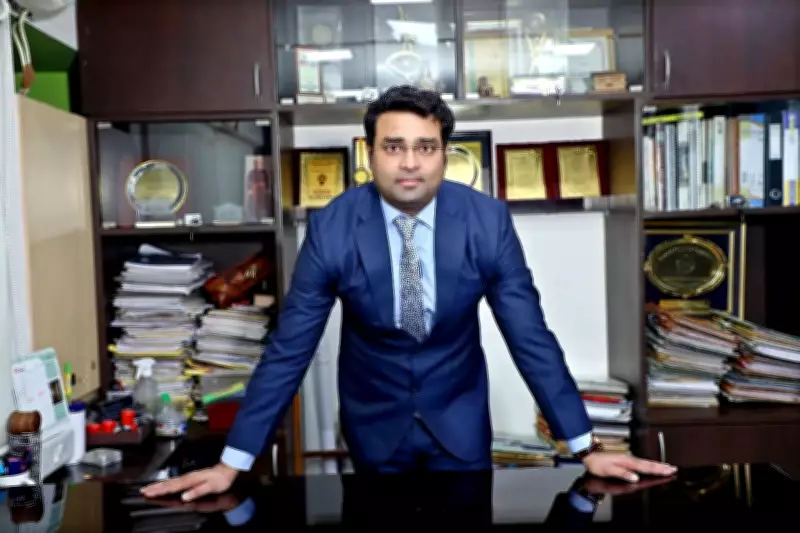
As the Indian art market continues its expansion trajectory, experts emphasize the critical need for structured and professional valuation methodologies. According to Nitesh Shrivastava, a government-approved art valuer, the industry is gradually transitioning toward more scientific and standardized approaches in artwork assessment.
"In today's evolving market environment," Shrivastava noted, "art is no longer collected exclusively for personal enjoyment or cultural appreciation. It has firmly established itself as a recognized financial asset within diversified investment portfolios. Implementing proper valuation practices helps build essential transparency and trust, particularly as more high-net-worth individuals and institutional buyers enter this space."
Broader Implications for Indian Art's Global Standing
While the extraordinary price achieved by Yashoda and Krishna has generated considerable discussion, it also represents a broader movement within the global art ecosystem. Indian art is progressively gaining recognition alongside other established international markets, supported by:

- Increasing collector demand across multiple geographies
- Evolving investor interest in alternative assets
- Enhanced institutional support and museum exhibitions
- Greater academic and critical engagement
For Raja Ravi Varma—whose artistic legacy continues to profoundly influence Indian visual culture—this landmark sale underscores his enduring relevance more than a century after his most productive period. More broadly, it signals an important phase where cultural significance and financial value are becoming increasingly interconnected within the global art ecosystem, creating new opportunities and challenges for collectors, investors, and cultural institutions alike.