On the death anniversary of Nek Chand Saini on June 12, we recall the unlikely connection between Chandigarh's Rock Garden and the Magic Gardens in Philadelphia, USA. The Magic Gardens is a vast arts centre entirely covered in intricate mosaics, created by artist Isaiah Zagar.
The Inspiration Behind Magic Gardens
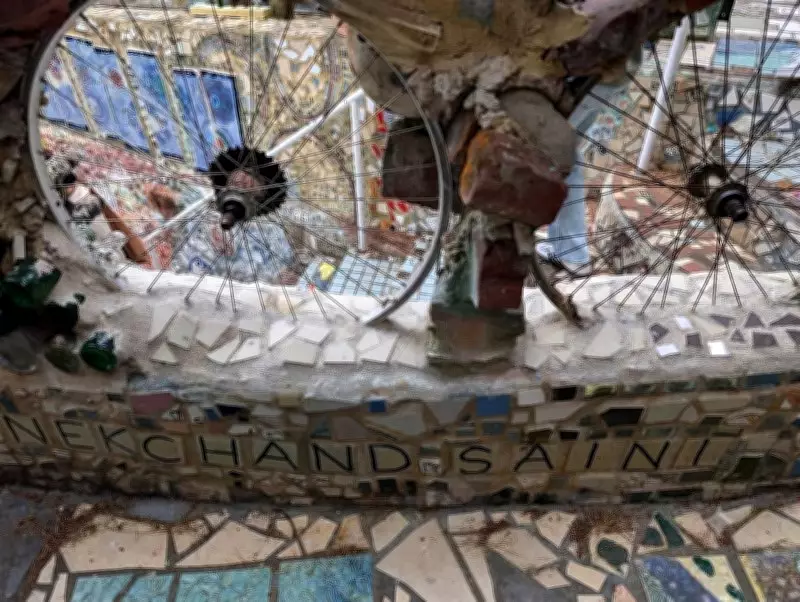
Nek Chand, a self-taught artist, built the world-famous Rock Garden in Chandigarh using discarded glass, bangles, ceramic shards, and river stones. This iconic monument of modern folk art inspired Isaiah Zagar, one of Philadelphia's most influential public artists. After visiting the Rock Garden, Zagar decided to transform an abandoned space in south Philadelphia into a similar wonderland. Over 14 years, he worked painstakingly, turning the area into a sprawling labyrinth of mosaic courtyards, waterfalls, and secret gardens filled with scrap figurines.
Nek Chand's Visit and 'Sheesh Mahal'
Zagar invited Nek Chand to Philadelphia to see his folk art museum, which he called Magic Gardens. Nek Chand was so impressed that he nicknamed it 'Sheesh Mahal' (palace of mirrors). The gardens feature old bicycle tyres, tiles, and cracked mirrors sculpted into rocks, creating a visual diary with self-portraits of Zagar and his family.

Similarities in Design and Philosophy
Both gardens are designed like mazes with narrow passageways, small caves, and unexpected courtyards. Mirrors in Magic Gardens are angled so reflections change with light and coloured bottles. Both artists believed art should be public. Zagar said, "Art should not be segregated in museums: it needs to live free among us." Nek Chand shared this vision. Both faced threats of demolition—Rock Garden for being on unauthorised land, and Magic Gardens due to a vacant lot sale—but public admiration and tourism ensured their survival.
Cultural Stories in Art
Each garden tells cultural stories. Magic Gardens includes artefacts from Latin America, Mexico, and Peru, reflecting Philadelphia's Mexican community. Rock Garden uses broken glass bangles, a common accessory in North India, and river stones, which Nek Chand considered living things connecting the garden to Chandigarh's natural landscape before urbanisation.
Relevance Today
Rajnish Walia of the Indian Institute of Architects (Punjab Chapter) notes, "The purest form of architecture is where designs work with nature rather than against it. Both men shared the same vision of celebrating public spaces sustainably." In an age of climate concerns and resource scarcity, the legacies of Nek Chand and Isaiah Zagar feel more relevant than ever.