Dutch Shipwreck Rooswijk Uncovered After Nearly Three Centuries
In a remarkable archaeological breakthrough, the wreck of the Dutch East India Company (VOC) merchant ship Rooswijk has been discovered off the coast of England, nearly 280 years after it sank during a fierce winter storm in 1740. The find was made by Historic England and the Cultural Heritage Agency of the Netherlands (RCE), unveiling a treasure trove of historical artefacts that include rare silver coins and uniquely preserved human remains.
The Tragic Final Voyage of the Rooswijk
To fully appreciate the significance of this discovery, it is essential to delve into the ship's high-stakes final moments. The VOC ship Rooswijk embarked on its last journey on 1 January 1740, departing from the Netherlands bound for Batavia, now known as Jakarta. On board were 237 people and a valuable cargo of silver bars and coins, worth hundreds of thousands of guilders at the time—equivalent to millions of pounds in today's currency.
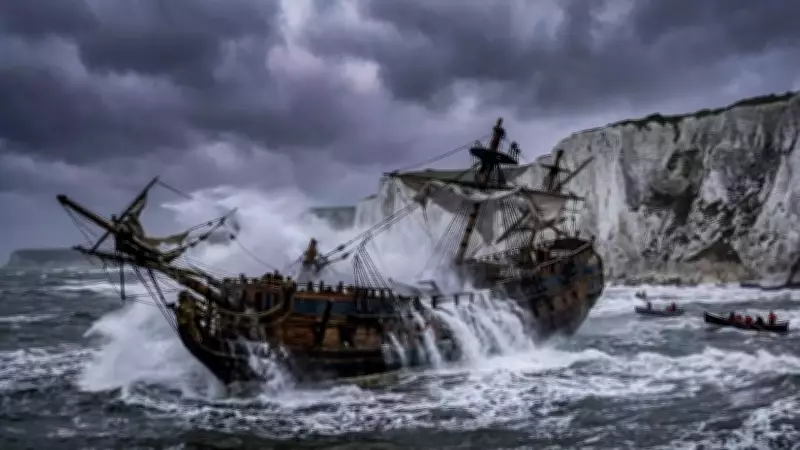
Tragically, less than 24 hours into the voyage, on 2 January, the Rooswijk encountered the treacherous Goodwin Sands off the coast of Kent, England. During a devastating winter tempest, the ship was swallowed by the sands, leading to the loss of all lives on board. The vessel then became buried under the shifting sands of the Goodwin Sands, which acted as a natural preservative, keeping it almost perfectly intact for centuries.

Archaeological Marvels: Silver Bones and Isotope Analysis
Among the most astonishing finds are human remains that have taken on a silver-plated appearance, dubbed 'silver bones' by researchers. This phenomenon occurred because the bodies were interred with chests of valuable silver coins, creating an environment where silver oxidised in salt water over hundreds of years. This chemical leaching process infused the bone structure with metallic colouring, offering a rare glimpse into long-term interactions between organic materials and precious metals.
Using advanced isotope analysis, archaeologists are now working to identify the origins of these individuals. Preliminary findings suggest that many were not Dutch but likely European mercenaries, highlighting the diverse crew composition typical of VOC voyages during that era.
A Sealed Chest and Hidden Secrets
Divers recovered a small, tightly sealed wooden chest from the wreckage, which may hold secrets distinct from the larger government-owned silver trunks. Such small trunks were often used by crew members for private business dealings, potentially containing personal items like letters, jewellery, or illicit trade goods.
To preserve the fragile wooden structure, researchers have employed X-ray technology and CT scanning to examine the contents without opening the chest. This non-invasive approach could reveal intimate details about the lives and transactions of those aboard, shedding light on the clandestine aspects of maritime trade in the 18th century.
Global Significance and Preservation Efforts
The Rooswijk wreck is a global treasure, with its 'pillar dollars' serving as evidence of an early interconnected economy. However, the site remains vulnerable due to sand movement and the threat of illegal souvenir diving. The ongoing project by Historic England represents a race against time to safeguard this historical gem from further deterioration by the ocean.
This discovery not only enriches our understanding of maritime history but also underscores the importance of preserving underwater cultural heritage for future generations.