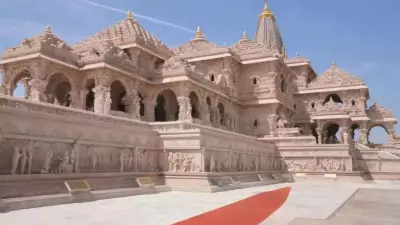
In a significant move for religious and heritage infrastructure, the Paschim Maharashtra Devasthan Samiti (PMDS) has officially launched major development works for two of Maharashtra's most revered sites: the Mahalaxmi Temple in Kolhapur and the Jyotiba Temple hill. The ambitious projects, backed by a combined fund approval of over Rs 1,705 crores, commenced on Tuesday, marking a new chapter in the preservation of these historic landmarks.
Massive Funding for Heritage Conservation
The financial scale of the initiative is substantial. A fund of over Rs 1,445 crores has been sanctioned specifically for the comprehensive development plan of the Mahalaxmi Temple. For the Jyotiba Temple development, an approved fund of Rs 260 crore has been allocated. The work has been divided into phases to ensure systematic execution.
For the Mahalaxmi Temple, the first phase will focus on conservation works valued at Rs 143.90 crore. Out of this significant amount, projects worth more than Rs 34 crore are earmarked specifically for enhancements within the temple premises itself. Similarly, for the Jyotiba Temple hill development plan, first-phase conservation works worth Rs 33.9 crore have been initiated.

Strict Timelines and Expert Oversight
The contractors assigned to these prestigious projects are working against a strict deadline. They have been given 18 months to complete the first phase of the Mahalaxmi temple work. The timeline for completing the initial phase of the Jyotiba hill development plan is set at 24 months (2 years).
District Collector and PMDS Administrator, Amol Yedge, emphasized the focus on preservation. "Preservation and conservation related works will be carried out in both these projects under first phase works," he stated. He confirmed that all activities will be conducted under the expert supervision of the state archaeological department to maintain historical authenticity and structural integrity.
The selection process for contractors was meticulous. Tenders were invited exclusively from contractors on the pre-approved list of the state archaeological department. Following this process, contractors have been finalized and official work orders have been issued, setting the stage for the physical work to begin on the ground.
Restoring Original Grandeur
The core objective of the first phase is conservation. This involves a detailed process to restore the temples to their original splendor. According to the plan, all broken or damaged sections of the temple structures will be carefully renovated. Furthermore, a key part of the restoration will involve the removal of all non-original paints and colors applied to the temple areas over time.
The ultimate goal is to strip away these later additions and reveal and restore the original, natural appearance of the temple stonework and architecture. This approach ensures that the spiritual and historical essence of these sacred sites is preserved for future generations while upgrading the facilities for current devotees.
The launch of these parallel development plans represents one of the most substantial investments in religious heritage infrastructure in the region recently. It underscores a commitment to blending spiritual tradition with modern conservation science, ensuring these iconic temples continue to be pillars of faith and culture in Maharashtra.