Russian Artist Faces Severe Backlash for Painting Elephant Pink in Rajasthan Photo Shoot
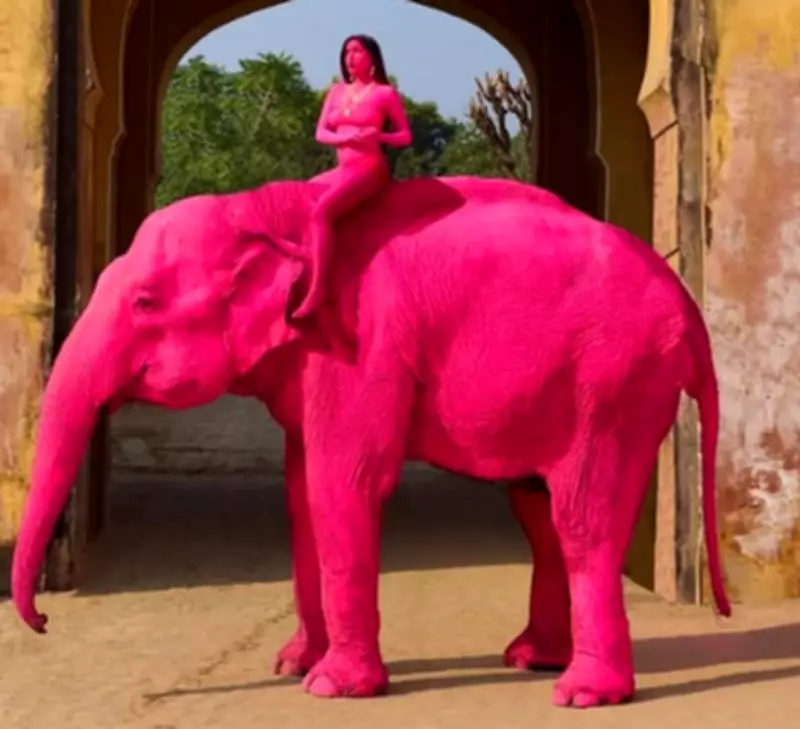
A Russian artist has ignited a firestorm of controversy and severe backlash after painting an elephant pink for a photo shoot in the Indian state of Rajasthan. The incident, which occurred recently, has drawn sharp criticism from animal rights activists, local authorities, and the public, raising serious concerns about animal welfare and ethical treatment.
Details of the Controversial Photo Shoot
The artist, whose identity has not been fully disclosed in initial reports, conducted the photo shoot in Rajasthan, a region renowned for its rich cultural heritage and wildlife. During the session, the elephant was reportedly painted entirely pink using non-toxic, washable paint, as part of an artistic endeavor aimed at creating visually striking images. However, this act quickly escalated into a major controversy, with many condemning it as a form of animal exploitation and cruelty.
Witnesses and sources indicate that the photo shoot was organized without proper permissions or regard for the elephant's well-being. The animal was subjected to the painting process, which involved covering its skin with pink pigment, potentially causing stress, discomfort, or health issues. This has led to widespread outrage, with critics arguing that such practices prioritize artistic expression over the dignity and safety of animals.

Backlash from Animal Rights Activists and Authorities
Animal rights organizations have been at the forefront of the backlash, vehemently protesting the incident. Activists have labeled the act as unethical and harmful, emphasizing that elephants are sentient beings that should not be used as props for human entertainment or art. They have called for strict action against those involved, including potential legal penalties under India's wildlife protection laws, which safeguard animals from mistreatment.
Local authorities in Rajasthan have also responded swiftly to the controversy. Officials have launched an investigation into the matter, seeking to determine whether any laws were violated during the photo shoot. Preliminary reports suggest that the artist and organizers may face charges related to animal cruelty or unauthorized use of wildlife, highlighting the legal ramifications of such actions in India.
Public Reaction and Social Media Outcry
The incident has sparked a massive public outcry, particularly on social media platforms, where users have expressed their anger and disappointment. Hashtags related to the pink elephant and the Russian artist have trended, with many calling for boycotts of the artist's work and demanding accountability. The backlash underscores a growing global awareness and sensitivity towards animal rights issues, especially in contexts involving exotic or endangered species.
In Rajasthan, where elephants hold cultural and religious significance, the reaction has been particularly strong. Locals and conservationists have voiced concerns that such incidents could harm the state's reputation and undermine efforts to protect wildlife. They stress the need for greater vigilance and enforcement of regulations to prevent similar occurrences in the future.
Broader Implications for Art and Animal Welfare
This controversy raises important questions about the boundaries between art and ethics. While artistic freedom is valued, it often clashes with animal welfare principles, leading to debates over what constitutes acceptable practice. Experts suggest that artists should seek ethical alternatives, such as using digital effects or models, to avoid harming animals. The incident serves as a cautionary tale for creatives worldwide, emphasizing the importance of considering the impact of their work on living beings.
Moreover, the backlash highlights the role of public awareness in holding individuals and organizations accountable for unethical behavior. As animal rights movements gain momentum globally, incidents like this are likely to face increased scrutiny and condemnation, pushing for stricter standards and compliance.

Conclusion and Future Outlook
The Russian artist's decision to paint an elephant pink in Rajasthan has resulted in severe backlash, with significant repercussions for all parties involved. The incident has not only damaged the artist's reputation but also sparked a broader conversation about animal rights and ethical art practices. Moving forward, it is crucial for artists, organizers, and authorities to collaborate in ensuring that creative expressions do not come at the expense of animal welfare. This case may lead to tighter regulations and greater public advocacy, ultimately fostering a more compassionate approach to art and wildlife in India and beyond.