Saang Folk Theatre Takes Center Stage at Rohtak University Cultural Festival
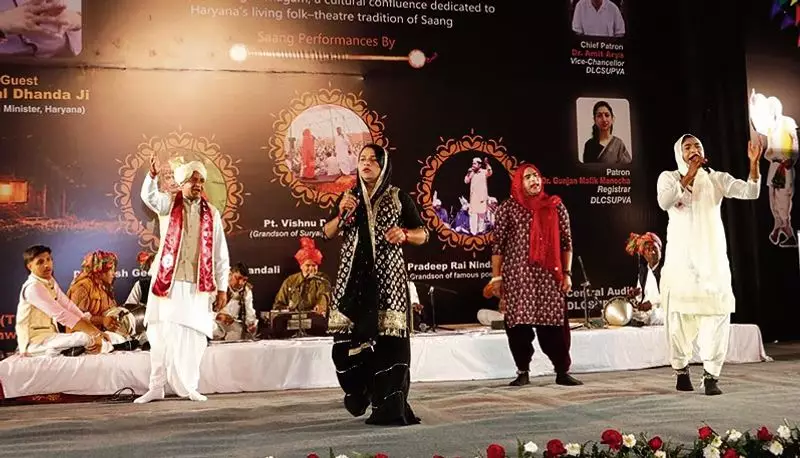
In a vibrant celebration of regional culture, Maharshi Dayanand University in Rohtak recently hosted a cultural event that brought the spotlight to the traditional Haryanvi folk theatre form known as Saang. This performance not only entertained the audience but also served as a powerful reminder of the rich artistic heritage embedded in Haryana's rural traditions.
Reviving Traditional Art Forms in Academic Settings
The event, organized by the university, aimed to bridge the gap between academic learning and cultural preservation. By featuring Saang, a folk art that has been passed down through generations, the institution demonstrated its commitment to fostering an environment where students can engage with and appreciate their local heritage. The performance included elements of music, dance, and dialogue, all integral to Saang, which typically narrates stories from mythology, folklore, or social issues.
Attendees, including students, faculty, and local residents, were treated to a dynamic display of this art form, which is known for its colorful costumes, rhythmic beats, and engaging storytelling. The artists, many of whom are practitioners from nearby villages, showcased their skills with enthusiasm, drawing applause and admiration from the crowd. This initiative highlights how universities can play a pivotal role in keeping traditional arts alive, especially in an era where modern entertainment often overshadows such cultural treasures.

Impact on Community Engagement and Cultural Awareness
The success of the Saang performance at Maharshi Dayanand University underscores the growing interest in reviving and promoting indigenous art forms across India. Such events not only provide a platform for artists but also educate younger generations about their cultural roots, fostering a sense of pride and identity. In Haryana, where Saang has historical significance, this event served as a catalyst for discussions on the importance of preserving intangible cultural heritage.
Looking ahead, the university plans to incorporate more such cultural activities into its annual calendar, potentially including workshops and collaborations with local artists. This approach could inspire other educational institutions in the region to follow suit, ensuring that folk arts like Saang continue to thrive. The event in Rohtak is a testament to how cultural initiatives can enrich campus life and strengthen community bonds, making it a memorable highlight for all involved.