The Divine Role of Animals in Hindu Religion
Animals occupy a profoundly sacred and divine position within Hindu religion, revered as embodiments of spiritual significance and divine connections. According to Hindu beliefs, certain animals, including dogs, crows, and cows, possess the unique ability to perceive the souls of ancestors, serving as mediums to bridge the earthly and spiritual realms. This reverence stems from India's cultural ethos, where all living beings are honored and respected, reflecting a deep-seated tradition of coexistence and veneration.
Iconic Animal Associations in Hindu Deities
From childhood, Hindus are familiar with depictions of deities accompanied by specific animals, each symbolizing profound meanings. For instance, Lord Shiva is often portrayed with a snake coiled around his neck, while Lord Vishnu rests upon Sheshnaga, the cosmic serpent. Bhairav Baba is consistently shown with a dog, and Goddess Durga rides a lion, among other examples. These associations are not merely artistic but rooted in Sanatan dharma, where animals are worshipped as divine entities, embodying hidden spiritual truths and virtues.
Sacred Animals and Their Spiritual Meanings
Here are key divine animals in Hinduism, celebrated for their symbolic roles:

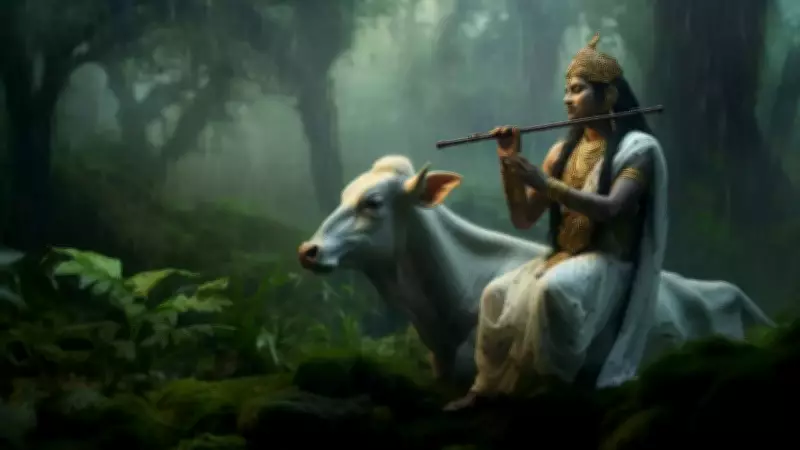
- The Cow – Symbol of Nourishment and Motherhood: The cow is one of the most revered creatures, representing motherhood and nourishment. Often linked with Lord Krishna, who is depicted as a divine cowherd, it is believed that 33 koti deities reside within a cow. Worshipped in households, offering the first chapati to a cow is considered meritorious. Beyond tradition, studies, such as one from New York University and the U.S. Military Academy at West Point, indicate that interacting with cows can reduce anxiety, highlighting its practical benefits. Known as Gau Mata or mother cow, it symbolizes care and sustenance.
- Nandi (The Bull): Nandi, the sacred bull, serves as the vehicle of Lord Shiva, embodying devotion, loyalty, and patience. Commonly seen in Shiva temples, it teaches that power must be guided by wisdom and faith. In the Vedic era, the bull symbolized strength, aggression, masculinity, and fighting prowess, with devotees offering individual worship to Nandi.
- Dog: Associated with Bhairava, a fearsome form of Shiva, the dog named Shvan acts as his mount or vahana. In Hinduism, dogs represent guidance on spiritual paths and serve as protective shields against negative energies. Worshipers of Lord Bhairav often feed dogs to receive blessings, as dogs are believed to guard heavenly abodes from external dangers.
- Lion: The lion, as the mount of Goddess Durga, symbolizes strength, courage, fearlessness, and authority. Riding a lion, Durga exemplifies bravery in adversity, inspiring devotees to face challenges with valor.
- Garuda: Garuda, the vehicle of Lord Vishnu, represents protection, vigilance, and justice. Often depicted defeating serpents, it signifies victory over negativity and dark forces. Garuda is a symbol of dedication, divinity, service, and quickness, prominently featured in Vishnu temples and related shrines.
Mythological Connections and Broader Significance
These animals are integral to Hindu mythology, with stories linking them to various deities and epics. For example, in the Mahabharata, a dog accompanies Yudhishthir to swarga (heaven), while elephants are associated with Lord Ganesha due to his elephant trunk, leading to their worship. Monkeys are connected with Lord Hanuman, emphasizing their divine roles. Hindu scriptures abound with narratives that honor animals, underscoring their sacred status. Gods and goddesses themselves respect animals, granting them special places, which serves as a reminder to avoid harming them or committing sinful acts against these revered beings.