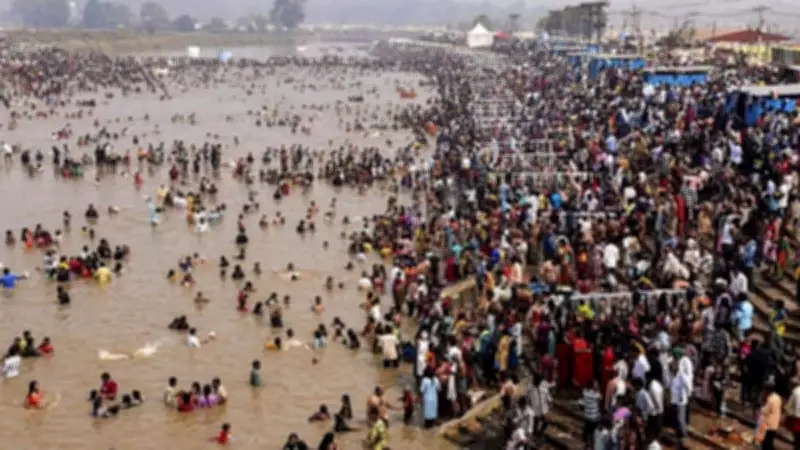
The Sammakka Saralamma Jatara, one of the largest tribal gatherings in India, is currently underway in Telangana with great fervor and traditional splendor. This biennial festival, which holds immense cultural and religious importance for the indigenous communities, has drawn thousands of devotees and visitors to the Medaram region.
Government's Push for National Festival Status
Amid the ongoing celebrations, the Telangana government has renewed its efforts to secure national recognition for the Jatara. Officials have formally urged the Central government to declare it a national festival, citing its historical roots and role in preserving tribal heritage. This move aims to elevate the festival's profile on a pan-India scale and ensure greater support for its organization and preservation.
Historical Background and State Festival Designation
The Sammakka Saralamma Jatara was officially declared a state festival by the government of Telangana back in 1998, a step that acknowledged its significance in the region's cultural fabric. The festival honors the tribal goddesses Sammakka and Saralamma, who are revered as symbols of resistance and protection by local communities.

Rituals and Celebrations Unfold
The current edition of the Jatara commenced with the ceremonial arrival of Saralamma on the sacred 'Medaram Gaddhe' platform, a key ritual that marks the beginning of the festivities. Devotees participated in prayers, offerings, and traditional dances, creating a vibrant atmosphere. The celebrations are set to culminate with Sammakka's Vana Pravesham, or forest entry, a poignant ritual symbolizing her return to the wilderness, which is expected to draw massive crowds.
Authorities have made extensive arrangements to manage the large influx of pilgrims, including enhanced security, medical facilities, and transportation services. The festival not only serves as a religious event but also boosts local tourism and economy, with vendors selling handicrafts, food, and other items.
As the Jatara progresses, stakeholders emphasize its potential for fostering unity and showcasing India's diverse tribal traditions. The push for national recognition underscores a broader trend of celebrating and institutionalizing regional festivals to promote cultural inclusivity and heritage conservation across the country.