

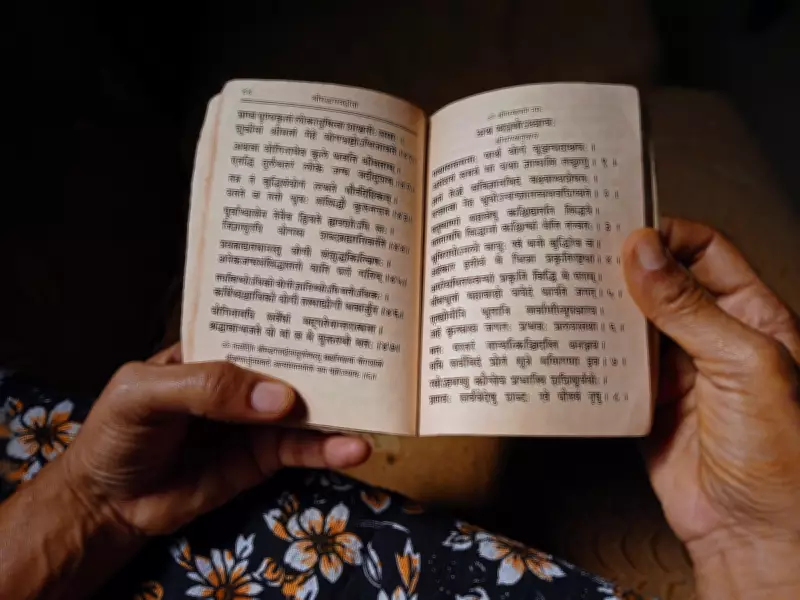
Sanskrit's Modern Revival: From Ancient Language to Contemporary Relevance
Sanskrit stands as one of the world's oldest and most influential languages, occupying a unique position within India's rich cultural and historical tapestry. Officially recognized as one of the twenty-two scheduled languages under the Indian Constitution, Sanskrit holds national-level official status, yet its adoption at the state administrative level has been more measured and deliberate.
State-Level Recognition and Administrative Adoption
Uttarakhand pioneered this movement by granting Sanskrit the status of second official language in 2010, marking a significant milestone in the classical language's modern revival. This groundbreaking decision set a powerful precedent, demonstrating how ancient linguistic heritage could be integrated into contemporary governance frameworks. Nearly a decade later, Himachal Pradesh followed suit in 2019, extending the same official language status to Sanskrit within its administrative systems.
These strategic governmental decisions were specifically designed to popularize Sanskrit learning and preservation, acknowledging the language's profound cultural and religious significance while creating practical pathways for its continued relevance in modern society.

Educational Integration and Institutional Support
Beyond administrative recognition, comprehensive government initiatives at both national and state levels have systematically promoted Sanskrit integration within India's education system. The language is commonly taught as part of school curricula across the country, with the Central Board of Secondary Education offering Sanskrit as a third language option for students typically from Class 5 through Class 8. In many educational institutions, Sanskrit is also available as a second language option for students in higher classes, providing extended learning opportunities.
Organizations like Samskrita Bharati have played a transformative role in popularizing spoken Sanskrit, complementing formal educational efforts with practical language application. As of 2025, the organization reports having trained over ten million people in conversational Sanskrit while preparing more than 135,000 teachers to utilize Sanskrit as a medium of instruction. One particularly innovative initiative involves establishing over 6,000 "Sanskrit-speaking homes" where families consciously use the language for daily communication, effectively reviving Sanskrit as a living, spoken language within domestic environments.
Demographic Patterns and Cultural Affinity
According to the 2011 census data, more than 3.1 million people in India identified Sanskrit as either their first, second, or third language, indicating substantial educational engagement with the classical language. However, only approximately 24,821 individuals reported Sanskrit as their mother tongue, revealing a significant disparity between academic learning and practical, everyday usage. Linguistic experts suggest this variation in first-language speakers may reflect cultural affinity and symbolic identification with Sanskrit's heritage rather than functional fluency, highlighting the complex relationship between language preservation and practical application.
Global Renaissance and Digital Transformation
The Sanskrit revival extends far beyond India's borders, with universities in Germany, the United Kingdom, the United States, China, and numerous other countries now offering Sanskrit studies programs. This international academic interest underscores the language's enduring intellectual and cultural value across global contexts.
In a landmark digital achievement, Sanskrit was added to Google Translate in 2022 after being one of the platform's most requested languages, signaling the classical language's growing relevance in our increasingly digital world. This technological integration represents a crucial bridge between Sanskrit's ancient textual traditions and contemporary communication platforms.

Historical Foundations and Contemporary Movements
The modern Sanskrit revival movement traces its origins to the late nineteenth century, with organizations like the Theosophical Society among the earliest proponents of language revitalization. What began as focused preservation efforts has evolved into a comprehensive program encompassing academic research, cultural initiatives, and practical application, all dedicated to sustaining this linguistic legacy for future generations.
While Sanskrit may not function as a commonly spoken living language in everyday contexts, its sustained presence within India's educational institutions, cultural organizations, and administrative frameworks represents a multifaceted movement to maintain this ancient language's vitality. Supported by dedicated institutions and growing worldwide interest, Sanskrit continues to demonstrate remarkable resilience, connecting India's profound historical heritage with contemporary cultural and intellectual pursuits in our rapidly modernizing world.





