Satuani Festival: A Traditional Harvest Celebration in Eastern India
Satuani, also referred to as Satuaan, is a traditional harvest festival primarily observed in the regions of Bihar, eastern Uttar Pradesh, and parts of Jharkhand. Celebrated annually on April 14, this festival signifies the commencement of the solar new year and the transition into the peak summer season. It is a time-honored event deeply rooted in agrarian traditions, reflecting the simplicity and wisdom of rural life.
The Rituals and Symbolism of Satuani
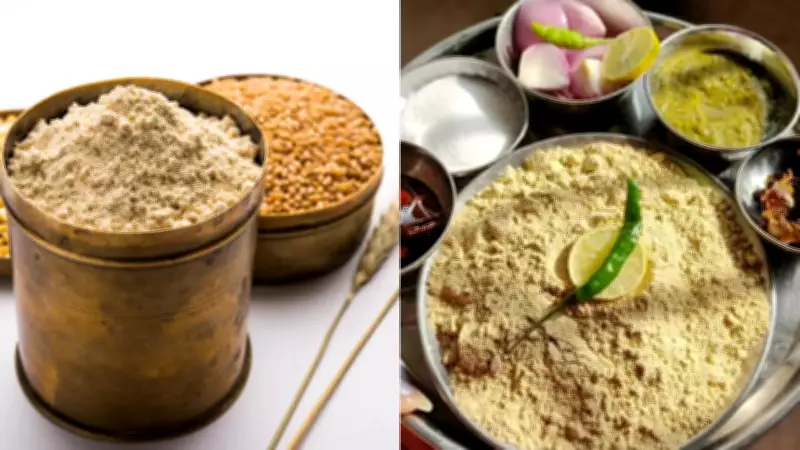
On this auspicious day, communities engage in acts of charity and gratitude by donating essential items to the needy. The donations typically include sattu, a nutritious flour made from roasted grains, along with ambi (raw mango), various grains such as rice, dal, and atta, vegetables like potatoes, jaggery, money, and clothing. This practice symbolizes a profound sense of thankfulness and embodies the fundamental human instinct to assist others, particularly during the harsh summer months when resources can be scarce.
According to local legends, Satuani represents a lifestyle deeply connected to nature and traditional knowledge. Unlike many elaborate festivals, Satuani is celebrated with simplicity and humility, mirroring the agrarian ethos where food is prepared with minimal ingredients yet offers maximum nourishment. It serves as a celebration of regional identity, bringing families together to donate and then prepare communal meals featuring sattu. These gatherings strengthen community bonds and help preserve local heritage, offering a modern-day reminder to slow down and practice mindful eating.

Health Benefits of Sattu During Summer
Sattu is renowned for its nutritional profile, being a rich source of protein, fiber, vitamins, and essential minerals such as calcium, magnesium, and iron. Luke Coutinho, a certified nutritionist, highlights that sattu has a low glycemic index, which helps maintain steady blood glucose levels. This makes it an excellent dietary choice for individuals with diabetes or those seeking stable energy without experiencing sugar spikes.
Research supports that sattu enhances digestion, regulates bowel movements, and reduces issues like gas and acidity. Its effectiveness in addressing digestive problems is particularly notable in hot climates, where it has been traditionally consumed for centuries. Here are five traditional ways to enjoy sattu at home, which can help keep blood glucose levels under control:
- Sattu Sherbat: Combine 4 tablespoons of sattu in a glass with 1/4 cup of plain or masala buttermilk, salt, black pepper to taste, 1/2 teaspoon of chaat masala, 1 teaspoon of lemon juice, and 1 teaspoon of chopped coriander leaves. Stir well and drink.
- Sattu Bharta: Mix 1/2 cup of sattu with 1 chopped onion, 1 finely chopped green chili, 3-4 chopped garlic cloves, 2 tablespoons of lemon juice, and salt and pepper to taste. Add a tempering of mustard oil, cumin seeds, and black mustard seeds. Blend to form a binding consistency and serve with steamed rice, dal, and pickle.
- Sattu Paratha: Prepare a stuffing with 100 grams of sattu, 2 teaspoons of oil, 1 onion, 3-4 garlic cloves, cumin seeds, salt, and pepper. Knead a soft dough using multi-grain or wheat flour. Shape small balls, stuff with 1 1/2 teaspoons of the sattu mixture, roll into parathas, and cook on a tawa with mustard oil or ghee. Serve hot with curd and pickle.
- Litti: This iconic dish involves mixing 1 cup of sattu with salt, black pepper, 2 green chilies, 1 onion, 4-6 garlic cloves, 1 inch of grated ginger, pickle oil, and lemon juice. Knead a wheat flour dough, form small balls, fill with 1 tablespoon of the sattu stuffing, and grill on coal or a gas stove. Serve hot with baingan bharta and a dollop of ghee.
- Sattu Porridge: Combine sattu, ghee, powdered jaggery or sugar, and water in a bowl. Mix until the ingredients bind well and consume fresh for a nourishing treat.
These recipes not only celebrate the culinary heritage of the region but also promote health and wellness during the summer season. Satuani, with its blend of cultural significance and nutritional wisdom, continues to be a vital part of India's diverse festival landscape.