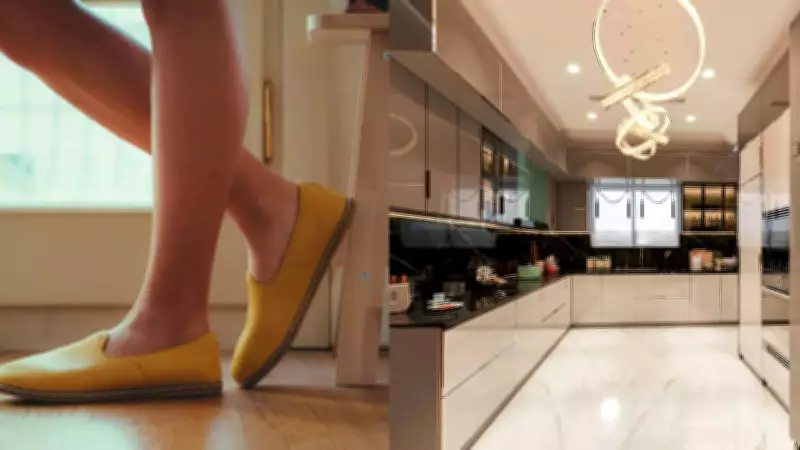
Why Shoes Are Forbidden in Indian Kitchens: Vastu Shastra and Cultural Wisdom
For generations, entering the kitchen with shoes on has been a strict taboo in countless Indian homes. This deeply ingrained norm is not merely a matter of cleanliness but is profoundly rooted in Indian cultural heritage and the ancient principles of Vastu Shastra. Understanding the reasons behind this prohibition reveals insights into spiritual beliefs, health considerations, and traditional wisdom that continue to guide daily life.
The Sacred Status of the Kitchen in Vastu Shastra
According to Vastu Shastra, the kitchen is revered as one of the most sacred spaces within a home. It is governed by the fire element, known as Agni, and is associated with Goddess Annapurna, the deity of food, nourishment, and prosperity. This sacredness means that the kitchen's energy must remain pure and undisturbed to ensure the well-being and harmony of the household.
Carrying Negative External Energies
Vastu Shastra teaches that shoes can absorb chaotic vibrations, dust, and negative energies from the external environment. When worn into the kitchen, these impurities are introduced into the fire-dominated zone, potentially clogging energy streams and obstructing the free flow of positive prana. This disruption is believed to hinder the entry of Lakshmi, the goddess of wealth, thereby affecting the family's prosperity and abundance.

Pollution of the Sacred Space
In Hindu beliefs and Vastu Shastra, the kitchen embodies the presence of Goddess Annapurna, making it a sanctified area. Shoes, which symbolize the earth element and movement, are considered disrespectful when brought into this space, akin to an insult to the deities. Such actions are thought to anger divine energies, potentially leading to digestive issues, family discord, and chronic health problems among residents, as the sacred balance is compromised.
Disruption of Elemental Balance
Kitchens align with the fire element for fostering prosperity, while shoes represent the external earth element, often linked to Saturn's heavy influence. Walking into the kitchen with shoes creates a disharmony between these elements, disturbing the natural balance. This imbalance can invite various life obstacles, such as increased stress, resource shortages, and general hardships, emphasizing the need for purity to ensure smooth energy circulation.
Hygiene and Health Risks
Beyond spiritual concerns, there are practical hygiene and health risks associated with wearing shoes in the kitchen. Street shoes track in germs, chemicals, and allergens directly onto food preparation areas, compromising the cleanliness of this sacred space. Vastu Shastra views this physical contamination as a pathway for ailments, potentially weakening immunity and undermining the prosperity linked to nourishment, highlighting the intersection of tradition and well-being.
Family Conflicts and Emotional Unrest
Introducing shoes into the kitchen can scatter disruptive vibrations, fostering arguments and emotional unrest among family members. As a sacred space that upholds respect and relational harmony, violations of this norm can erode peace, mirroring broader life tensions. Traditional wisdom strongly advocates for removing shoes at the threshold to maintain tranquility and foster a harmonious home environment, reinforcing the importance of this practice in daily life.
This exploration into the prohibition of shoes in Indian kitchens underscores the rich tapestry of cultural and Vastu Shastra principles that continue to influence household norms, blending spiritual, health, and social dimensions into a cohesive tradition.